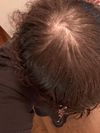
Hair loss discussion involves treatments like Minoxidil, Finasteride, and RU58841. Stemoxydine may be effective, but results may take at least 3 months due to hair cycle.
The user has been using 3mg oral Minoxidil and 1.1mg oral Finasteride for 15 months and plans to switch to 5mg oral Minoxidil, 1.1mg oral Finasteride, and 0.1mg oral Dutasteride. They have also used ketoconazole and salicylic acid shampoo for seborrheic dermatitis and hope to see more hair growth with the increased dosage.
A 21-year-old male used low-dose 5% topical Minoxidil inconsistently for four months, resulting in stopped hair shedding and improved hair density, though the hairline remained unchanged. Users discussed the potential use of finasteride and other treatments, with some suggesting consulting a dermatologist for further advice.
A user shared progress on hair regrowth using 5mg oral minoxidil and 0.5mg oral dutasteride daily, noting small hair growth and no significant side effects except bushier eyebrows. The conversation includes encouragement, personal experiences with hair loss treatments, and discussions on the effectiveness of microneedling.
The user experienced increased self-confidence and interest from women after using 1.25mg finasteride and twice-daily minoxidil foam for six months, despite minor side effects like forgetfulness and slight gynecomastia. The user also noted no additional hair growth elsewhere except for using minoxidil on their mustache.
The user is experiencing hair loss despite using minoxidil and dutasteride consistently since October, with no significant improvement. Suggestions include trying microneedling, switching dutasteride brands, or adding finasteride.
The user experienced severe hair loss after using minoxidil and finasteride, then switched to dutasteride and RU58841 with some success. They are considering trying minoxidil again, possibly with topical tretinoin, despite concerns about shedding.
The user switched from topical minoxidil to oral minoxidil and added RU58841 to their hair loss treatment but hasn't seen improvement after several months, causing frustration. They also mentioned using finasteride and are confused about the lack of results despite oral minoxidil's reported high success rate.
This conversation is about a user's progress with using oral minoxidil 5mg to treat their hair loss, in combination with finasteride. The replies discuss the effectiveness of this treatment and provide additional information on potential methods for obtaining it.
Minoxidil may age skin by slowing collagen synthesis, but using collagen peptides and a basic skincare routine might counteract this. Foam minoxidil could reduce systemic absorption and avoid alcohol-related side effects.
A 33-year-old woman shared her successful hair regrowth journey using topical Minoxidil 5% once daily, resulting in thicker hair and increased confidence. She avoided oral treatments like finasteride due to potential side effects and focused on consistent application of Minoxidil.
A 26-year-old is using minoxidil 5% and finasteride 0.1% topically for hair growth, with noticeable improvement in two months, especially on the hairline. They also use a derma-stamp every 15 days and report minimal side effects.
Dutasteride and minoxidil initially stopped hair loss, but a minoxidil allergy led to hair thinning. Alternatives suggested include oral minoxidil, microneedling, and ketoconazole shampoo while continuing dutasteride.
A 24-year-old woman with thinning hair is using Minoxidil, saw palmetto, biotin, rosemary oil, and ketoconazole. She seeks advice on whether to try finasteride or dutasteride, the effects of Minoxidil shedding, and the significance of her hair follicle condition.
A 25-year-old is using vinpocetine to enhance the absorption of topical Minoxidil for hair loss. They also use a hair tonic and supplement with Glycine, Taurine, Creatine, and Citrulline.
A 29-year-old shared a 6-month update on using 5% topical minoxidil and occasional dermarolling, reporting improved hair density and a fuller crown. They are considering adding finasteride to their routine but are concerned about side effects.
The conversation discusses the possibility and safety of adding minoxidil sulfate to mesotherapy with dutasteride. Users are inquiring if anyone has tried this combination.
The user is using 0.5mg dutasteride daily and 3mg oral minoxidil daily for hair loss, but hasn't seen improvements after five months. They report miniaturization and thinning, especially at the hairline and crown, and are advised to wait at least a year for better results.
The user is experiencing diffuse thinning despite using oral minoxidil (3mg), dutasteride (0.5mg), microneedling, scalp massaging, and vitamins. Suggestions include increasing the minoxidil dose, checking for scalp conditions, and continuing current treatments.
A 24-year-old shares progress on hair regrowth after 3 months using 2.5mg oral minoxidil, 0.5mg dutasteride, and scalp injections of dutasteride, minoxidil, and vitamins every two weeks. They are uncertain if the improvement is due to actual regrowth or just longer hair.
The user is managing hair loss with oral finasteride, recently switching to dutasteride, and topical minoxidil, but faces challenges due to seborrheic dermatitis. They seek advice on effective regrowth methods that don't worsen their condition, with suggestions including various shampoos like Vichy Dercos and ketoconazole.
A 28-year-old male shares progress on hair loss treatment using 0.5mg dutasteride and 5mg minoxidil, experiencing initial shedding but encouraged by community support. He also uses ketoconazole occasionally based on scalp oiliness.
A 26-year-old male with grade 3 hair loss is using 2.5 mg oral minoxidil, 1 mg finasteride, 5% minoxidil, ketoconazole shampoo, and kLM d3. He plans to post progress pictures every 6 weeks and is seeking suggestions.
The user is treating alopecia areata with 1.25mg oral minoxidil daily and topical mometasone furoate, considering increasing the dose or adding finasteride, though finasteride is not typically used for this condition. A gluten-free diet is suggested, and alternatives like Olumiant are mentioned.
Redensyl improved hair thickness slightly with no side effects, but no regrowth. Minoxidil provided significant regrowth but caused facial side effects like puffiness.
Choosing between two hair loss treatments, with a preference for a higher concentration of RU58841 and 5% minoxidil, avoiding oils like castor and argan that may hinder absorption.
The user is allergic to minoxidil and experienced severe itching and redness. They are considering alternatives like finasteride, dutasteride, and dermarolling for hair loss treatment.
A 24-year-old man is experiencing hair shedding after starting Minoxidil and Creatine, and is concerned about accelerated hair loss. A user suggests that Creatine does not increase DHT levels and recommends considering oral Dutasteride, low-dose oral Minoxidil, and Ciclopirox Shampoo, advising consultation with a doctor.
The conversation discusses switching from topical to oral Minoxidil for hair loss treatment, with the expectation of better results due to systemic delivery. The user has been using Finasteride, topical Minoxidil, and dermastamping, maintaining hair but seeking more regrowth.
The conversation is about alternatives to minoxidil for hair growth, as the original poster experienced chest tightness from using it. They are currently using finasteride and considering options like rosemary oil, pumpkin seed oil, and other topical treatments, but acknowledge that minoxidil and finasteride are the most scientifically supported treatments.