Oral minoxidil can cause severe side effects, including heart issues, even at low doses. Users suggest starting with a lower dose or using topical treatments to minimize risks.
A 20-year-old has been using topical minoxidil and finasteride for 6 months but sees little hair growth, especially on the temples. They are considering switching to oral dutasteride and minoxidil due to lack of progress.
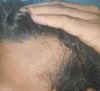
A user shared progress pictures after using 1 mg finasteride and topical minoxidil for six months, hoping for further improvement by the one-year mark. The user reported no side effects and uses Head & Shoulders shampoo.
A 28 year old using a hair loss prevention protocol to restore thinning hair, which includes finasteride, dutasteride, minoxidil, stemoxydine, alopecin, nizoral shampoo and microneedling; the user is now adding pyrilutamide solution to the regimen with the hope of improving their results. RU58841 was also ordered but not yet used.
User discusses using trichosol as a vehicle for hair loss treatments like finasteride and minoxidil. They ask about others' experiences and the stability of the solutions.
The conversation discusses hair loss treatments, specifically using Minoxidil, microneedling, and finasteride. The user is concerned about worsening hair loss and is advised to consider finasteride.
A 25-year-old male is experiencing advanced hair loss and is using topical and oral minoxidil, topical finasteride, and vitamin D3, but has not seen significant regrowth. He is considering switching treatments, including oral dutasteride, topical spironolactone, and possibly a scalp biopsy to better understand his condition.
The user tried finasteride, topical minoxidil, dutasteride, and oral minoxidil for hair loss. After accepting their fate and stopping treatment, they noticed significant regrowth after using oral minoxidil. They consider it a success.
A 29-year-old male shared his hair loss journey, using oral finasteride, topical minoxidil, derma rolling, and recently switching to dutasteride, oral minoxidil, and ketoconazole shampoo. He observed significant regrowth but progress slowed, hoping new treatments will enhance results.
A 24-year-old has been using finasteride, minoxidil, and ketoconazole shampoo for 9 months to address hair loss, reporting slow but noticeable progress with some regrowth. They also occasionally used a dermastamp and shared photos to show their progress.
The user has been using minoxidil 5% and finasteride 0.1% topically, along with oral minoxidil and finasteride, for three months without major improvement in hair loss. They are also taking vitamin D3, B12, iron, and zinc supplements.
The user is considering adding oral minoxidil to their current hair loss treatment, which includes dutasteride and occasional finasteride, due to concerns about hair thinning and potential shedding. They are unsure if starting both treatments simultaneously could worsen shedding or if oral minoxidil might be beneficial.
The conversation is about comparing the effectiveness of adenosine and minoxidil for treating hair loss. People are sharing their thoughts and experiences on which is better.
The user shared progress pictures of their hair after using Minoxidil and recently adding finasteride to their daily treatment. They are seeking feedback on their progress.
The user has been using finasteride (1.25 mg oral) and minoxidil (5% topical) for 14 months, with recent addition of ketoconazole shampoo, and is experiencing ongoing hair shedding. Despite shedding, there is noticeable hair regrowth, though density remains a concern.
The conversation discusses hair loss progress over 9 months using Dutasteride and oral Minoxidil (2.5mg). Specific treatments mentioned are Dutasteride and oral Minoxidil.
User asks how to manage sex life while using topical minoxidil for hair loss. Responses suggest various strategies, including using finasteride, applying minoxidil before or after sex, and avoiding certain positions.
The conversation is about a user concerned about a prescribed 5 mL daily dose of 5% minoxidil for seborrheic dermatitis and hair thinning, which seems excessive compared to the typical 2 mL recommendation. The user is advised to consult their dermatologist and consider additional treatments like ketoconazole and CBD+MCT.
The user experienced hair regrowth with finasteride and minoxidil but faced libido issues, leading them to try alternatives like novamaine and a low-dose finasteride/minoxidil solution, which still caused side effects. They are considering reducing the solution's volume, stopping finasteride, or using minoxidil alone, while others suggest alternatives like dutasteride or clascoterone.
A 26-year-old male with early hair thinning is using finasteride, topical minoxidil, and supplements for deficiencies in iron, B12, and vitamin D3. He is considering adding oral minoxidil to his treatment plan.
A 20-year-old is using minoxidil, finasteride, tretinoin cream, and microneedling for hair loss but sees no improvement in the crown area and is considering a hair transplant. Users advise patience with finasteride and suggest trying a low-dose oral minoxidil if no progress is seen.
Minoxidil and spironolactone are used for hair regrowth, with visible progress noted. Spironolactone is discussed as a treatment option, particularly in the context of transitioning, with concerns about its effects on men.
The user experienced hair regrowth using a topical solution containing 5% minoxidil and 0.1% finasteride, despite an initial shedding phase. They reported no side effects and noted significant improvement in hair density, particularly around the crown area.
The user is using 0.5mg Dutasteride, 5mg oral Minoxidil, and topical Minoxidil daily for hair loss treatment. They report increased body hair and some improvement in hairline density and length.
Finasteride and minoxidil are effectively regrowing hair, with some side effects like decreased libido. Dermarolling is also mentioned as beneficial when combined with minoxidil.
A user shared their 8-month progress using dutasteride 0.5 mg and oral minoxidil 2.5 mg for hair loss, expressing disappointment with the results and considering increasing the dosage. Other users advised patience, suggesting that improvements can continue over time, and recommended consulting a dermatologist before making changes.
A user shared their 3-month progress using oral minoxidil, dutasteride, and topical minoxidil for hair regrowth. Replies suggest increasing dutasteride dosage and note visible progress likely due to minoxidil.
The user used minoxidil 5% and finasteride 0.1% for six months, along with a dermaroller and Nizoral shampoo, experiencing only dry scalp as a side effect. They are pleased with the results.
The conversation discusses using a combination of DHT gel, dutasteride, pyrilutamide, and minoxidil to promote beard growth while minimizing hair loss. Users suggest consulting a doctor and considering genetic factors before proceeding.
The regimen includes using a diluted 5.5% Minoxidil / 0.025% Finasteride solution daily, microneedling weekly, and ketoconazole shampoo twice a week to minimize systemic exposure while maximizing scalp DHT reduction. The goal is to achieve hair regrowth with minimal side effects.