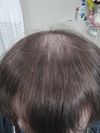
The user plans to stop using finasteride due to side effects but will continue using minoxidil. They are concerned about hair regrowth without finasteride.
The user experienced mental side effects from oral finasteride, such as brain fog and low mood, and switched to topical finasteride combined with minoxidil. They are monitoring mental clarity and hair progress after stopping oral finasteride.
The user is experiencing hair loss with symptoms of receding hairline, extreme shedding, and low density, possibly due to androgenic alopecia, diffuse thinning, retrograde alopecia, or telogen effluvium. They have used minoxidil and noticed changes in shedding patterns related to different water qualities and seborrheic dermatitis.
Finasteride may lower allopregnanolone levels, potentially affecting mood, but many users report improved mental health due to reduced hair loss. Experiences with finasteride and dutasteride vary, with some experiencing side effects and others finding them beneficial for hair retention and overall happiness.
Diffuse thinning is worse than a receding hairline as it affects the entire scalp, complicating styling and hair transplants. Treatments like finasteride, minoxidil, dutasteride, and RU58841 are mentioned, with some users noting improved hair density.
The user experienced increased hair shedding after using RU58841 for two months, but found relief from scalp itchiness. Other users shared similar shedding experiences and discussed side effects like joint pain, while also mentioning the use of finasteride and minoxidil.
A 28-year-old male has been using finasteride for 3 years to stabilize hair loss but is now experiencing increased hair shedding and considering switching to dutasteride. Some users suggest it might be a temporary shedding phase, while others discuss potential effects of other factors like creatine.
Hair regrowth using estradiol, spironolactone, minoxidil, and finasteride, showing significant improvement over four years. HRT is not advised for cis men solely for hair loss due to feminizing effects.
The user is experimenting with a zinc sulfate and B6 topical solution called "Zix" for hair loss, alongside using a zinc oxide scalp mask and low-level laser therapy (LLLT). They report minimal hair loss after three months of use and are seeking feedback from others who have tried similar treatments.
A user accidentally ingested minoxidil instead of melatonin, leading to a humorous discussion about similar mix-ups and the effects of minoxidil. The user now stores the bottles separately to avoid future mistakes.
The user experienced positive hair growth results after a year of using finasteride, initially taking 1mg daily but switching to a Monday, Wednesday, Friday schedule due to side effects like erectile dysfunction and watery semen. The side effects improved after switching to the reduced schedule, with normal erections returning within a month.
A 24-year-old male is experiencing hair thinning and feels hopeless, considering treatments like finasteride and minoxidil but is concerned they might not work. He is also contemplating a dermatologist visit and is unable to afford a hair transplant.
Stopping minoxidil will likely result in losing any gains made from its use, potentially returning hair to its pre-treatment state or worse due to ongoing hair loss. The user plans to continue using finasteride and undergo a hair transplant, hoping it will compensate for any loss from stopping minoxidil.
The conversation discusses using RU58841 mixed with topical minoxidil for hair loss, noting its chemical instability and storage challenges. A user shares their experience using RU58841 with ethanol and propylene glycol, mentioning no significant results yet.
The user shared progress pictures showing hair improvement over four months using 1 mg finasteride and 5 mg minoxidil daily. They reported no significant side effects and plan to reduce the minoxidil dose once satisfied with the results.
The conversation discusses the failure of Phase 3 trials for the hair loss treatment KX-826, with no significant difference found between the drug and placebo. Some users express disappointment and skepticism, while others discuss alternative treatments like Minoxidil, finasteride, and RU58841.
A user's progress with their hair loss treatment, which includes finasteride and nizoral, as well as the potential for using minoxidil; other users providing advice based on their own experiences; and others discussing how buzz cuts can make diffuse thinning look worse than it is.
The user experienced mental side effects from both oral and topical finasteride and is considering trying dutasteride or liposomal topical finasteride. They are concerned about potential worsening of hair loss if they quit dutasteride.
The user has been using a hair solution with 0.3% finasteride and 5% minoxidil, along with microneedling, but is experiencing more thinning on one side. Suggestions include checking application techniques and ensuring microneedling is not overdone.
The user started using topical finasteride 0.025% and minoxidil 5% for hair loss but is experiencing increased shedding after two months without signs of regrowth. They are seeking advice on when to expect results or consider switching treatments.
The conversation is about whether stopping Redensyl, unlike Minoxidil, allows you to maintain hair growth benefits. The user is considering Redensyl as an alternative to Minoxidil due to concerns about hair loss upon cessation of Minoxidil.
A user is considering a hair loss treatment lotion containing minoxidil, adenosine, caffeine, melatonin, and azelaic acid, questioning the interaction between caffeine and adenosine receptors. Another user suggests adding a topical anti-DHT ingredient like spironolactone, noting it should not be taken orally by men.
The user experienced side effects like shallow breathing, loss of libido, and erectile issues after using topical finasteride with minoxidil for hair loss. They are considering whether to continue the treatment despite these side effects.
A 31-year-old experiencing male pattern hair loss is considering options to manage it before their wedding, including continuing oral finasteride despite dizziness, switching to topical finasteride, adding minoxidil, or getting a hair transplant. They are advised that switching to topical treatments might reduce dizziness and that a hair transplant should be considered once hair loss stabilizes.
The user switched from finasteride and topical minoxidil to dutasteride and oral minoxidil due to side effects but is experiencing further hair recession. They plan to double the dosage, despite mixed feedback on the effectiveness and potential side effects of the treatments.
User experienced 6 months progress using dut 0.5 daily and oral Minoxidil 5mg daily, with some side effects. Others congratulated and shared similar experiences, giving hope.
A 19-year-old male has been losing hair since 16-17 and feels more depressed after 6 months of using topical minoxidil and finasteride, which made his hair dry and greasy. Another user suggested switching to oral finasteride and provided tips for using topical minoxidil to reduce greasiness.