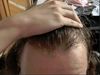
Filtered shower heads may improve scalp and hair health but do not affect male pattern baldness (MPB). Genetics and factors like DHT and scalp tension are more significant in hair loss.
A 23-year-old man experiencing hair thinning and a receding hairline is advised to consider treatments like finasteride and minoxidil. Shorter haircuts, such as a buzz cut, may help hair appear thicker, and wearing headphones is unlikely to significantly impact hair loss.
The struggles of hair loss at a young age and available treatments, such as medication (Finasteride, Minoxidil, Dutasteride, Derma Rolling) and potential options for hair systems or cloning in Japan. People discussed their own experiences with trying to cope with the emotional aspects of this condition.
Finasteride is effective for DHT/AR-driven hair loss but not for chromosome 20-driven cases, where treatments like minoxidil, prostaglandin analogs, and low-level laser therapy may be more beneficial. Genetic testing can help determine the underlying cause of hair loss to tailor treatment effectively.
Chinese researchers have successfully created hair follicles in vitro, potentially offering unlimited hair for transplantation and a cure for hair loss. They plan to test these follicles in vivo on human scalps.
The user is experiencing continued hair loss despite using finasteride, dutasteride, and minoxidil, and is advised to improve diet, check for deficiencies, and consider other treatments like microneedling. Suggestions include sticking with the current regimen, considering a hair transplant, or accepting hair loss and shaving.
The user is experiencing hair thinning at the front of the scalp and is seeking advice on regrowing long curly hair. They are considering treatments like Minoxidil, finasteride, and RU58841 to prioritize hair regrowth.
The post discusses a 21-year-old male's significant hair regrowth after experiencing shedding periods during an 11-month treatment with finasteride, minoxidil, ketoconazole, biotin, and dermaroller. The conversation encourages persistence with the treatment despite shedding phases, as hair tends to grow back thicker and longer.
The conversation is about hair loss, likely androgenetic alopecia, with recommendations to consult a doctor and consider treatments like finasteride and minoxidil. The user is advised to check for vitamin deficiencies and consider topical minoxidil and oral finasteride.
PP405, a topical treatment, shows promise for hair growth by activating inactive follicles, with 66% of participants experiencing positive results. The treatment is well-tolerated and may proceed directly to Phase 3 trials, offering a potential alternative to minoxidil and finasteride.
Minoxidil can cause scalp itchiness, often due to propylene glycol, and users suggest alternatives like foam formulations without PG, using moisturizing oils, or reducing application frequency. Some recommend ketoconazole or zinc pyrithione shampoos to help with inflammation and itchiness.
A 30-year-old male, 19 days post-hair transplant, is experiencing normal shedding and is concerned about hair loss. He is taking Dutasteride and Minoxidil tablets daily and is advised to trust the process as shedding is a typical phase.
A 23-year-old achieved significant hairline regrowth using minoxidil, saw palmetto, collagen peptides, biotin, omega-3, iron, ketoconazole shampoo, and scalp care techniques, without finasteride or dutasteride. The user attributes success to this combination but is unsure which element is most effective.
The user is experiencing increased hair thinning and shedding despite using oral dutasteride, oral minoxidil, topical dutasteride, and ketoconazole shampoo. Many recommend considering a hair transplant or embracing baldness, as current treatments seem ineffective.
The conversation discusses concerns about getting a buzz cut years after a FUE hair transplant due to an unnatural look and thinning hair. Suggestions include trying a buzz cut and considering scalp micropigmentation (SMP) as an option.
The user shared positive progress in hair regrowth using dutasteride, topical minoxidil, and Keeps shampoo, with a unique minoxidil application schedule and glycolic acid exfoliation to maintain scalp health. They reported no side effects from dutasteride and are pleased with the results.
A 21-year-old experiencing hair loss was prescribed two shampoos and hair vitamins by a dermatologist who suggested seborrheic dermatitis as the cause. However, users in the conversation suggested the hair loss could be male pattern baldness (MPB), recommending monitoring the situation and considering finasteride as a treatment.
The post discusses a hair loss treatment regimen using saw palmetto, pumpkin seed oil extract, EGCG (green tea) extract, grape seed oil extract, rosemary oil extract, and Zix. The user plans to use these DHT-blockers and 5AR inhibitors for six months and report the results.
Stopping finasteride and dutasteride led to significant hair shedding, but restarting finasteride may help regain previous hair thickness. The shedding is likely temporary and may stabilize in a few months.
A user made a 70/30 ethanol/propylene glycol topical finasteride solution but noticed chunks at the bottom. The discussion focuses on this issue with the DIY hair loss treatment.
Finasteride stopped scalp itching and improved hair health, likely due to reduced DHT. Users discussed the relationship between DHT, itching, and hair loss, with some mentioning minoxidil and antifungal treatments like ketoconazole.
Discontinuing Minoxidil typically returns hair to baseline, but some believe it may go below baseline temporarily. Continuing finasteride or dutasteride is recommended.
A user with diffuse thinning alopecia uses a custom full cap wig for an active lifestyle, costing $450 and lasting about 10 months. They share their positive experience with the wig as an alternative for those for whom treatments like Minoxidil, finasteride, or RU58841 don't work.
The conclusion of the conversation is that the user has decided to embrace their hair loss and has buzzed their head. They plan to continue their current hair loss treatments until they run out of stock. They also mention having dandruff and will continue medication for that.
Shedding after a break from minoxidil or RU58841 means hair falls out or becomes thinner and weaker quickly before falling. The discussion clarifies the nature of hair shedding with these treatments.
The user experienced severe scalp itching after using RU58841 and ketoconazole shampoo, despite trying moisturizing treatments. They suspect the issue is related to the propylene glycol in the vehicle and are seeking alternatives.