Dutasteride is often more effective than finasteride for blocking DHT, but results vary and some may experience side effects. Combining minoxidil with either medication can improve hair regrowth, but switching doesn't guarantee better results for everyone.
A user has been using Stemoxydine (Kerastase Cure Densifique) along with finasteride, rogaine 5% foam, nizoral, and revian red lllt for hair loss but needs a new Stemoxydine product since Kerastase discontinued theirs. They are seeking recommendations for a similar alternative.
Dutasteride users report mixed results, with some experiencing shedding and others seeing no improvement or hair regrowth. Many users also discuss using finasteride and minoxidil, with some preferring topical treatments for better results.
Dutasteride capsules were exposed to heat and humidity, causing them to soften, and the user considered replacing them with new ones from a local pharmacy. Suggestions included alternating between old and new capsules, storing them properly, and using them topically with Minoxidil, though the user decided to wait and see the effects of Dutasteride first.
A user wants to make a solution for RU58841 and finasteride powder using only glycerin and asks if ethanol is necessary. They are seeking advice on whether glycerin alone is sufficient.
The user stopped oral minoxidil due to side effects and is now using dutasteride mesotherapy and plans to start oral dutasteride. They are concerned about potential hair shedding and wonder if dutasteride alone will be effective.
The Derma Harmony Sulfur/Salicylic acid soap bar shampoo caused significant hair shedding, oily scalp, and cystic acne. The user experienced better results with rosemary shampoo.
A user in their early 20s is concerned about minor hair thinning and is considering a hair loss regimen involving PRP sessions, mesotherapy with dutasteride injections, and low-dose finasteride. They dislike minoxidil due to its greasiness and prefer a routine that is easy to maintain.
The user is using finasteride 1mg every other day and seeks a topical solution excluding minoxidil. They are considering various combinations of ingredients like finasteride, dutasteride, and tofacitinib, with options for nourishing oils and other additives.
Dutasteride may have fewer side effects than finasteride, with some users experiencing better hair maintenance. Experiences vary, with some preferring dutasteride for fewer side effects, while others see no significant hair improvement.
The user is experiencing diffuse androgenic alopecia and is trying various treatments, including 5mg finasteride, loniten, and Formula 82D, which contains dutasteride, a steroid, and tretinoin. They report potential regrowth with Formula 82D, despite previous treatments being ineffective.
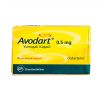
The conversation discusses preparing a topical dutasteride solution for hair loss, with mentions of using alcohol, propylene glycol, and Avodart. Users also discuss the concentration of dutasteride and compare it to finasteride and minoxidil treatments.
The user switched from finasteride to 2.5 mg dutasteride daily and added 1% pyrilutamide to address persistent scalp itch, but the itch remains. They also use 2% ketoconazole and 2.5% selenium sulfide shampoo for temporary relief.
A 17-year-old is looking for alternatives to finasteride for DHT control to preserve hair, considering ketoconazole shampoo for its potential to inhibit 5AR and also thinking about using caffeine-containing shampoos like alpecin or watermans.
A user discusses the potential of caffeine and DMG in shampoo for treating hair loss, citing a pending patent and personal plans to test it. They find it more convenient than using minoxidil, tretinoin, and microneedling.
The conversation discusses using topical dutasteride as an alternative to oral finasteride to prevent hair shedding caused by creatine supplementation. Users share experiences with finasteride, dutasteride, and creatine, noting potential side effects and effectiveness concerns with topical treatments.
The conversation discusses making topical finasteride at home, questioning the necessity of removing the pill's coating before use. Users suggest that the coating isn't harmful, and finasteride dissolves in ethanol, with some recommending filtering out the coating and fillers.
The conversation is about a user making a homemade topical dutasteride solution to use alongside testosterone replacement therapy (TRT) and oral dutasteride. The user aims to reduce DHT locally at the testosterone injection site and on the scalp.
The conversation discusses hair loss treatments, specifically Dutasteride, Minoxidil, RU58841, and derma pen use over six months. One user mentions RU58841 is effective but personally wouldn't use it.
Topical dutasteride is suggested as a low side-effect treatment for hair loss, with a proposed dose of 0.025% 1ml/day. It is considered better than finasteride due to its even inhibition of DHT isoforms and lower systemic absorption.
The conversation discusses the effectiveness of Dutasteride (DUT) and Finasteride (FIN) for hair loss. Users share varied experiences, with some finding DUT more effective and others experiencing side effects or no change, highlighting that individual responses can vary.
The user is considering starting dutasteride (DUT) 0.5mg for hair loss due to lack of access to finasteride and is concerned about potential side effects. They seek guidance on whether to begin this treatment.
Dutasteride significantly reduces scalp DHT levels and can save hair, though shedding is part of the process. Some users report success with dutasteride, while others struggle despite using it along with finasteride and oral minoxidil.
Alcohol-based minoxidil absorbs better but can cause irritation; non-alcohol-based is gentler. Topical dutasteride shows promise but needs more research; low-dose oral minoxidil (0.25 mg/day) is effective with fewer side effects. Ingredients like Procapil, Redensyl, caffeine, and Anagain in shampoos have limited evidence; ketoconazole shampoo can help when used 2-3 times a week with other treatments.
Adding RU58841 to Dutasteride treatment helped reduce hair shedding significantly for several users. Some reported no change with RU58841, while others experienced a dramatic decrease in shedding and increased hair density.
The user has been mixing finasteride with stemoxydine for hair loss and is considering switching to a less expensive product with a different ingredient list. They are questioning if the new product's higher water content compared to alcohol will affect the finasteride's solubility.