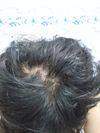
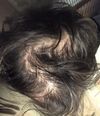
The conversation discusses hair loss treatments, specifically dutasteride, oral minoxidil, and microneedling. Users inquire about side effects, brands, and suggest using topical minoxidil.
A user shared their hair loss experience and treatment routine, which includes using Minoxidil (5% Rogaine foam) and Dutasteride 0.5, along with various supplements and natural oils. They reported positive results and emphasized the importance of liver health and thyroid function, despite skepticism from others about the effectiveness of supplements.
Topical Dutasteride 0.05% twice a week and Dutasteride Mesotherapy 0.01% once a week showed noticeable improvement in hair loss over six months without side effects. The user plans to add Minoxidil tablets 2.5mg daily to their treatment.
The user noticed increased hair fullness after using a minoxidil and finasteride oral capsule but is unsure if the 1.25 mg minoxidil dose is sufficient. They are considering switching to a higher dose and are waiting for a dermatologist's advice.
The conversation discusses a hair loss treatment regimen that includes a topical spray with finasteride and minoxidil, tretinoin, and using a Derminator (microneedling device) at 1.25mm depth every 5-6 days. The user reports positive results after 90 days and plans to continue the treatment, with others commenting on the process and potential outcomes.
The user has been using Minoxidil and Finasteride since late 2019 with good results but is experiencing a dry, flaky scalp and shedding hairs. They also use Nizoral, biotin, zinc, magnesium, and collagen supplements, and their dermatologist prescribed fluocinolone acetonide to reduce flaking.
The user is using 1mg oral finasteride daily, topical minoxidil on the hairline, a dermaroller weekly, Alpecin Caffeine shampoo daily, and ketoconazole shampoo weekly. The hairline appears to be improving after two months.
The user shared progress pictures after 8 months of using oral minoxidil, initially finasteride, and then switching to dutasteride 3 times a week. They experienced some shedding but noticed healthier hair and are considering increasing the dutasteride dosage.
A user experienced heart palpitations and breathing issues while using oral finasteride and minoxidil for hair loss and plans to switch to generic finasteride and topical minoxidil. They also use Nizoral shampoo and are considering a moisturizing shampoo due to dryness and itchiness.
A 51-year-old man uses 1mg oral finasteride daily, 5% topical minoxidil twice daily, dermarolling, and Nizoral twice a week for hair regrowth. He shows significant progress after two months and is happy with the improvement.
User Crazy-Signature930 shares progress on oral minoxidil for eyelashes and eyebrows. Others comment on the impressive results and ask about side effects and duration of use.
Oral minoxidil has greatly improved eyelash growth, prompting compliments and questions about mascara use. The user has been taking 2.5mg of oral minoxidil for three months and is also using finasteride.
User has maintained hairline with minoxidil for 8 years but now seeks to add topical finasteride due to increased hair loss. They request advice on making a homemade finasteride solution, including ingredient recommendations and optimal percentages for ethanol and glycerin.
The conversation is about concerns over the authenticity of oral minoxidil for hair loss treatment, with fears it might contain finasteride despite labeling. Users reassure that if it states minoxidil only, it should be trusted, and mention that Indian drugs are generally okay.
A 28-year-old user shared their positive experience with hair loss treatment using 1mg oral finasteride daily, topical minoxidil nightly, and weekly dermapen sessions. They reported increased confidence despite minor side effects like dandruff and gray hair.
The conversation discusses a user's 6-month progress in treating hair loss using finasteride, minoxidil spray, DHT shampoo (Spartan), and dermarolling. The user shares their experience and others inquire about the DHT shampoo's function.
A user reported significant hair improvement using oral minoxidil, Rogaine 5%, and spironolactone but experienced worsening PMS. They seek advice on managing the PMS symptoms.
The user is using topical Minoxidil 5% and Finasteride 0.1% for hair loss and is concerned about potential side effects of oral treatments due to a history of depression and testosterone replacement therapy. Other users suggest that oral Finasteride may be more effective, but results typically take several months to a year to become noticeable.
A 31-year-old male has been using oral finasteride (1.2mg) and minoxidil (3mg) for 9 months and is considering adding dutasteride to his regimen. Users suggest there is progress, but some recommend trying dutasteride for more aggressive treatment.
A user shared their 4-month progress using oral Minoxidil (3mg) and Finasteride (1.1mg) with a 0.5mm derma roller twice a week, noting visible improvement. Others congratulated and encouraged them to continue the treatment.
The user reported significant improvement in hair thickness and color in the crown area after 3 months on Dutasteride 2.5 mg and oral Minoxidil 5 mg, with temporary side effects that resolved. They switched from Finasteride to Dutasteride due to lack of results with the former.
The conversation discusses the use of topical finasteride for hair loss, with the user considering whether oral finasteride might be more effective in reducing DHT levels. Other users suggest alternatives like dutasteride, RU58841, saw palmetto, and a combination of Redensyl, Procapil, and Capixyl, while debating the effectiveness and side effects of these treatments.
The conversation discusses using both oral and topical finasteride, along with minoxidil, for hair loss treatment. The user reports progress with finasteride and considers switching to dutasteride for potentially better results.
A user is experiencing hair regrowth after using oral finasteride, topical minoxidil, biotin, multivitamins, vitamin D, and dutasteride. They also use ketoconazole shampoo and Revita density shampoo to manage flakes and improve hair thickness.
A user from India discusses using a topical solution containing Minoxidil (50mg) and Finasteride (1mg) twice a day for thinning hair and Norwood 2/3. The dermatologist recommended it for maintenance with slim chances of regrowth, and the user seeks advice on its use.
A user is using a topical treatment called Formula 82f, which contains finasteride, minoxidil, and a steroid, along with Ketoconazole shampoo for hair loss. They are considering whether to switch to oral medication for better results.
The user shared progress after 11 months of using 2.5 mg oral Minoxidil and 0.5 mg Dutasteride for hair loss, expressing satisfaction but considering a future hair transplant. Other users suggested additional treatments like Latanoprost and debated the effectiveness of hair systems versus medication, with some recommending a buzz cut or hair transplant for better results.
Apply minoxidil at least 1-2 hours before bed to ensure it dries and doesn't transfer to the pillow. Foam dries faster than liquid, and using a satin beanie after drying can help prevent transfer.
A user is seeking a pharmacy to compound a topical solution containing Minoxidil, Finasteride, Alfatradiol, Melatonin, Latanoprost, and either RU58841 or Pyrilutamide. They prefer a professional compounding lab over DIY methods.
Topical finasteride in a liposomal formulation reduces systemic absorption compared to ethanol solutions. The user is seeking sources for such products, noting that popular options like morr-f are not liposomal.