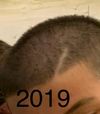
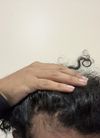
The user is using minoxidil, finasteride, dutasteride, and clobetasol, along with needling, to combat hair loss. They are considering stopping treatment if no improvement is seen.
The user applies a topical solution containing minoxidil, finasteride, dutasteride, retinoic acid, and hydrocortisone to address scalp inflammation and is considering adding cetirizine to the mix. They are calculating the correct amount of cetirizine to add to their formula and have paused this approach to retry oral minoxidil.
The conversation discusses finasteride for hair loss, especially among those with a history of depression. Users shared mixed experiences, with some reporting no issues and others experiencing worsened depression.
An 18-year-old experiencing aggressive hair loss is considering whether to obtain a finasteride prescription through an online consult to save money instead of visiting a dermatologist. The user is seeking advice on the cost-effectiveness of these options.
The conversation discusses hair loss treatments, including scalp massage, and the importance of blocking DHT for hair loss management. The user shares blood test results, which appear normal, and seeks advice on effective tests and treatments, expressing a preference for natural methods over medication.
The user shared a 4-month update on their hair regrowth journey using finasteride, minoxidil, and microneedling, reporting significant progress and styling ability. They emphasized persistence, shared their regimen details, and addressed side effects like weaker erections and blurry vision, which improved with lifestyle changes.
The conversation discusses using a 0.03% topical Dutasteride solution for hair loss, as it may be more effective than Finasteride with fewer systemic side effects. OP plans to apply it daily for 100 days, then reduce frequency, due to past negative cognitive effects from oral treatments.
The user is updating on their hair loss treatment progress after 4 months using oral finasteride, topical minoxidil spray, and weekly 1mm dermarolling. The crown area is slowly improving, with a smaller bald spot radius compared to the previous month.
A 20-year-old user experienced worsening hair loss despite using various treatments including topical and oral minoxidil, finasteride, and dutasteride. Other users suggested additional treatments like JAK inhibitors, RU58841, and lifestyle changes, but the user remains skeptical and frustrated.
Missing one day of finasteride is humorously discussed, with suggestions to use additional treatments like dutasteride, RU58841, minoxidil, and microneedling. Some users jokingly suggest shaving the head or traveling for hair restoration.
User sshamu's progress pictures of 4 months using minoxidil foam and 1MM dermarolling for hair loss, which resulted in impressive results. There is also discussion about how often to use the treatments, as well as potential side effects of finasteride.
The user successfully managed hair regrowth by using a combination of finasteride, dutasteride, minoxidil, and specific shampoos to treat seborrheic dermatitis. They emphasize the importance of maintaining a healthy scalp and are considering food intolerance tests to further address inflammation.
The user experienced hair regrowth and healthier hair after switching from finasteride to dutasteride, using it every other day along with minoxidil three times a week. They reported initial shedding but no side effects, and others in the conversation shared similar experiences or considered switching treatments.
A person had a hair transplant at Diamond Hair Clinic with Dr. Mehmet Demircioglu using the Sapphire FUE method with 4500 grafts. They are using Duasteride, oral and topical Minoxidil, and vitamins for recovery and hair growth.
The conversation is about someone who has tried various dosages of finasteride for hair loss without success and is considering switching to dutasteride, which reduces more DHT. They are asking if others have had issues with finasteride but found dutasteride to be more effective without problems.
The user has been using finasteride for almost two years but is considering switching to dutasteride and is curious about adding RU58841. They decide to stick with dutasteride due to concerns about RU58841's safety.
User started DUT 3 times a week, topical minoxidil/tretinoin at night, and topical stemoxydine/alfatradiol mix with tretinoin in the morning for hair loss. They experienced significant progress and no side effects, crediting a YouTuber for encouragement.
The efficacy of taking dutasteride, a medication used to treat hair loss, every other day instead of daily. It was suggested that taking 0.5mg daily for 3 months and then switching to 3 times per week would be effective. Finasteride was also discussed as an alternative treatment option.
Finasteride, minoxidil, and derma rolling are currently the best treatments for hair loss. New treatments like TDM-105795, GT20029, PP405, HMI 115, Tsuji, Scube 3, RU, JW0061, Topilutamide, and verteporfin show promise but have uncertain timelines.
The conversation is about coping with hair loss and using treatments like finasteride, minoxidil, derma-rolling, RU58841, and hair transplants or systems. The main message is to do your best with available treatments and not let hair loss prevent you from enjoying life.
The user "Dame2Miami" shared their 8-month progress using finasteride and minoxidil for hair loss. Other users commented on their impressive gains and expressed support.
Finasteride users cannot donate blood due to potential risks to pregnant women, requiring a one-month cessation before donating. Dutasteride requires a six-month deferral, and topical applications are not restricted.
A long-term finasteride user experienced side effects like sexual dysfunction, dry eyes, muscle weakness, and brain fog, which improved when they stopped the medication. They decided to stop finasteride again, questioning if maintaining hair was worth the negative impact on their well-being.
An 18-year-old started taking 1mg of finasteride daily to address receding temples and is concerned about whether they will need to increase the dose or switch to dutasteride in the future. Users discuss that finasteride can slow hair loss for many years, but it is not a permanent solution, and individual responses vary.
A 19-year-old male is experiencing hair loss and has been prescribed finasteride by a Telehealth company. He plans to start finasteride, improve his lifestyle, and take supplements like DIM and Zinc to manage potential side effects.
The user had a hair transplant and is using oral minoxidil and finasteride but seeks advice for treating the crown area. They are looking for additional recommendations for non-transplanted areas.
A user is experiencing hair loss despite using finasteride for over seven months and is considering switching to dutasteride, but is unsure due to mixed reviews. Another user shares a similar experience and has started using oral minoxidil and dutasteride in hopes of improvement.
The user is experiencing erectile dysfunction and decreased sperm quality from using Dutasteride for hair loss and is considering stopping it to improve fertility. They are exploring other treatments like Viviscal Men, Minoxidil, Revlan Red System, Fluridil, Nizoral, Stemoxydine, and Eucapil.