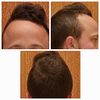
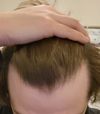
A humorous discussion about hair loss treatments, specifically mentioning the use of 5mg of Dutasteride. The conversation includes jokes about the effectiveness of the treatment.
The conversation is about a user's hair loss treatment regimen, which includes Dutasteride, oral Minoxidil, topical Dutasteride, Minoxidil sulfate, antioxidants, and various supplements. The user is also using a derma stamp and has paused Tretinoin due to a TCA peel recovery.
The user shared their 2 1/2 years of progress treating hair loss with finasteride, minoxidil, and dermarolling, noting a slight improvement from RU58841 and a recent addition of oral minoxidil. They varied their finasteride dosage, used both topical and oral minoxidil, and saw better results with short hair, hoping for further improvement.
The efficacy of taking dutasteride, a medication used to treat hair loss, every other day instead of daily. It was suggested that taking 0.5mg daily for 3 months and then switching to 3 times per week would be effective. Finasteride was also discussed as an alternative treatment option.
You cannot donate blood if you are taking finasteride or dutasteride due to potential risks to pregnant women. Finasteride has a shorter wait time to donate blood compared to dutasteride, and both oral and topical forms can disqualify you from donating.
The user experienced significant hair regrowth using a combination of oral minoxidil (5mg) and dutasteride (0.5mg) along with monthly mesotherapy injections. Despite the progress, the user plans to proceed with a hair transplant to address a receding hairline that hasn't fully responded to the treatment.
The conversation discusses the use of Finastopic, a carrier for finasteride solutions by Isdin, and compares it to a standard propylene glycol (PG) solution. The user was prescribed a 1% finasteride solution using Finastopic and has been using a self-compounded 0.025% topical finasteride with minoxidil.
The conversation humorously suggests that doing daily handstands can regrow hair by improving blood flow to the scalp, dismissing traditional treatments like finasteride and minoxidil. It satirically claims that gravity is the real cause of hair loss, with users joking about the effects of gravity on hair growth.
The conversation discusses hair shedding while using finasteride for hair loss treatment. The user is concerned about whether the shedding is a normal part of the treatment process.
The user is updating on their hair loss treatment progress after 4 months using oral finasteride, topical minoxidil spray, and weekly 1mm dermarolling. The crown area is slowly improving, with a smaller bald spot radius compared to the previous month.
The user experienced mental side effects from both oral and topical finasteride and is considering trying dutasteride or liposomal topical finasteride. They are concerned about potential worsening of hair loss if they quit dutasteride.
A 26-year-old male shared progress pictures after 4 months of treating hair loss with finasteride (1.25 mg on Mondays, Wednesdays, and Fridays), topical minoxidil twice daily, ketoconazole shampoo twice weekly, and weekly microneedling at 1.5 mm. He is seeing hair growth improvement, especially in the front, and is considering hair grafts for the crown area if necessary for more density.
Switching from finasteride to dutasteride for hair loss can cause increased shedding, which may indicate the treatment is working by replacing old hairs with new ones. The original poster is experiencing aggressive hair thinning despite long-term treatment.
The conversation is about a user sharing their 3-month progress with finasteride, minoxidil, and weekly derma rolling for hair loss. Some suggest buzzing the hair off to better apply treatments and consider a hair transplant in the future.
After 8 months of using topical finasteride and minoxidil, along with derma rolling twice a week with 1mm needles, significant hair regrowth was achieved. The user applies two drops of finasteride daily and distributes it with fingers.
A 24-year-old male with diffuse thinning has been using finasteride for two years, dutasteride for 6-7 months, and oral minoxidil for 5 months, along with topical treatments. He plans to continue this regimen and reassess in August 2026, hoping to stabilize hair loss without surgery.
The conversation is about a user experiencing hair shedding after switching from finasteride to dutasteride and increasing their oral minoxidil dose. The user is advised to continue with the current treatment, consider adding topical minoxidil, and consult a dermatologist for potential underlying issues.
Switching from topical finasteride to dutasteride may cause shedding, with some users experiencing improvement after several months. Topical dutasteride is generally considered less effective than oral dutasteride.
A user shared their successful hair regrowth journey using finasteride, oral minoxidil, and oral dutasteride, expressing gratitude for the support received. The conversation includes congratulations and encouragement from others.
The user has been using finasteride and minoxidil for over 7 years, switched to dutasteride 3 years ago, and is satisfied with the results. They experienced no noticeable side effects and use minoxidil on their hairline and temples.
A user underwent a 3750 graft hair transplant in Turkey, initially promised 4500 grafts, and is satisfied with the results despite some concerns about donor site size and crown coverage. The user has been on medications like finasteride and minoxidil for about four months and may consider a second transplant in the future.
The conclusion of the conversation is that the user experienced noticeable regrowth of hair after using dutasteride as a single treatment for about 1.5 years. No before photos were available.
Hair looks thinner in sunlight, and users discuss using hair fibers, minoxidil, finasteride, and considering dutasteride for hair loss. Hair fibers like Toppik help conceal thinning, and some users suggest additional treatments like derma stamping and micro-needling.
A user shared their experience with hair shedding after switching from finasteride to dutasteride. They saw initial hair thickening, experienced shedding after 9 months, but the shedding has now stopped, and their hair is thick again.
A 27 year old user's progress in treating their hair loss with 1mg of finasteride daily, 2x topical minoxidil daily, micro needling and occasional rosemary oil scalp massage; other users have encouraged the poster based on their results and offered advice for further treatments.
The conversation discusses hair loss treatment progress over 7 months using Dutasteride, oral Minoxidil, and recently started RU58841. The last photo shows the progress made with these treatments.
The user has been on finasteride for 4.5 years and minoxidil for 10 years, maintaining hair but not regrowing much on the crown and temples. They are considering using a dermastamp more frequently and possibly trying RU58841, but are hesitant about dutasteride due to concerns about side effects and DHT suppression.
A 22-year-old with 4c hair is considering a hair transplant to address traction alopecia caused by braid extensions. They have tried derma stamping, oils, and minoxidil but stopped due to side effects.
The user experienced significant hair regrowth using 1mg finasteride daily and Rogaine minoxidil 5% foam twice a day, along with vitamin D supplementation. They also managed stress through lifestyle changes like exercise, quitting nicotine, and improving sleep.
The user is documenting their experience with oral dutasteride (dut) 0.5 mg and minoxidil (min) 5 mg for hair loss, planning to add RU58841 after three months. They previously used finasteride with success and are now experiencing increased shedding but also new hair growth.