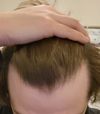
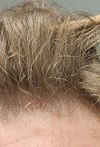
The user is considering cutting a 5mg finasteride pill into quarters to take 1.25mg daily due to concerns about side effects. They are also contemplating using 0.5mg of dutasteride instead.
People are discussing why some choose finasteride over dutasteride for hair loss, noting that while dutasteride is more effective, it's also more expensive, less researched, and potentially has more side effects. Some users shared personal experiences with side effects from both drugs, and others mentioned that finasteride is FDA approved for hair loss, while dutasteride is not, except in Japan.
The user shared their 5-year hair regrowth journey using oral finasteride, oral dutasteride, topical and oral minoxidil, and a hair transplant. They experienced significant hair improvement without major side effects, although RU58841 was not effective for them.
A 31-year-old male switched from finasteride to oral dutasteride (0.5mg, 2x a week) and uses liquid minoxidil daily for hair loss. He experienced shedding and regrowth but is considering increasing dutasteride to 3x a week due to concerns about hair density and ongoing issues.
The user has been using oral minoxidil (5mg) and oral finasteride (1.25mg) for 9 months and is considering switching to dutasteride due to concerns about hair shedding. They report no side effects from the current treatment.
Dutasteride at 0.5 mg and 2.5 mg doses may eventually yield similar hair growth results over time, with 0.5 mg being sufficient for many users. Higher doses may not significantly increase benefits and could lead to diminished returns.
The user switched from finasteride to dutasteride and oral minoxidil, experiencing better hair maintenance and some regrowth. They also addressed vitamin deficiencies, which may have contributed to their progress.
The user experienced excessive scalp oiliness and high testosterone levels after switching from finasteride to dutasteride. They plan to manage their condition with finasteride and are considering spironolactone to reduce testosterone and restore dry skin.
Maximum serum DHT suppression for finasteride occurs at 8 hours, while for dutasteride, it occurs within 1 to 2 weeks with daily dosing. Dutasteride mesotherapy will be followed by blood tests to check serum DHT changes.
The user experienced significant hair regrowth using finasteride and dutasteride, with noticeable results after switching to dutasteride. Minoxidil was deemed unnecessary due to the restoration of the hairline and lack of hair follicles in bald spots.
Finasteride pills don't fully dissolve in a DIY topical solution due to fillers, resulting in residue. Users suggest shaking well before application and note that commercial solutions appear clearer.
A user shared a positive 5-year experience with oral finasteride and minoxidil for hair loss, noting improvement and stability. Others in the conversation also reported positive results with these treatments.
The conversation is about a user's positive experience with hair regrowth using 2.5mg daily of Dutasteride and 5mg oral Minoxidil, noting significant progress without major side effects. The user experienced an initial hair shed with Dutasteride, which stopped after starting Minoxidil, and recommends consulting a doctor before adjusting dosages.
Switching from finasteride to dutasteride led to significant hair regrowth and thickening for the user, who also uses ketoconazole shampoo. The user experienced increased libido and encourages others not to be discouraged by negative opinions about dutasteride.
The conversation is about DIY Dutasteride mesotherapy for hair loss, focusing on creating an injectable treatment to target the scalp and limit side effects. The user seeks feedback on enhancing the treatment with additional ingredients.
Switching from finasteride to a generic dutasteride led to unexpectedly high DHT levels, prompting a switch to a reputed brand and consideration of softgel capsules for better absorption. The user plans to retest DHT levels and may return to finasteride if issues persist.
A user's 2.5 year transformation of using 0.5mg finasteride and RU58841 to combat hair loss, with the possibility of increasing the RU for further regrowth.
A 19-20-year-old has been using 0.5 mg of dutasteride daily for a year to combat hair loss, avoiding minoxidil due to side effects. They plan to continue this regimen and consider a future hair transplant, experiencing no significant side effects from dutasteride.
Fluridil and pyrilutamide are equally effective in stabilizing hair loss, with no regrowth observed. The user also uses dutasteride and minoxidil in their treatment.
A user who experienced positive results from using finasteride and dutasteride to treat their hair loss, with 2000 grafts being transplanted in the temples area for further improvement. They also discussed cost and other treatments such as minoxidil.
The conversation discusses hair loss treatments, specifically using Dutasteride and oral Minoxidil. Opinions vary on the effectiveness, with some suggesting dosage adjustments and others debating the presence of hair loss.
A user's 61-year-old father regained a full head of hair after four years on dutasteride for his prostate and five months of weight loss and exercise. The user decided to switch from finasteride to dutasteride and continue exercising, inspired by his father's results.
Akinfenrawr experienced negative side effects from oral finasteride and RU58841, and is seeking alternative hair loss treatments. They discuss various options, including raloxifene, oral dutasteride, liposomal finasteride, Breezula, Pyrilutamide, SM04554, and sulforaphane, but have concerns about efficacy, availability, and cost.
Dutasteride reduces DHT more effectively than finasteride, but finasteride is more commonly used and approved for hair loss. Users have mixed opinions on dutasteride's effectiveness, with some experiencing better results and others facing side effects or no improvement.
The user switched from finasteride to dutasteride due to hairline recession but noticed further hair loss and is seeking new dermatological advice. They are concerned about the effectiveness of dutasteride and are looking for help.
A 28-year-old experiencing worsening hair loss despite using Dutasteride and oral Minoxidil is considering exosome therapy and possibly switching treatments due to side effects. They seek advice on whether to continue with Dutasteride or try alternatives like Pyrilutamide or topical supplements.
The user switched from Finasteride to Dutasteride due to hair shedding but experienced potential side effects like puffy nipples. They are considering switching back to Finasteride and are concerned about regaining lost hair.
The user is experiencing severe hair loss after surgery and stress, with thinning all over the head, including the sides and neck. They are unsure if it's due to DUPA or alopecia areata incognita, and doctors have not observed miniaturization.
A user who experienced hair loss after switching from finasteride to dutasteride and is seeking advice whether it is an indication the treatment isn't working. Replies suggest that shedding is common at first due to dutasteride's longer half-life, but patience may be necessary before results are seen.