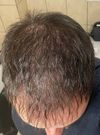
The conversation discusses the use of 12.5mg cyproterone every other day for hair loss. There's a concern about reducing testosterone potentially increasing DHT and negatively affecting hair.
The user is using a comprehensive hair loss prevention regimen including Dutasteride, RU58841, topical treatments, red light therapy, microneedling, and supplements like Nutrafol, while avoiding Minoxidil. They also supplement with vitamin D and zinc and plan to start testosterone replacement therapy (TRT) in January.
A user shared that taking vitamin E, specifically tocotrienols, seemed to reduce their hair shedding, and they are also using finasteride, minoxidil, and derma rolling for hair loss. Another user cautioned against high doses of vitamin E due to potential health risks.
The conversation is about a hair loss treatment regimen that includes finasteride, dutasteride, oral minoxidil, Dermapen, quercetin, N-acetyl L-cysteine, biotin, millet seed extract, MSM, OPC, green tea extract, high-dose vitamins B1-B12, boron, and silica. The user is seeking advice on additional treatments.
Low testosterone and estradiol may contribute to hair loss, and blocking DHT without sufficient hormone levels might hinder regrowth. The discussion highlights the importance of hormone balance, with some considering supplements and lifestyle changes to support hair health.
A user experienced rapid hair loss and was prescribed Desonide cream for mild Alopecia. They are seeking feedback on its effectiveness and potential side effects.
A user's regimen to help with their diffuse thinning, which includes taking Pyrilutamide BID, 1mg finasteride daily, 2.5mg oral minoxidil daily, topical minoxidil since August 2021, LLLT every two days, topical fin, progesterone, melatonin, minoxidil (started one week ago), pumpkin seed oil and not dermarolling; other commenters suggested Nizoral for dandruff control and caution when using pre-mixed products with Pyrilutamide.
The conversation is about DIY Dutasteride mesotherapy for hair loss, focusing on creating an injectable treatment to target the scalp and limit side effects. The user seeks feedback on enhancing the treatment with additional ingredients.
Epristeride is a selective 5 alpha reductase type 2 inhibitor that may reduce scalp DHT similarly to finasteride, with potentially fewer side effects. It is suggested that combining epristeride with finasteride or dutasteride could enhance hair loss treatment effectiveness.
The user experienced hair regrowth using finasteride, biotin, folic acid, vitamin D3, and microneedling, despite initial shedding. Vitamin D3 deficiency caused hair loss and insomnia.
A user on finasteride for hair loss is considering topical dutasteride to further reduce scalp DHT and is using various other topicals as substitutes for minoxidil due to concerns about the safety of their cats and potential heart side effects from oral minoxidil. They are exploring whether a once-weekly application of topical dutasteride would be effective.
Creatine does not increase testosterone or DHT, and there is no evidence it causes hair loss. Some users report improved gym performance and mood with creatine, while others are concerned about potential hair loss, but scientific research does not support these concerns.
Increasing the dutasteride dose to 2.5 mg may significantly reduce DHT and promote hair regrowth, with similar side effects to lower doses. Some users combine dutasteride with minoxidil and finasteride for better results, but there are concerns about long-term effectiveness and availability.
PP405 is discussed as a potential alternative to finasteride, but its effectiveness and market availability are uncertain. Users share experiences with finasteride, minoxidil, and topical treatments, noting side effects and application techniques.
Combining finasteride and dutasteride with activities that raise testosterone may increase the risk of side effects like gynecomastia, depending on genetic predisposition and hormone levels. It's advised to check hormone levels to assess the risk.
The conversation discusses managing estradiol problems during finasteride treatment. Suggestions include stopping finasteride every 3 months for 2-3 weeks or reducing the dosage.
The user had four DHI hair transplants from 2021 to 2025 and is concerned about the lack of hair thickening despite using treatments like finasteride and minoxidil. They are seeking advice on why these efforts aren't working.
Efforts to find a Canadian dermatologist in the US to prescribe H&W's topical finasteride for hair loss. The user is willing to fund a crowd-share effort to identify prospects.
The user reports progress in hair regrowth using a daily routine of 0.5mg Dutasteride, 5% Minoxidil foam, and Olly hair gummies, while discontinuing rosemary water. They are hopeful for continued improvement and have received positive feedback on their progress.
The user experienced side effects from finasteride and Nutrafol, opting for non-hormonal treatments like minoxidil, exercise, and a healthy lifestyle. Others discussed using Dutasteride, Biotin, and minoxidil with varying success and side effects.
The user is taking Dutasteride, Finasteride, Estradiol, Spironolactone, and Progesterone for hair regrowth and is considering adding Minoxidil and rosemary oil. They are experiencing some hair regrowth and are consulting a dermatologist to avoid a hair transplant.
The user is using a hair recovery treatment with 0.5 mg dutasteride, 5 mg biotin, 5% topical minoxidil, and dermarolling twice a week. They are considering using a 1.5 mm dermaroller and red light therapy.
The user experienced hair thickening and reduced shedding using minoxidil, finasteride, and dutasteride, with a switch from finasteride to dutasteride due to ineffectiveness. They also use a saw palmetto shampoo and take vitamin D3 supplements, while considering potential underlying causes like vitamin deficiencies and hard water buildup.
Dutasteride mesotherapy in women with metabolic syndrome accelerated hair loss after initial regrowth, while women without metabolic syndrome saw continuous regrowth. The user with mild insulin resistance is hesitant to try topical dutasteride and seeks experiences from others with insulin resistance.
A user is experiencing hair thinning and is using a peptide with oleanic acid as a DHT blocker, along with minoxidil, while waiting for topical finasteride. They plan to use a combination of minoxidil, finasteride, dermastamp, ketoconazole, and scalp massages, but are advised to stick to proven treatments like finasteride and minoxidil.
The user is using a regimen of 0.5mg dutasteride, 5% minoxidil foam at night, hair gummies, and rosemary water in the morning to address hair loss. They are experiencing some regrowth and are advised to be patient, with suggestions to possibly increase minoxidil application to twice a day for better results.
The conversation discusses the effectiveness of various supplements for hair loss, with some users suggesting higher doses of Zinc and Vitamin C, while others recommend additional supplements like Saw Palmetto and Omega-3. It is concluded that multi-vitamins are often ineffective unless there is a deficiency, and excessive intake can harm hair follicles.
The user experienced significant hair regrowth using dermarolling, peppermint essential oil, rosemary carrier oil, finasteride, dutasteride, biotin, vitamin E, spirulina, fish oil, and a protein-rich diet. The oral versions of finasteride and dutasteride were noted as more effective.
The user experienced improved hair density and thickness after using finasteride and dermarolling for 2.5 years but noticed hair loss when doing anaerobic exercise. They increased their finasteride dose and continued dermarolling but are considering not starting minoxidil due to its perceived hassle and uncertain long-term benefits.
A 20-year-old with thinning hair has low vitamin D and normal testosterone. They are prescribed oral minoxidil and vitamin D, and are questioning if finasteride is also necessary.