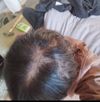
A user shared their 7-month progress on hair regrowth using a regimen of dutasteride, minoxidil, stemoxydine, microneedling, and keto shampoo. They noted significant improvement, particularly in vellus hair growth, and discussed the potential addition of RU58841, though they experienced side effects with it previously.
A user shared a 12-month update on their hair transplant, which involved 5700 DHI grafts and cost £4500 at Cosmedica. They also dyed their hair and beard, and users praised the impressive results, suggesting finasteride or dutasteride to prevent further hair loss.
The user is experiencing hair loss and is considering increasing their dutasteride dosage or trying RU58841, but is concerned about the effectiveness and side effects. Other users suggest sticking with dutasteride 0.5 mg daily and adding oral minoxidil for better results.
The user reports progress in hair regrowth using a daily routine of 0.5mg Dutasteride, 5% Minoxidil foam, and Olly hair gummies, while discontinuing rosemary water. They are hopeful for continued improvement and have received positive feedback on their progress.
The conversation discusses combining oral dutasteride with topical finasteride to further reduce scalp DHT levels for hair regrowth. Users debate the effectiveness and safety of this combination, with some suggesting alternatives like topical antiandrogens such as RU58841, fluridil, and alfatradiol.
The conversation is about a person experiencing significant hair loss in the donor area after a hair transplant, with others suggesting it might be shock loss. The person is taking oral minoxidil and dutasteride to help with the issue.
A user's experience using dutasteride, minoxidil, ketoconazole, vitamin D, scalp massage, exercise, and avoiding vaping and 2-in-1 shampoo/conditioner to treat hair loss; they also discussed the side effects of finasteride.
The user experienced temple recession, shedding, and acne while on 0.5mg dutasteride, 1.25mg finasteride every other day, and 5mg oral minoxidil daily. They are considering switching treatments due to worsening symptoms and are contemplating using a topical anti-androgen like RU58841.
A user reversed hair loss using 0.5 mg of dutasteride daily without side effects. Others noted hair thickening but questioned the absence of minoxidil use.
The user is concerned about the legitimacy of online-bought Dutasteride due to its sugary taste and increased urination. Others suggest it looks legitimate but recommend consulting a doctor and possibly testing DHT levels.
User maintained hair with finasteride for 6 months, then switched to dutasteride for 7 months, using DHT blocking shampoo, keto 2% shampoo, and microneedling. Significant hair growth observed, especially on right temple.
A 23-year-old male is considering starting Finasteride for hair loss after experiencing persistent shedding and hairline recession, with bloodwork showing normal testosterone levels but low DHEA-S and Vitamin D. He plans to discuss DHEA supplementation with his doctor and has already started Vitamin D supplementation.
The conversation is about someone who has been using finasteride and minoxidil for over three years without satisfactory results for hair thinning. They have started using dutasteride and added RU58841 seven months ago but have not seen improvements yet.
The conversation humorously discusses using anal administration of Dutasteride as a novel method for treating hair loss, suggesting it could target DHT production more effectively. It includes satirical comments about the method's potential effects and absurd outcomes.
Dutasteride effectively stops hair loss but can cause side effects like sexual dysfunction, muscle mass changes, and testicle shrinkage. Adjusting the dosage may help manage these side effects, but long-term health effects remain a concern.
The user has been using dutasteride for 8 months and added oral minoxidil 1.25mg for 4 months, seeing improved hair density despite minor shedding. They are considering increasing the minoxidil dose to 2.5mg due to concerns about side effects.
People are experimenting with high doses of dutasteride, with some reporting halted hair loss and regrowth. Others are combining it with treatments like minoxidil and finasteride, noting varying results and side effects.
Switching from finasteride to a generic dutasteride led to unexpectedly high DHT levels, prompting a switch to a reputed brand and consideration of softgel capsules for better absorption. The user plans to retest DHT levels and may return to finasteride if issues persist.
A 29-year-old woman with genetic hair loss started using 0.5 dutasteride a week ago and has noticed increased shedding, no sexual side effects, and less oily skin. She plans to provide updates and is not concerned about potential birth defects as she doesn't plan to have more children.
A 31-year-old male is using a hair loss treatment routine that includes daily 0.5mg dutasteride, 5% minoxidil, microneedling, biotin, vitamin D, omega-3 supplements, and alternating shampoos to restore hair density. He reports no side effects or noticeable regrowth yet but feels optimistic about the process.
A user increased their dutasteride dose to 2.5 mg and oral minoxidil to 5 mg after losing hair regrowth, and also started using 2% ketoconazole and microneedling. Another user suggested these changes are meaningful and recommended splitting doses throughout the day for better absorption.
A 33-year-old user is seeking advice on adjusting their hair loss treatment, which includes daily finasteride, oral minoxidil, and various supplements. They are considering switching to alternate-day dosing of finasteride or dutasteride and are concerned about potential shedding and effectiveness.
The "DHT itch" is real and likely due to inflammation at the hair follicle, exacerbated by increased testosterone or androgens. Treatments mentioned include dutasteride, minoxidil, finasteride, and various topical solutions.
A 22-year-old male experienced hair regrowth using an intermittent Dutasteride regimen, oral and topical Minoxidil, FolliHair AM/PM, and Salicia KT shampoo. He stopped Dutasteride due to side effects like dry eyes and skin, but noticed increased hair shedding after stopping.
Using Dutasteride as a hair loss treatment and its potential benefits, including availability in certain countries without a prescription and lower side effects than Minoxidil or RU58841.
A user took finasteride for six months, then switched to dutasteride for a year, increasing the dosage over time, but hair shedding worsened. Replies suggest the issue is male pattern baldness and DHT-related.
GHK-Cu is a potent inhibitor of the type 1 5-alpha reductase enzyme in hair follicles, which may reduce hair loss without the side effects associated with type 2 5-alpha reductase inhibitors. The user previously experienced side effects with 5-alpha reductase inhibitors and is considering GHK-Cu as an alternative.
A user shared a two-year update on their hair loss treatment using dutasteride (0.5mg/day), minoxidil (Kirkland topical foam 2x/day), a 1.5mm derma roller every other week, and a daily multivitamin with biotin. They reported significant hair regrowth with no side effects, emphasizing the importance of consistency and a healthy lifestyle.