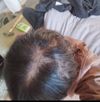
The user has been using various hair loss treatments, including dutasteride, oral minoxidil, finasteride, RU58841, and dermarolling, but feels they may have lost hair and is considering a hair transplant. They are advised to stick to one treatment for 6-12 months to see results, as frequent changes may hinder progress.
The user shared a 6-month progress update on hair loss treatment using Dutasteride (0.5mg), Minoxidil (5%), and Dermanator 2. They reported improved hair density and coverage, especially in the crown/mid-scalp, and are focusing on enhancing the hairline.
New hair loss treatments PP405 and VDPHL01 are discussed with skepticism and hope, alongside existing treatments like minoxidil and finasteride. Users express frustration over limited progress since the 1980s but remain cautiously optimistic.
The conversation discusses hair loss treatments, specifically dutasteride, oral minoxidil, and microneedling. Users inquire about side effects, brands, and suggest using topical minoxidil.
A dutasteride simulator predicts that daily 0.5 mg dosing results in higher DHT suppression compared to less frequent dosing. Twice-weekly dutasteride may be as effective as finasteride 5 mg, providing a balance between efficacy and ease of use.
The user is using a topical dutasteride/minoxidil/tretinoin gel for hair thinning and has had a positive experience with no side effects. They also mention considering another product, Formula82D, after having decent results with Formula82F.
The user has been using Dutasteride 0.5mg, Biotin, and oral Minoxidil 2.5mg for 12 weeks to treat hair loss and is optimistic about future results. Others encourage consistency and express satisfaction with the progress.
The conversation discusses the approval of Kintor Pharmaceutical's AR-PROTAC (GT20029) for clinical trials in China for acne and androgenic alopecia. One user expresses optimism about new treatments being developed and seeks clarification on how the new drug works, specifically if it temporarily degrades the AR protein to reduce DHT sensitivity in hair follicles.
Shampoos are generally ineffective for stopping hair loss or blocking DHT, with treatments like minoxidil and finasteride being more effective. Finasteride can stop hair loss in some cases, but often only slows it down for most users.
A 26-year-old male is still experiencing hair loss after a year of using Dutasteride and is considering using CB0301 (Breezula) to block all androgens on his follicles. He is looking for a reliable source to purchase CB0301 and inquires about the availability of a premade solution.
A 19-year-old male with no family history of androgenetic alopecia (AGA) is experiencing hair loss and considering using a topical minoxidil and finasteride mixture. Despite low vitamin D levels and normal DHT serum levels, he seeks confirmation of AGA before starting treatment.
A 21-year-old is using Dualgen-5R (minoxidil and tretinoin) and weekly dermarolling to address hair loss, noticing some progress after three months. They plan to add an anti-androgen like RU58841 or Kx826 for better long-term results.
The conversation is about the difficulty in obtaining GT20029, a hair loss treatment, due to patent issues and the need to resort to group buys or Chinese labs for acquisition. Specific treatments mentioned include Minoxidil, finasteride, and RU58841.
The user is seeing progress in hair regrowth using a combination of 8% minoxidil, 0.25% dutasteride, and 0.01% tretinoin. The conversation includes comments on the effectiveness and application of these treatments.
Dutasteride at 0.5mg blocks 50% of scalp DHT, while higher doses like 1mg and 2.5mg block more, with 2.5mg blocking up to 80%. Some users report better results with lower doses, and there's confusion about the effectiveness of different dosages on scalp versus serum DHT.
Hair loss treatments like minoxidil, finasteride, and dutasteride, with mixed results and suggestions for combining treatments or considering hair transplants. Some users experience no improvement or side effects.
Using a combination of Stemoxydine, minoxidil, dutasteride, and keto shampoo to achieve extreme hair and beard growth. The user has experienced positive results with terminal hairs at the hairline and an increase in density to their stubble after several weeks of use.
Hair loss treatments like finasteride, dutasteride, minoxidil, and RU58841. Users discuss "DHT itch" at receding hairlines and suggest using dutasteride or ketoconazole shampoo for relief.
The user has been using dutasteride, oral minoxidil, and vitamin D for 8 months with no improvement in hair loss. They are considering trying RU58841 or a hair transplant due to the ineffectiveness of current treatments.
Tretinoin alone has led to hair regrowth in the temples and hairline. The user is considering oral minoxidil or dutasteride but prioritizes health first.
The user experienced initial hair regrowth with topical dutasteride and minoxidil but later faced significant hair shedding, leading to doubts about the effectiveness of topical dutasteride. They plan to continue the treatment for a year and may switch to oral finasteride if no improvement is seen.
The conversation discusses recommendations for Vitamin D3 supplements for hair health. Specific treatments mentioned include Minoxidil, finasteride, and RU58841.
A 24-year-old is experiencing hair shedding and regrowth while using dutasteride (1mg), vitamin D, and minoxidil (5%). Others share similar experiences with hair loss treatments like minoxidil and finasteride.
A 22-year-old with advanced diffuse thinning is considering oral dutasteride after stopping finasteride due to side effects like brain fog and testicular pain. They are also contemplating a hair transplant combined with oral dutasteride and topical finasteride, noting a thick donor area.