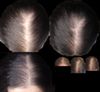
Beta blockers may cause hair thinning as a side effect. The user is concerned about this and seeks others' experiences with hair loss while using beta blockers.
The user has been using a hair loss treatment including oral Minoxidil, topical Minoxidil with Tretinoin and Finasteride, and is considering adding Dutasteride but is concerned about the potential side effects and risks regarding fertility. A reply suggests that having children while on these medications should be fine, advising to avoid letting the partner come into contact with the drugs.
The user has been using finasteride daily since 2020, dutasteride twice weekly since September, 2.5 mg oral minoxidil daily, microneedling monthly, and ketoconazole semi-often. They are feeling lost about their hair loss progress after one year on this regimen.
A user shared their experience with a hair transplant, emphasizing the importance of avoiding caffeine 7 days before the procedure. Ignoring this advice led to reduced effectiveness of the numbing agent, causing significant discomfort during the transplant.
An 18-year-old male with hair loss is considering starting finasteride but is concerned about potential side effects like gynecomastia due to his prolactin levels. He seeks guidance on whether his bloodwork indicates it's safe to begin treatment.
The conversation is about a user experiencing hair loss despite using finasteride for 14 months, with suggestions to try other treatments like dutasteride or minoxidil. The user is hesitant to use minoxidil due to a family history of heart problems.
The conversation is about starting finasteride for hair loss, with concerns about high free testosterone and potential side effects like gynecomastia. The user plans to address vitamin deficiencies before beginning the treatment.
A 22-year-old male has been using oral minoxidil, oral finasteride, microneedling, and ketoconazole for hair loss treatment over two years, experiencing some regrowth and maintenance. He reports side effects from finasteride, including erectile dysfunction, and slight libido impact from minoxidil.
A user reported no improvement in hair loss after nearly a year of using 1mg oral finasteride, topical minoxidil twice daily, and weekly microneedling. Other users suggested the possibility of DUPA or retrograde alopecia and mentioned that treatments might only slow down hair loss rather than regrow hair.
Oral minoxidil dosing should be based on body weight to minimize side effects, with higher doses increasing risks like pericardial effusion. Combining oral minoxidil with topical treatments and finasteride can improve hair growth, but regular heart health monitoring is essential.
Minoxidil is discussed as a hair loss treatment, with concerns about potential eye issues. Some users express skepticism about these claims, while others emphasize the long-standing use of Minoxidil.
RU58841 may cause heart-related side effects like palpitations and chest pain, though evidence is mostly anecdotal. Users report mixed experiences, with some stopping due to side effects and others using it without issues, but concerns about its safety and sourcing remain.
The user has been using 1mg finasteride every other day, 5% minoxidil daily, and microneedling every two weeks for three months to treat hair loss. They are happy with the progress and considering adding ketoconazole shampoo to their routine.
The conversation discusses the use of vasodilators like Minoxidil, L-arginine, and Niacin for hair regrowth, with Minoxidil causing intolerable side effects for the original poster. It also highlights that certain medications, including Lisinopril, antidepressants, and statins, can cause hair loss.
A user is experiencing worsening hair loss despite using 2.5mg Dutasteride, RU58841, and Minoxidil daily for over 8 months. They are concerned that daily nicotine from vaping might be counteracting the treatments.
A user shared their experience with finasteride, reporting severe side effects like erectile dysfunction and watery semen, which improved after stopping the medication. They emphasized the risks of finasteride and decided not to resume its use despite hair loss stabilization.
The user experienced successful hair regrowth with Finasteride and Minoxidil but developed erectile dysfunction and abdominal pain, possibly due to medication or lifestyle changes. They plan to consult a urologist and consider adjusting medication or trying supplements like zinc, DIM, or boron.
A 27-year-old male using Minoxidil, Finasteride, and dermarolling for hair loss shared blood test results and experienced side effects with Finasteride. Adjusting the Finasteride dosage helped reduce side effects.
A 25-year-old male with seborrheic dermatitis and hair thinning seeks advice on the severity of his condition and treatment options. Oral finasteride and oral minoxidil are recommended as the most effective long-term treatments.
The user is experiencing worsening hair loss despite undergoing monthly injectable finasteride, clay masks, laser therapy, and microneedling. They are concerned about severe shedding in areas not typically affected by male pattern baldness and are considering seeking a second opinion.
The user's experience with oral minoxidil, which resulted in under-eye wrinkles; other users sharing their experiences and advice regarding hair loss treatments such as topical minoxidil, finasteride, RU58841, and collagen supplementation.
A user is concerned about receding hairlines and considers using finasteride and minoxidil but is hesitant due to potential side effects. Others advise starting treatment early to prevent further hair loss, emphasizing that finasteride is generally safe and effective for prevention.
A 25-year-old experiencing hair thinning all over the body and head, despite using minoxidil and having low vitamin D levels, is advised to seek a second opinion from a dermatologist specializing in hair loss. The likely diagnosis is diffuse alopecia areata, which may require treatment with a JAK inhibitor.
A user's 14-month journey with finasteride, microneedling, and Nizoral to treat hair loss. They experienced some side effects such as ball ache, needing to pee constantly, and less semen, but the results were generally positive.
2-deoxy-D-ribose, a sugar molecule, is found to be 80%-90% as effective as Minoxidil in promoting hair growth, showing potential for alopecia treatment. Concerns include high cost, lack of human studies, and possible side effects like diarrhea and nausea.
User DeadRay9 reports good progress on finasteride and ketoconazole, with irregular microneedling. They take 1.25mg finasteride, experienced increased libido, and saw improvements at 3-5 months.
A dental technician claims malocclusion causes pattern hair loss due to poor scalp circulation. Users debate this, noting treatments like finasteride, minoxidil, and microneedling focus on DHT and blood flow.
The conversation is about using topical finasteride for hair loss and concerns about its application, side effects, and practicality. Users suggest switching to oral finasteride for convenience, despite potential side effects.
The user is unsure if their hair thinning is due to fungal infection/inflammation or genetic factors and is hesitant to start Minoxidil, finasteride, and RU58841. They are currently using Ketoconazole 2% and triamcinolone acetonide and are concerned about potential side effects from other medications.