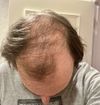
A 22-year-old male experiencing hairloss suspects androgenetic alopecia (AGA) and possibly telogen effluvium (TE), with a noted improvement in scalp itch after adopting a gluten-free diet. He is advised to consider treatments like finasteride or minoxidil and to check iron and ferritin levels.
A 21-year-old male managed to control his hairloss using Nizoral, RU58841, and finasteride, but experienced increased scalp itchiness after starting creatine, which subsided upon stopping creatine. Users shared mixed experiences on whether creatine affects hairloss, with some reporting negative effects and others seeing no change or defending its benefits.
The conversation discusses hairloss treatments, specifically using Minoxidil, finasteride, and RU58841. It also mentions the importance of raising vitamin D3 levels.
The conversation is about the mental toll of hairloss and seeking alternatives to finasteride. Suggestions include using minoxidil, considering pumpkin seed oil, and possibly seeking counseling for body dysmorphic disorder.
The conversation is about a hairloss treatment protocol involving microneedling, finasteride, RU58841, minoxidil, ketoconazole shampoo, and a scalp massager with oils. Some users advise starting with fewer treatments like finasteride, minoxidil, and microneedling to avoid potential side effects.
Creatine can cause increased hairloss in some people, particularly those with a predisposition to androgenic alopecia, but hairloss often stops after discontinuing its use. Some users experience no hairloss while using creatine.
Eli Lilly's drug baricitinib showed effectiveness in treating alopecia areata, with higher doses resulting in significant hair regrowth compared to placebo. The treatment is not for male pattern baldness.
User experienced significant body hairloss from Finasteride and started oral Minoxidil to address crown thinning. Their current regimen includes 1mg Finasteride, 2.5mg Minoxidil, Biotin, Vitamin D, Zinc, Iron, and ketoconazole shampoo.
High-dose Lysine and Histidine supplements caused curly/kinky hair and shedding due to Elastin dysfunction. Minoxidil, white tea, and dark grape juice were mentioned as treatments to inhibit Elastase and mimic Lysyl Oxidase.
User Wonderful_Tonight910 suffered from hairloss and seborrheic dermatitis for years. After using irritant-free shampoo, their scalp improved, hairloss stopped, and new hair growth appeared.
The conversation discusses managing hairloss and seborrheic dermatitis with treatments like minoxidil, finasteride, and saw palmetto, emphasizing the importance of scalp health and DHT reduction. The user shares personal experiences and suggests a balanced approach, combining topical treatments and lifestyle changes for effective hair regrowth.
The user experienced reduced hair shedding with Ketoconazole shampoo, suggesting it may help with scalp inflammation and hair health. They also use Minoxidil and Finasteride, and suspect food intolerance and stress contribute to their hair issues.
A 24-year-old male is experiencing hairloss due to low ferritin and vitamin D deficiency, and is using iron supplements, vitamin D3, finasteride, and ketoconazole shampoo for treatment. Users suggest increasing vitamin D and iron intake for better results and recommend consulting a professional for proper dosage.
Hairloss may be caused by calcification of capillaries in the scalp, restricting blood flow to hair follicles. A daily treatment regimen including high doses of Vitamins D and K, Magnesium, and Nattokinase could potentially decalcify these capillaries, improving blood flow and hair growth. However, some users warn against excessive Vitamin D intake and emphasize the need for medical consultation.
The post discusses using finasteride, minoxidil, ketoconazole, and a dermaroller for hairloss, along with spearmint capsules, pueraria mirifica, saw palmetto, biotin, and vitamins. The user is also considering microdosing finasteride with trans treatment and mentions the potential of herbal enemas and hair systems.
The user experienced hairloss from age 16 to 24 and tried various treatments. Effective treatments included Finasteride, Minoxidil, and hair transplants, while thickening shampoos, biotin, laser hair therapy, and excessive exercise were ineffective.
User is experiencing hair thinning and sebum overproduction after starting finasteride and a hair growth supplement containing biotin, iron, zinc, and calcium. They suspect the finasteride might be fake but have noticed a side effect of watery semen.
The user experienced significant hair regrowth using minoxidil, finasteride, and Nizoral shampoo, with initial shedding but eventual improvement. They plan to continue the treatment after regaining lost progress from stopping minoxidil.
Creatine may accelerate hairloss in those genetically predisposed, with some users reporting increased shedding while taking it and improvement after stopping. Some users use treatments like finasteride and minoxidil, while opinions on creatine's impact vary.
The conversation is about how dealing with hairloss has made other insecurities seem less significant. Some users shared experiences of self-acceptance and improvements in other areas, like vision correction, but still facing the challenge of hairloss.
Derek has maintained his hair for over a decade using dutasteride, keto shampoo, and previously minoxidil, despite early hairloss and family history of baldness. Other users discuss their own hairloss treatments, including combinations of oral minoxidil, finasteride, dutasteride, RU58841, nizoral, microneedling, and low-level laser therapy.
The user is using ketoconazole shampoo, 5% minoxidil, and microneedling for hairloss treatment. It's suggested that adding a DHT suppressant like finasteride could improve results.
Stevia microneedles increased minoxidil absorption and hair growth in mice. The conversation humorously questions the applicability of these results to humans.
The user is experiencing significant hairloss and is considering treatments like minoxidil, finasteride, and possibly a hair transplant. They are advised to consult a dermatologist and consider oral minoxidil and dutasteride, while being aware of potential side effects and the need for ongoing treatment.
A user solved their 15-year scalp inflammation and related hairloss using Selenium Sulfide shampoo (Selsun Blue), noticing improvement after the first use and resolution after three uses. Others found relief with Ketoconazole shampoo, which also helps with hairloss.
Vitamin D deficiency can contribute to hairloss, but it is not the sole cause, and supplementation may not always resolve the issue. Treatments like finasteride and minoxidil are recommended for hair regrowth, with vitamin D and other supplements providing additional support.