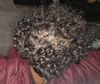
A 33-year-old male has been using topical finasteride, Minoxidil, RU58841, keto, and derma stamp for hair loss treatment for 3 months. He is optimistic about the promising results.
The user, InternationalTutor92, shared their progress pictures after using a combination of finasteride, minoxidil, keto shampoo, and dermarolling for a year. They mentioned that their hairline on the left side has improved, and they did not experience any side effects from the treatments.
The user shared a 10-month hair loss treatment update using finasteride, minoxidil, derma stamping, red light therapy, and keto shampoo, reporting improved styling ability but a stubborn frontal hairline. The user experienced lower libido as a side effect of finasteride.
2-deoxy-D-ribose, a sugar molecule, is found to be 80%-90% as effective as Minoxidil in promoting hair growth, showing potential for alopecia treatment. Concerns include high cost, lack of human studies, and possible side effects like diarrhea and nausea.
A user had a bad experience with a dermatologist who prescribed saw palmetto and biotin shampoo for hair loss, which was ineffective. The dermatologist then suggested minoxidil and dismissed the user's interest in finasteride, leading the user to consider seeking a new dermatologist and possibly starting minoxidil in the meantime.
Mallia Aesthetics has developed MAL-838, a hormone-free product derived from sCD83, which stimulates hair growth without disrupting the skin microbiome. sCD83 promotes hair growth by activating hair follicles and preventing cell death, offering a localized treatment without systemic side effects.
A user's hair loss treatment regimen, which includes minoxidil, ketoconazole shampoo and microneedling; some participants questioned the results due to previous posts about hair transplants, but others agreed that quick results are possible with certain treatments.
The conversation discusses a hair loss treatment regimen that includes a topical spray with finasteride and minoxidil, tretinoin, and using a Derminator (microneedling device) at 1.25mm depth every 5-6 days. The user reports positive results after 90 days and plans to continue the treatment, with others commenting on the process and potential outcomes.
The conversation is about a user trying a 0.2% Alfatrafiol treatment for hair loss, combined with Kx826, Minoxidil, microneedling, and ketoconazole. The user reports reduced itching and discusses sourcing the treatment.
The conversation discusses using topical finasteride (0.25% gel) and minoxidil (5% foam) for hair loss, with users sharing experiences about application methods, microneedling, and results. Some users have switched to oral finasteride for convenience and cost-effectiveness, while others discuss the greasy nature of the topical solution.
The user stopped oral treatments due to side effects and switched to a regimen of topical minoxidil, tretinoin, azelaic acid, and dermaneedling, with recent addition of topical finasteride. They are questioning the long-term effectiveness of non-hormonal methods and considering hair transplantation.
The user is seeking help with using Ell-Cranell for hair loss treatment. They are unsure about the correct application method and dosage. They also inquire about combining microneedling with topical alfatradiol and question a study that referred to alfatradiol as a hair growth inhibitor in male mice.
The user shares a 3-month hair loss treatment progress using finasteride, minoxidil, and ketoconazole shampoo. They plan to add a dermatologist pen to their routine for the next 3-6 months.
A 20-year-old has seen positive results for hair loss after 4 months using 1 mg finasteride daily, minoxidil twice daily, and weekly dermastamping with a 1.5 mm needle. They also used ketoconazole shampoo initially and recommend starting treatment early.
The user is hesitant to start a hair loss treatment regimen with Finasteride, Minoxidil, a derma stamp, and Nizoral shampoo due to concerns about potential side effects, despite being motivated by success stories. They seek advice from others who have faced similar dilemmas or have started treatment despite initial fears.
The user shared their one-year progress using finasteride, minoxidil, a dermastamp, and ketoconazole shampoo, noting stabilization but challenging regrowth in the temples. Another user discussed using a 1.5mm dermastamp daily with minoxidil for better results, but concerns about scarring were raised.
The user shared their 12-month hair regrowth progress using 1mg finasteride, 5mg oral minoxidil, and topical minoxidil. They also used a derma stamp weekly and treated seborrheic dermatitis with Mometasone and Nizoral.
Topical finasteride may have higher systemic absorption and lower efficacy when using a Propylene Glycol/Ethanol formulation compared to the hydroxypropyl chitosan (HPCH) formulation. The safety profile of topical finasteride relies heavily on the HPCH formulation, and using standard solutions might lead to different pharmacokinetics.
Obscure hair loss topicals like Alfatradiol, Fluridil, and Stemoxydine are discussed. They may be considered for those not responding well to common treatments like Minoxidil and Finasteride.
Hair loss treatment with Fin 1mg, Min foam twice a day for 4 months. Minoxidil can make hair darker by stimulating melanocytes; keto shampoo also used.
The user has been using finasteride 1.2mg daily, topical minoxidil 1ml daily, tretinoin with topical minoxidil 1ml every other day, and a 1.5mm derma roller every two weeks for 8 months to treat hair loss. The user has posted progress pictures over time.
User shared progress after 4 months using topical minoxidil and oral finasteride, reporting noticeable regrowth and no side effects. Other users discussed their experiences and advice on similar treatments, including dutasteride and derma stamping.
A 22-year-old has been using dutasteride (0.5 mg daily) for over a year but is experiencing increased hair shedding, scalp inflammation, and burning, and cannot use minoxidil due to side effects. Suggestions include consulting a dermatologist, trying oral minoxidil, microneedling, rosemary oil, caffeine shampoo, and considering other treatments like PRP or red light therapy.
The user has seen great results from microneedling but is worried it might lead to faster balding without medication. They are considering adding Finasteride or Dutasteride to their routine to address underlying DHT issues.
A user had a disappointing dermatologist appointment where they were denied prescriptions for Dutasteride and oral Minoxidil for hair loss and were only offered a hair transplant referral. Other users sympathized, discussed self-medication, and suggested consulting a transplant doctor for up-to-date treatments.
The conversation discusses the safety of using 2.5mg oral minoxidil and 1mg topical minoxidil twice daily, along with finasteride, for hair loss treatment. Concerns are raised about potential blood pressure changes from oral minoxidil, suggesting a personalized risk assessment with a doctor.
The user is using 1mg oral finasteride daily, applying topical minoxidil 1-2 times daily, and using Nizoral shampoo twice a week for hair regrowth. They are discussing their progress at month 13 of this treatment regimen.
Hair loss treatments Finasteride and Dutasteride are discussed, with emphasis on their safety and effectiveness. Users share frustration about fear-mongering and side effect discussions, suggesting trust in scientific studies and FDA approval.
Hair loss treatments including Minoxidil, finasteride, and ketoconazole 2%. The user shared their progress pictures after using these treatments for one year.