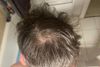
The conversation discusses microneedling for hair loss, with one user trying 0.3mm daily without feeling pain and questioning its effectiveness. Another user suggests that 0.3mm is too shallow and recommends 0.5mm twice a week or 0.75mm once a week for hair growth.
A user's 4-month hair loss progress, which included treatments such as topical finasteride/minoxidil, microneedling, and Nizoral; with others commenting on the great results achieved so far.
Microneedling on the vertex may require trimming hair to ensure needles reach the scalp effectively. Using a needle length of 1.0–1.5 mm is suggested, and longer hair might get damaged if not cut.
A user shared their 115-day progress in treating hair loss using 5% Minoxidil, topical Finasteride, biotin, microneedling, and collagen peptides. They reported visible improvement and no side effects from topical Finasteride, unlike the oral form.
The user is using Minoxidil, Finasteride, microneedling, and plans to add low-level laser therapy (LLLT) to treat hair thinning. They shared progress pictures showing results from May 8th to June 7th.
The conversation is about creating a DIY topical finasteride solution using ethyl alcohol and propylene glycol. A user suggests using a compounding pharmacy instead.
Use tretinoin three times a week, dermaroll once a week, and apply minoxidil daily, but avoid using all three on the same day. Tretinoin is preferred over hydrocortisone and should not be used immediately after dermarolling.
The user is seeing positive results in hair growth using a combination of topical minoxidil, finasteride, microneedling, and keto shampoo. They also use a red light panel for collagen rebuilding and are happy with the progress.
An 18-year-old is frustrated with a dermatologist who prescribed shampoos and Betnovate instead of Minoxidil and Finasteride for hair loss and seborrheic dermatitis. The user feels misled and is considering giving up on dermatologists.
The user reports promising hair regrowth without using finasteride, focusing instead on microneedling, dermarolling, minoxidil, tretinoin, scalp massages, and red light therapy. They emphasize consistency and a healthier, side-effect-free approach.
The conversation discusses a hair loss and scalp care routine involving ciclopirox shampoo, benzoyl peroxide, clindamycin gel, clobetasol propionate, and calcipotriol to manage seborrheic dermatitis, folliculitis, and inflammation. It also touches on the role of diet and other treatments like oral minoxidil and pioglitazone for scalp health.
A 26-year-old uses topical minoxidil, oral finasteride, and Nizoral shampoo for hair thinning and is considering microneedling but is unsure about the best approach. Users suggest using a 1.0mm dermaroller once a week, cautioning against overuse due to potential scarring, and some recommend combining microneedling with minoxidil for better absorption.
Hair care products for those using minox, keto, fin, and microneedling are discussed. Nizoral 2%, Revita shampoo, Nioxin system 2, Aveda thickening tonic, Hanz De Fuko Claymation, and Morrocanoil Texture Clay are mentioned as options.
The user is updating on their hair loss treatment progress after 4 months using oral finasteride, topical minoxidil spray, and weekly 1mm dermarolling. The crown area is slowly improving, with a smaller bald spot radius compared to the previous month.
A user who experienced significant hair regrowth over the course of one year by following a regimen including finasteride, minoxidil, Nizoral shampoo, dermarolling, biotin vitamins, vitamin D3 and collagen peptides. The post includes before/after photos and details on the brands used.
The post is about a user starting a hair loss treatment using finasteride, micro needling, and nizoral. The conversation includes supportive replies from other users.
A new painless microneedle patch shows promise in reversing hair loss. The discussion focuses on potential new treatments beyond common options like Minoxidil, finasteride, and RU58841.
Using roll-on bottles for applying minoxidil and RU58841 improves application efficiency and reduces product waste. Topical treatments are used continuously, except on microneedling days.
The user has been using minoxidil, finasteride, and microneedling for two years, resulting in significant hair regrowth and plans for a 4000 graft hair transplant. The treatments have strengthened the donor area, making a hair transplant feasible.
The user has seen hair regrowth after using oral finasteride, topical minoxidil, ketoconazole, and microneedling for three months. They are considering growing their hair out but are concerned about the appearance and the practicality of applying treatments to longer hair.
The user has been using 1.25mg finasteride, topical minoxidil twice daily, microneedling, biotin supplements, and ketoconazole shampoo for 10 months, noticing thicker hair and some density improvement. They are considering oral minoxidil but are cautious about potential side effects.
The conversation discusses using Minoxidil and Finasteride for hair loss, with a focus on applying Minoxidil after microneedling to enhance absorption. There is also mention of considering oral Minoxidil due to potentially higher absorption rates.
The user reported using 1.1 mg finasteride, 5 mg minoxidil, 1 mg biotin, dermastamping twice a week, and Nizoral shampoo and anti-itch liquid. The replies praised the progress and suggested a follow-up at six months.
A user shared their 1.5-year hair loss treatment progress, using finasteride, minoxidil, ketoconazole shampoo, and microneedling. They noticed improved hair health and growth, especially when consistently following their treatment routine.
Use a stamp or roller for microneedling; stamps are preferred to avoid hair pulling. Clean tools with alcohol to prevent infection, and replace stamps every 4-6 uses.