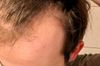
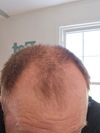
A male in his early 20s with CCCA (scarring alopecia) started treatment with Finasteride, Fluocinolone, and Doxycycline. Steroid injections were suggested but not yet done.
The user is unsure if their hair thinning is due to fungal infection/inflammation or genetic factors and is hesitant to start Minoxidil, finasteride, and RU58841. They are currently using Ketoconazole 2% and triamcinolone acetonide and are concerned about potential side effects from other medications.
A 23-year-old male experiencing severe hair loss stopped treatments for a year and is considering a hair transplant. Suggested treatments include Minoxidil, finasteride, and RU58841.
Onion juice, when applied topically, is an effective treatment for Alopecia Areata, showing significant hair regrowth in both males and females. The study suggests it could be interesting to test its effectiveness on Androgenic Alopecia.
The conversation is about a female experiencing hair loss and seeking advice on why it's difficult to regrow hair. Specific treatments like Minoxidil, finasteride, or RU58841 are not mentioned.
A person dealing with hair loss is considering shaving their head, using scalp micropigmentation to cover a FUT scar, or trying a hair system. They are also contemplating treatments like minoxidil, finasteride, and dutasteride.
A 20-year-old male with diffuse androgenetic alopecia tried homeopathy for hair regrowth but saw limited results due to inconsistency and is considering switching to minoxidil and finasteride. Despite some baby hair growth, hair fall hasn't stopped, and he believes more time and consistency might be needed.
The person is experiencing sudden hair loss for six months and treatments like dutasteride, minoxidil, and vitamins are not working. Another person suggests the hair loss might not be androgenetic alopecia but could be telogen effluvium or an inflammatory condition.
A user is trying Ayurvedic remedies for male pattern baldness, including onion juice, curry leaves, aloe vera, and a prepared oil mix. They plan to switch to minoxidil, finasteride, and PRP treatment if no improvement is seen in four months.
A 20-year old female experiencing hair loss, who has had normal blood tests and is currently using minoxidil as recommended by her doctor. She is asking if there are any other treatments she should consider.
A 22-year-old is experiencing worsening hair loss despite using a doctor-prescribed serum and shampoo. They are seeking advice on additional treatments like Minoxidil, finasteride, or RU58841.
An 18-year-old male experiencing hair thinning and loss is using oral minoxidil, topical minoxidil, finasteride, and a multivitamin as prescribed by a dermatologist. He's having difficulty applying the topical minoxidil effectively due to his hair length, as he feels a lot of it stays on his hair instead of reaching the scalp.
A 22-year-old male experiencing diffuse thinning is using oral minoxidil and finasteride but notices his hair looks thin in sunlight. Suggestions include using hair products, considering topical minoxidil, addressing seborrheic dermatitis, and possibly trying dutasteride or a hair transplant.
Androgenic alopecia (AGA) might have evolved to reduce prostate cancer risk by increasing UV exposure to the scalp, but this theory is debated. Treatments like minoxidil and finasteride are used for AGA, though the exact causes and evolutionary reasons for hair loss are unclear.
Some individuals experience hair loss despite using treatments like 2.5 mg dutasteride, finasteride, and minoxidil, suggesting sensitivity to DHT or other factors. Various treatments and lifestyle changes are discussed, but results vary, and some consider hair transplants or other solutions.
The conversation discusses hair thinning and treatments like Minoxidil, finasteride, and RU58841. The user is concerned about distinguishing between natural hair parting and actual thinning.
A 23-year-old male is experiencing large dandruff flakes causing hair loss, despite using anti-dandruff shampoo. He seeks advice on resolving the issue, noting a family history of baldness.
Teenager with hair loss shares experience and encourages others to address their hair loss early. They use a stack of topical finasteride/minoxidil, derma stamp, and ketoconazole shampoo for treatment.
A 43-year-old male seeks advice on hair regrowth options, considering treatments like Minoxidil, finasteride, and RU58841, or possibly a hair transplant. He has low testosterone and a family history of balding.
A user is experiencing significant hair loss and stress, seeking advice on treatments. They are using Pura d'or shampoo and conditioner, biotin, and considering other options but are hesitant about treatments like Minoxidil due to the need for continuous use.
The user is experiencing hair shedding despite starting finasteride 4 months ago, with no signs of miniaturization. They are seeking advice after normal blood tests and similar family experiences.
A 22-year-old woman is experiencing genetic hair loss and has tried natural remedies like coconut oil and aloe vera without success. She seeks advice on whether to see a dermatologist or use treatments like Minoxidil (Rogaine) despite her parents' skepticism about professional help and chemical treatments.
A 29-year-old is experiencing hairline loss and has been using oral finasteride and topical minoxidil for two months, considering adding RU58841. They are advised to get a blood test for deficiencies and to style their hair instead of frequent haircuts.
A 25-year-old is experiencing hair loss since 2022, possibly linked to post-COVID effects, and is hesitant to use minoxidil or finasteride due to side effects. They have tried shampoos, vitamins, and scalp massages with limited success and are seeking natural solutions.
The conversation discusses treatments for Androgenetic Alopecia, including Minoxidil, finasteride, RU58841, and topical caffeine. It emphasizes that there are multiple treatment options available in 2025.
A 21-year-old male suffering from male pattern baldness is using topical finasteride and minoxidil, and oral minoxidil. His bloodwork shows normal DHT levels and slightly high testosterone, leading to discussions about the role of DHT sensitivity in hair loss, the potential impact of finasteride on his DHT levels, and the suggestion to proceed with oral finasteride due to his high testosterone.
A 23-year-old male experienced sudden hair loss over six months, losing about 30% of his hair. Treatments include 10% minoxidil, a hair spray, and a vitamin pill; opinions on the cause vary between normal hair loss due to deficiencies and male pattern baldness.
A user is concerned about worsening hair loss despite using oral finasteride, oral and topical minoxidil, microneedling, keto shampoo, and vitamin D for almost a year. Suggestions include switching to dutasteride, continuing minoxidil, and considering different styling or haircuts.
Dermatologists use treatments like oral minoxidil, finasteride, and RU58841 for male-pattern baldness, considering side effects and patient preferences. Photobiomodulation is noted as mildly effective but costly, while PRP is debated for its effectiveness compared to microneedling.
A 23-year-old experiencing hair loss tried olive oil, coconut oil, and hair growth shampoos without success. They are seeking advice on whether to start treatments like Minoxidil, finasteride, or RU58841.