People with hairloss experience emotional struggles and body dysmorphia. Treatments like minoxidil, finasteride, and dutasteride are used, but results vary and can take time.
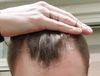
The conversation discusses concerns about potential hairline miniaturization and whether to start finasteride as a preventive measure. Recommendations include consulting a specialist and considering treatments like finasteride, dutasteride, minoxidil, and ketoconazole.
A 22-year-old male has been treating hairloss for over three years with various methods including minoxidil, finasteride, dutasteride, and other treatments, but continues to experience hair thinning. Despite trying multiple treatments and consulting with dermatologists and hair surgeons, the individual is frustrated with the ongoing hairloss and lack of progress.
Shedding stopped for a user after trying various hairloss treatments without success, including Propecia and Minoxidil. The improvement occurred after starting CB (possibly a hairloss treatment), Eucapil, natural sprays with rosemary and cloves, and regular sauna visits.
A 19-year-old male has been losing hair since 16-17 and feels more depressed after 6 months of using topical minoxidil and finasteride, which made his hair dry and greasy. Another user suggested switching to oral finasteride and provided tips for using topical minoxidil to reduce greasiness.
A 21-year-old male suffering from male pattern baldness is using topical finasteride and minoxidil, and oral minoxidil. His bloodwork shows normal DHT levels and slightly high testosterone, leading to discussions about the role of DHT sensitivity in hairloss, the potential impact of finasteride on his DHT levels, and the suggestion to proceed with oral finasteride due to his high testosterone.
The conversation discusses hairloss treatments, including oral finasteride, topical minoxidil, and microneedling, and the potential impact of Vitamin D and folic acid deficiencies on hair regrowth. It suggests that while male pattern baldness is the primary cause, addressing vitamin deficiencies may aid in improving regrowth.
The user has been experiencing diffuse hair thinning despite using finasteride, minoxidil, dermarolling, clobetasol cream, and PRP sessions. They seek advice on additional treatments and are advised to check vitamin D, iron, and thyroid levels.
The user has been experiencing sudden and aggressive hair shedding despite using oral dutasteride and topical minoxidil for six years, and recently added topical finasteride without improvement. Possible causes discussed include stress-related hairloss, dietary changes, or high DHT sensitivity, with suggestions to consult a doctor and consider adjusting treatments.
A user discusses fighting hairloss without finasteride, using minoxidil, ketoconazole shampoo, saw palmetto, pumpkin seed oil, pygeum, stinging nettles, biotin, a boar bristle brush, and a derma roller. Replies suggest finasteride is necessary for effective hairloss prevention.
Hairloss in moms can be caused by hormonal changes, stress, genetics, and nutritional deficiencies. Solutions include hair toppers, Minoxidil, PRP therapy, and a healthy diet with supplements.
The conversation discusses hairloss treatments, focusing on the use of finasteride and minoxidil. It suggests starting with finasteride alone to assess its effectiveness before adding other treatments like minoxidil, while noting that biotin and caffeine shampoo are unlikely to help unless there's a deficiency.
Users discuss hairloss and styling techniques to conceal thinning hair, mentioning treatments like finasteride and oral minoxidil. Some stop hairloss but not regrow hair, considering options like scalp micropigmentation or hair transplants.
The conversation discusses using natural alternatives like saw palmetto, pumpkin seed oil, pygeum, and nettle extract for hairloss, alongside treatments like nizoral, dermastamp, red light, and rosemary oil. Opinions vary, with some users skeptical about the effectiveness compared to finasteride, and concerns about potential side effects.
The struggles of hairloss at a young age and available treatments, such as medication (Finasteride, Minoxidil, Dutasteride, Derma Rolling) and potential options for hair systems or cloning in Japan. People discussed their own experiences with trying to cope with the emotional aspects of this condition.
A user questioning if they've lost any hair between 2020 and 2023 without using any treatments. They also inquire if a doctor can determine hairloss just by looking, recalling a past suggestion of platelet rich plasma treatment.
22-year-old male started finasteride a month ago, experiencing increased hairloss and visible scalp. Unsure if treatment is working or if doing something wrong.
The conversation humorously discusses hairloss treatments, mentioning Minoxidil, finasteride, and RU58841. It suggests that affordable genetic therapy could be the ultimate solution.
A 20-year-old is experiencing hairloss and has tried Minoxidil, ketoconazole shampoo, dermarolling, Biotin, Selenium, Zinc, and a shampoo with various ingredients but is still losing hair. They had side effects from topical finasteride and are considering RU58841 but are concerned about past heart issues.
A 19-year-old male with seborrheic dermatitis (SD) experienced significant hairloss and uses keto shampoo, zinc, and Nizoral to manage it. He inquires about the potential for regrowth and whether adding finasteride would help.
A 24-year-old male is concerned about hairloss, possibly at Norwood stage 3 to 5, and has started using Minoxidil, shampoo, and hair fibers, while planning to get finasteride. He is worried about the shedding process affecting his progress.
A 22-year-old is struggling with hairloss despite using treatments like minoxidil, finasteride, dutasteride, castor oil, rosemary, argan oil, and microneedling. Stress and poor sleep are worsening the condition, and they seek advice as current treatments have been ineffective.
A 32-year-old man from Vietnam, at Norwood 7 hairloss, is using Minoxidil, Finasteride, rosemary oil, NMN, and CoQ10 to regrow hair. Despite minor improvements, alternatives like hair systems or accepting baldness are suggested due to advanced hairloss.
Poor gut health may contribute to hairloss and scalp inflammation, with treatments like finasteride, minoxidil, and Nizoral being used. Improving gut health and addressing inflammation might help alleviate symptoms.
A user diagnosed with Crohn's disease is concerned it might contribute to balding. They have been using keto shampoo, finasteride, and oral minoxidil, which improved their hair but not significantly.
A user discusses their struggle with female pattern baldness, mentioning that Minoxidil helped initially but their hair health declined after stopping a specific diet. They seek advice on managing oily, brittle hair and mention using an egg yolk and olive oil mixture as a temporary solution.