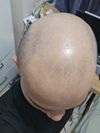
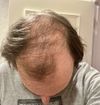
25-year-old male with Norwood 2 hair loss tried PRP injections without success. Dermatologists didn't recommend finasteride or minoxidil, but suggested PRP + Mesotherapy for 50% improvement.
The user has been using finasteride, minoxidil, retinoid, and occasional microneedling for hair loss with good results. They recently added stemoxydine, which improved their hair further, and suggest trying it, especially in the EU where it's easily available.
The review discusses traditional hair loss treatments like minoxidil and finasteride, and newer options like Low-Level Laser Therapy, microneedling, and platelet-rich plasma for androgenetic alopecia. It highlights the need for more high-quality trials to assess these treatments' effectiveness and standardized protocols for emerging therapies.
The user is seeking recommendations for topical saw palmetto and pumpkin seed oil products to treat early male pattern baldness and is considering different options available online. They are specifically asking which saw palmetto product to choose between two provided links.
A 29-year-old considering hair loss treatment received advice to explore a theory on androgenic/anabolic balance and was encouraged to read a beginner's guide for better recovery chances. The user expressed gratitude and willingness to try the suggested approach.
The user was diagnosed with DUPA and initially treated with finasteride, then switched to dutasteride which worsened their hair loss. They are now returning to finasteride and adding treatments including oral minoxidil, Proscar, Viviscal, pumpkin seed oil, LLLT, and Nizoral shampoo, hoping for hair regrowth.
The dermatologist diagnosed androgenic alopecia and prescribed minoxidil and a shampoo for dandruff, avoiding finasteride due to side effects. The user questions the dermatologist's approach and considers seeking a second opinion due to concerns about the lack of a physical scalp check initially.
The user received a Fagron TrichoTest indicating that Finasteride, Dutasteride, and Minoxidil are not effective for them, recommending Latanoprost, Spironolactone, IGrantine-F1 TM, and Trichoxidil instead. Other users expressed skepticism about the test's validity and suggested sticking with proven treatments like Finasteride and Dutasteride.
A 31-year-old male with androgenetic alopecia and seborrheic dermatitis is considering starting finasteride and minoxidil for hair loss, while also using ketoconazole and salicylic acid shampoos for scalp treatment. He is concerned about the timing of starting finasteride and potential side effects, and seeks advice on whether to prioritize scalp health or begin hair loss treatments simultaneously.
Finasteride reduces DHT production, so blood tests can track hormonal changes. Pyrilutamide blocks androgen receptors without altering hormone levels, making blood tests less useful for detecting its effects.
The user experienced intensified hair thinning after 10 years on finasteride and saw little improvement after switching to oral minoxidil and dutasteride for 8 months. Suggestions included continuing dutasteride for another 6-8 months, considering additional treatments like topical finasteride, and evaluating nutrition and other potential causes of hair loss.
The user is considering switching their hair loss routine from taking finasteride daily to a combination of finasteride six times a week and dutasteride once a week. They are seeking advice on this potential change.
The user checked iron, ferritin, B12, zinc, testosterone, DHT, and estrogens to understand hair loss causes and the effects of dutasteride. They also noted increased heart rate and paleness with oral minoxidil.
A user shared their positive experience with the telehealth service DocBright, highlighting its affordability and effectiveness in prescribing finasteride, oral minoxidil, and ketoconazole. They noted the service's unique ability to provide a prescription at age 17 but criticized the unprofessional communication with the dermatologist.
The safety of combining alfatradiol and fluridil with finasteride as a potential treatment for male pattern baldness, which is approved in the European Union. Other treatments such as minoxidil and RU58841 were also discussed.
A male in his early 20s with CCCA (scarring alopecia) started treatment with Finasteride, Fluocinolone, and Doxycycline. Steroid injections were suggested but not yet done.
The user is seeking a doctor to prescribe finasteride for a receding hairline and thin hair, considering using minoxidil and supplements as well. Suggestions include using telehealth services or local doctors for prescriptions and exploring non-surgical treatment options with dermatologists.
The user is seeking advice on maximizing hair growth while using oral finasteride, topical minoxidil, Nizoral, and microneedling, and is considering adding a laser diode cap, topical finasteride, retinol, and caffeine. Suggestions include using tretinoin with minoxidil for better absorption, switching to dutasteride, and considering RU58841 or pyrilutamide.
Oral PTD-DBM was discussed as a potential hair loss treatment, but it was deemed ineffective in humans despite promising results in mice. The conversation concluded that trying it without VPA might be unwise.
A 27-year-old male is using a hair loss treatment regimen including topical minoxidil, oral finasteride, dermarolling, ketoconazole shampoo, and mesotherapy with dutasteride and vitamins. He is considering switching to oral dutasteride as recommended by his doctor and questions the necessity and cost of mesotherapy.
A 21-year-old male with advanced hair loss (NW7) started using finasteride and minoxidil 10 months ago but hasn't seen much progress. He is pre-diabetic with stage 1 hypertension and is seeking insights on whether treating these conditions could improve hair regrowth.
PCOS female visited doctor for hair loss concerns, prescribed spironolactone and minox 5%. Doctor advised against finasteride or dutasteride, user considering self-medication with dutasteride.
A 21-year-old with a family history of early balding is advised to see a dermatologist to confirm androgenetic alopecia (AGA) and consider treatments like finasteride or dutasteride to prevent further hair loss, and minoxidil, possibly with tretinoin, to regrow hair. Caution is advised with oral minoxidil, and a cardiologist should be consulted before use.
The individual is experiencing hair loss due to insulin resistance (IR) and is seeking advice. They are currently using a keto diet, supplements, exercise, and plan to add metformin to their regimen.
A user is experiencing facial bloating from low-dose topical finasteride due to high estradiol levels and is seeking advice on using DIM to manage this issue, including dosage and brand recommendations.
The user has androgenetic alopecia (AGA) and low Vitamin D levels, and they started using topical minoxidil (5%). They are considering finasteride but are concerned about side effects and are advised to seek mental health support.
The user is experiencing aggressive hair loss and has been using minoxidil with initial success but is now seeing thinning again. They are considering starting finasteride and dermarolling while waiting for a dermatologist appointment.
The user is experiencing hair thinning and receding sides and is seeking advice on starting finasteride and minoxidil. They are asking about dosage, whether to use oral or topical minoxidil, and for brand recommendations.
The user is experiencing significant hair loss and is considering treatments like minoxidil, finasteride, and possibly a hair transplant. They are advised to consult a dermatologist and consider oral minoxidil and dutasteride, while being aware of potential side effects and the need for ongoing treatment.