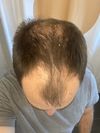
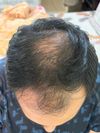
A 39-year-old is starting a hair loss treatment with 1.25mg finasteride and 2.5mg oral minoxidil twice daily, sharing baseline pictures and hoping for significant results. Progress updates will follow.
The user has maintained hair thickness using oral finasteride and minoxidil for four years, with suggestions to consider dutasteride or a hair transplant for further improvement. Some users recommend trying topical minoxidil with tretinoin or increasing the oral minoxidil dose for better results.
The conversation is about choosing the right concentration of tretinoin cream to enhance the absorption of minoxidil for hair loss treatment. The options discussed are 0.5, 0.05, 0.25, and 1mg/g concentrations.
The user has been using oral finasteride and topical minoxidil for years and recently started 2.5 mg oral minoxidil, with no significant regrowth observed yet. They are considering adding tretinoin cream to their regimen but are concerned about potential shedding.
User experienced good results with topical finasteride, noting reduced DHT and increased testosterone. They plan to revert to a lower dosage after observing slight libido reduction.
The conversation discusses combining topical and oral finasteride to address hair thinning, with concerns about safety and effectiveness. Users also mention alternatives like dutasteride and minoxidil, and the potential risks of topical treatments during pregnancy.
OP is considering using Stemoxydine or the Ordinary Multi Peptide Hair Serum as a carrier for topical finasteride, avoiding minoxidil due to palpitations. They plan to crush finasteride pills into a 30 ml solution.
.
This conversation is about a user's progress while using minoxidil and finasteride to treat hair loss, with emphasis on taking oral finasteride at night before bed for optimal results. They also discuss the brand of medication being used (Morr F 5%) and the importance of taking a generic version of the same drug.
Treatments for hair loss, including the experiences of topical finasteride and oral dutasteride. It also discusses Pyrilutamide, 0.025% topical concentration, Minoxidil, RU58841, and 1% finasteride gel dosage.
The user shared progress pictures after 10 months using Dutasteride 0.5 mg (Avodart) and Minoxidil 5% (Kirkland) for hair loss. They also lost weight, improving their appearance and making them look younger.
Users discussed experiences with Everychem's solution similar to PP405 for hair loss, noting some positive results like increased hair thickness and new growth. There was skepticism about the product's legitimacy and safety, with some users reporting early signs of effectiveness and others expressing concerns about the lack of evidence and safety profiles.
The post and conversation are about a user's 6-month progress using topical dutasteride, 8% minoxidil, tretinoin, 2% ketoconazole shampoo, microneedling, oral finasteride, pumpkin seed oil, Vitamin D3, a men's multivitamin, rosemary oil, and 5% minoxidil foam for hair loss treatment.
The user experienced significant hair regrowth on temples and beard using a combination of Dutasteride, Tretinoin, and topical Minoxidil, but stopped oral Minoxidil due to heart pain. The user switched from Finasteride to Dutasteride due to aggressive hair loss.
A 31-year-old Indian male has been using oral minoxidil and finasteride for hair loss without visible improvement. He is considering taking DUT tablets against his doctor's advice due to potential side effects and is contemplating buzzing his hair instead.
The user discusses using Follics FR5, FR10, and FR15, which combine Minoxidil, Adenosine, Procapil, Azelaic acid, and Procyanidin B2, to address hair loss. They have previously used Minoxidil, Finasteride, and Dutasteride with varying success.
The user has been using finasteride for over two years with mixed results and is considering starting dutasteride and oral minoxidil, though both are hard to obtain. They are also contemplating a hair transplant in the future due to diffuse thinning.
The user started using oral minoxidil and estradiol in August 2025, added finasteride in December, and experienced significant hair shedding in February/March. They switched to estradiol injections and are considering their hair washing routine, while another user suggested consulting a dermatologist and possibly trying dutasteride.
The user experienced significant hair regrowth using 1mg oral finasteride, DIM, and beetroot powder, while also focusing on gut health and reducing alcohol intake. Other users discussed the importance of iodine, fermented foods, and maintaining a balanced diet for overall health and hair improvement.
The user has DUPA and suspects autoimmune activity as a cause. They have tried various treatments including finasteride, minoxidil, dutasteride, pyrilutamide, estrogel, hydrocortisone, and clobetasol, and are now seeking a long-term immunosuppressant.
The user shared their personal experience with hair loss, hormone imbalances, and treatments including testosterone boosters, natural estrogen blockers, and DHEA. They suggest that low-dose finasteride and natural hormone therapy could reduce hair loss with fewer side effects.
Fluridil, a non-steroidal anti-androgen approved for alopecia in parts of Europe, is noted for its low side effects but is not commonly discussed. The user is inquiring if anyone prefers it over other anti-androgens like Spiro or RU58841.
The conversation discusses a topical hair loss treatment containing 0.1% dutasteride, 6% minoxidil, tretinoin, and ketoconazole. The user is asking for opinions on the effectiveness of this solution.
A user is experiencing hair regrowth after 2.5 months using dutasteride and a daily spray containing finasteride, minoxidil, biotin, and ketoconazole. They are optimistic about continued progress and have noticed new dark hairs forming.
High DHEA levels may contribute to hair loss by increasing DHT in hair follicles, potentially explaining why finasteride is ineffective for some. Treatments like high-dose dutasteride and RU58841 are suggested, but the underlying cause, such as adrenal issues, should be investigated.
The user stopped using Alfatradiol after 4 months due to no hair improvement and side effects like dry scalp and gallbladder pain. They are considering trying topilutamide, which is suggested as an alternative.
The conversation is about DIY Dutasteride mesotherapy for hair loss, focusing on creating an injectable treatment to target the scalp and limit side effects. The user seeks feedback on enhancing the treatment with additional ingredients.
The user "mynameisbogus" shared their hair loss progress using various treatments including Dutasteride, RU, oral minoxidil, topical treatments, microneedling, dermastamping, rosemary oil, and scalp massaging. Other users commented on the extensive regimen and expressed their opinions.
Adding RU58841 to Dutasteride treatment helped reduce hair shedding significantly for several users. Some reported no change with RU58841, while others experienced a dramatic decrease in shedding and increased hair density.
PP405 is a new hair loss treatment that may outperform minoxidil and finasteride by growing thick hair in bald areas within four weeks. Its release is expected around 2028, but concerns about its long-term efficacy and cost remain.
The conversation discusses hair loss treatments including finasteride, minoxidil, derma rolling, and tretinoin, with the user showing progress after five months. Tretinoin is mentioned to enhance the effectiveness of minoxidil.