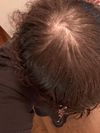
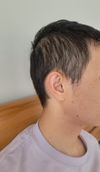
RU58841 helped regrow hairline without side effects for a bodybuilder using PEDs. The treatment included RU58841, finasteride, minoxidil, GKH-Cu, microneedling, and HGH.
The user experiencing diffuse hair loss is using various treatments including RU58841, finasteride, minoxidil with tretinoin, anti-hair loss shampoo, and microneedling, and is considering adding peptides TB500, BPC157, and GHK-Cu. They have low growth hormone levels and are questioning its impact on hair loss, while another user suggests androgenic alopecia and androgens are likely the main cause of hair loss.
Exosomes combined with fractional picosecond laser treatment were effective in treating androgenetic alopecia and promoting repigmentation in white hair patches. The role of exosomes in hair repigmentation, particularly in conditions like poliosis, is not well-studied.
PP405 shows promise for hair growth with significant results after 4 weeks, but skepticism exists due to its unavailability. Some users are hopeful for its potential, while others express concerns about side effects and market release delays.
Genetic factors, enzyme activity, and DHT sensitivity affect individual responses to hair loss treatments like finasteride, minoxidil, and dutasteride. Starting treatments early can slow hair loss, but results vary among individuals.
A 19-year-old male has been using topical finasteride and minoxidil for 8 months with no progress and is considering seeking a second opinion due to potential misdiagnosis. The discussion revolves around whether the hair loss is due to male pattern baldness, alopecia areata, or a vitamin deficiency.
Some people don't see results with FDA-approved hair loss treatments like finasteride or minoxidil due to underlying issues. The video suggests addressing these issues, especially if there are atypical symptoms or other health conditions.
The user is experiencing thinning at the temporal points and has been using minoxidil, dermarolling, and a mixture of natural oils to improve hair growth. They are considering finasteride as a potential treatment based on shared information.
User experienced hair kinking after starting minoxidil, despite being on finasteride for two years. Another user confirmed similar issues and suggested switching brands due to propylene glycol in minoxidil.
User taking 1mg finasteride daily for 2 years, wants to block more scalp DHT. Seeks reference for additional topical DHT blockers like alfatradiol and fluridil.
A 24-year-old man is experiencing hair shedding after starting Minoxidil and Creatine, and is concerned about accelerated hair loss. A user suggests that Creatine does not increase DHT levels and recommends considering oral Dutasteride, low-dose oral Minoxidil, and Ciclopirox Shampoo, advising consultation with a doctor.
The conversation discusses topical androgen receptor blockers for hair loss, mentioning Clascoterone, Pyrilutamide, GT20029, and RU58841. Ketoconazole's effectiveness and application methods are also debated.
The user is experiencing excessive hair thinning and is unsure of the cause. They are seeking opinions on treatments like Minoxidil, finasteride, and RU58841.
Norwood 7 hair loss is often excluded from trials to ensure treatments appear more effective and to reduce costs. Some believe treatments effective for Norwood 5 could work on Norwood 7, but companies prioritize market readiness.
The conversation discusses the use of RU58841 for hair loss, with concerns about its legality in Germany and potential legal consequences. Alternatives like finasteride and dutasteride are mentioned, with some users questioning the effectiveness and safety of RU58841.
A user has been experiencing hair loss for 4 years, with treatments like minoxidil, finasteride, and various supplements proving ineffective. They were diagnosed with fibrosing alopecia in a pattern distribution, a condition that may require a combination of anti-inflammatory and hair growth treatments.
Minoxidil increases hair count despite high prolactin being linked to hair loss. Blocking DHT is effective, but not always necessary; HMI-115 is a promising treatment for androgenetic alopecia.
A 21-year-old male suffering from male pattern baldness is using topical finasteride and minoxidil, and oral minoxidil. His bloodwork shows normal DHT levels and slightly high testosterone, leading to discussions about the role of DHT sensitivity in hair loss, the potential impact of finasteride on his DHT levels, and the suggestion to proceed with oral finasteride due to his high testosterone.
The conversation discusses how different factors can stimulate type 1 and type 2 isoforms of 5-alpha reductase, which are enzymes linked to hair loss. Specific treatments mentioned include oral Dutasteride and topical Finasteride.
Hair loss discussion includes potential HMI-115 treatment. Topical mucuna pruriens shows good results, blocking prolactin possibly more important than blocking DHT.
A user found a solution for Minoxidil-induced dandruff by using a custom NRF 11.121 mixture from a local pharmacy, which includes ingredients like Isopropyl palmitate and Cremophor RH 40. This formulation prevents dryness and allows better penetration when using hair shaders.
Blocking DHT is not a cure for hair loss; instead, altering how scalp follicles respond to DHT might be more effective. Current treatments like topical finasteride and minoxidil are temporary solutions, and future approaches may involve gene therapy and bioengineering to change follicle behavior.
A 29-year-old is using 1mg oral finasteride and 50mg/g topical minoxidil daily for hair loss, with plans to reduce minoxidil use due to greasiness and considering a hair transplant for receding temples. No side effects from finasteride were reported, and many users suggest a transplant may not be necessary due to good hair density.
The user has been experiencing hair loss since having COVID and has low vitamin D levels; they are seeing some improvement in their crown and hairline after starting vitamin D supplements. Commenters suggest the hair loss pattern is consistent with male pattern baldness (MPD) and varies by individual.
A new hair loss treatment, PP405, showed promising Phase 2a results with 31% of patients experiencing over 20% hair density increase without systemic absorption, avoiding hormonal side effects. The treatment is expected to be expensive, with Phase 3 trials starting mid-2026, and there is skepticism about the data's strength.
A user experienced rapid hair loss despite taking finasteride 1mg and undergoing PRP treatment. They also take a supplement with biotin, iron, zinc, and calcium but have not seen improvement.
A 57-year-old man with male pattern hair loss and insulin resistance experienced hair regrowth and weight loss after using tirzepatide, without other hair treatments. Dysregulated glucose metabolism is linked to hair loss, with tirzepatide potentially improving hair density by normalizing insulin resistance.