The conversation is about a user inquiring about a hair loss treatment product that contains minoxidil, azelaic acid, retinol, and caffeine, and whether it is more effective than Regaine foam. No specific treatments or outcomes are discussed.
The potential effectiveness of homemade topical spironolactone in treating hair loss, with studies suggesting it is more effective than finasteride and even minoxidil when used as monotherapy. The conversation also mentions that other anti-androgens are being developed which may soon hit the market.
Start with 0.025% tretinoin to enhance minoxidil effectiveness, gradually increasing to 0.05% to avoid scalp irritation. Users experienced redness, inflammation, and dandruff when introducing tretinoin too quickly.
Spironolactone and finasteride are not recommended for women planning pregnancy due to birth defect risks. Both need to be stopped months before conception, and finasteride is generally not advised for women.
The conversation is about using Sandalore for hair loss and whether to mix it with Morr-F, alcohol, or a scalp oil. Users discuss the effectiveness of different carriers like propylene glycol and hemp oil for better absorption.
The conversation is about making homemade topical finasteride by crushing pills and mixing them with ethanol and propylene glycol or minoxidil. Users discuss sourcing options and share experiences with DIY solutions.
The user plans to mix Kirkland minoxidil with spironolactone tablets for hair loss. They cannot use finasteride, saw palmetto, or spearmint tea due to side effects like insomnia and low testosterone.
A user asked if olive oil can replace propylene glycol or glycerin in topical finasteride preparation. Another user advised against it, suggesting MCT oil instead due to olive oil's potential to worsen dandruff and seborrheic dermatitis.
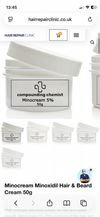
A user is considering switching from a 5% minoxidil spray to a minoxidil cream for easier application and less greasiness. They are inquiring about the Hair Repair Clinic 5% minoxidil cream, which includes optional tretinoin and other ingredients like isopropyl myristate and beeswax.
Ursolic acid, found in apple peels, lemongrass, rosemary, and lavender, may have anti-androgen effects similar to finasteride. It might be beneficial for hair health when used with other treatments like Minoxidil, Finasteride, and RU58841.
Clascoterone cream was submitted for review to Health Canada in August 2022, with hopes of approval within 3-6 months. It may potentially enhance finasteride's effects for hair loss treatment.
The conversation discusses confusion over the dosage calculation of a topical solution containing 0.25% finasteride, 5% minoxidil, and 0.001% tretinoin. The user considers switching to a 0.025% finasteride solution to enhance the effects of tretinoin and minoxidil.
A user with androgenetic alopecia is using 8 ml of 1.4% topical spironolactone solution daily but is unsure if this amount is excessive, as 2 ml is more typical. They seek advice on the appropriate amount to apply.
Minoxidil combined with tretinoin may improve hair regrowth due to their synergistic effects. Using a gel with 0.025% tretinoin and antibiotics might still be beneficial.
A user experienced rapid hair loss and was prescribed Desonide cream for mild Alopecia. They are seeking feedback on its effectiveness and potential side effects.
A user wants to make a solution for RU58841 and finasteride powder using only glycerin and asks if ethanol is necessary. They are seeking advice on whether glycerin alone is sufficient.
The conversation discusses the storage and use of pyrilutamide for hair loss, where one user advises against keeping it in the freezer as it may crystallize the active compounds.
The post discusses using Carnitine Tartrate, Potassium Chloride, and Niacin to reduce hair shedding, with the user experiencing significant improvement. The user also suggests considering a ketogenic/paleo diet for those with insulin resistance-related hair loss.
The user wants to mix 0.2 ml of RU58841 solution with 2 ml of Alfatradiol to use 10 mg of RU58841 daily due to concerns about side effects. They are asking if this combination would be effective for hair loss treatment.
A user seeks a minoxidil and tretinoin foam-based product for improving a patchy beard in India. They are unsure about the safety of alcohol-based options for beard use.
A user is seeking advice on creating a homemade finasteride foam similar to over-the-counter Minoxidil foam, due to issues with glycerin and propylene glycol in their current solutions. They are considering using a mixture of ethanol/alcohol and water for the foam.
The user is concerned about the interaction between dutasteride and ketoconazole, leading them to stop using ketoconazole shampoo, which has resulted in an oily and painful scalp. They are unsure whether ketoconazole increases or decreases the potency of dutasteride.
A 35-year-old man has been using a topical solution with finasteride, minoxidil, retinoic acid, and hydrocortisone for hair regrowth, experiencing minor side effects. He plans to remove hydrocortisone due to potential long-term health risks.