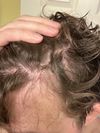
The user started finasteride and experienced increased shedding for five months. They are concerned about how low vitamin levels might affect the shedding and effectiveness of finasteride.
The user experienced facial puffiness after switching from finasteride to dutasteride, which they believe is due to dutasteride. They are seeking advice on reversing this effect, considering factors like diet, exercise, and potential hormonal changes.
Alfatradiol is often discussed at a 1% concentration, but studies typically use 0.025%. Some users report success using it as a topical treatment alongside other hair loss treatments like finasteride.
Finasteride and dutasteride are still available in the EU, with a warning about potential suicidal thoughts. The benefits of these treatments are deemed greater than the risks.
The conversation discusses hair loss treatments, specifically RU58841, with mentions of side effects from finasteride and dutasteride. Alternatives like Pyri, KX-826, and Breezula are also mentioned.
CHK-Cu (copper peptide) and C-60 (branched carbon chain) are discussed as potentially more effective than minoxidil for hair regrowth. Some users are skeptical about the claim that DHT isn't the root cause of hair loss, and others are trying these products to see if they work.
DLQ01, a prostaglandin F2α analog, shows promise for hair growth by directly stimulating PGE2/PGF receptors without needing conversion, and can be combined with minoxidil and retinoids like tretinoin for enhanced effectiveness. Minoxidil's efficacy may be reduced by COX-1 inhibitors, but using prostaglandin analogs like Latanoprost or Bimatoprost can help maintain its effectiveness.
The conversation discusses the use of creatine while on finasteride and/or dutasteride for hair loss. Opinions vary, with some users reporting no issues and others experiencing accelerated hair loss, suggesting effects are individual.
PP405 shows promise as a hair loss treatment, with 31% experiencing increased hair density in a short trial. It may complement treatments like finasteride and minoxidil, but long-term effectiveness and safety need confirmation.
A user reports significant hair density increase and new growth at the temples after two months of using finasteride, minoxidil, ketoconazole, dermarolling, MK-677, zinc, and vitamin D3, with shedding stopping a week ago. They recently added MK-677 to their regimen.
Switching from daily 0.5mg dutasteride to three times a week may reduce side effects without worsening hair loss. Bloodwork showed no abnormalities, supporting the change.
The user is using oral and topical minoxidil, finasteride, dutasteride, and considering adding rosemary and pumpkin saw palmetto to their regimen. They report significant hair growth, especially with dutasteride, and are considering increasing their dose and adding RU58841.
The conversation humorously discusses using off-label drugs like Minoxidil, finasteride, and RU58841 for hair growth. It jokes about the brain absorbing these treatments for maximum keratin production.
The conversation discusses using GFM Gel, a topical gel with polypeptides that mimic growth factors to promote hair regrowth and strengthen hair. It also mentions treatments like Minoxidil, finasteride, and RU58841 for hair loss.
The user achieved significant hair regrowth using only dutasteride, noticing results after 8-9 months despite initial shedding. They did not use minoxidil due to inconvenience but still experienced permanent hair growth.
Chronic Telogen Effluvium can be managed by avoiding inflammatory foods, exercising, staying hydrated, and using supplements like krill oil, saw palmetto, or licorice root. Minoxidil is discouraged due to its cost and potential for worsening hair loss, while castor oil is recommended to strengthen hair roots and reduce shedding.
The conversation discusses hair loss treatments, mentioning minoxidil, finasteride, RU58841, VDPHL, GT20029, and follicle cloning as potential solutions. It also reveals that the discussion about PP405 was an April Fool's joke.
Oral PTD-DBM was discussed as a potential hair loss treatment, but it was deemed ineffective in humans despite promising results in mice. The conversation concluded that trying it without VPA might be unwise.
Finasteride is the most effective treatment for reducing DHT and addressing hair loss compared to fish oil and saw palmetto. Topical treatments like RU58841 and minoxidil are also discussed, but finasteride remains the most effective option.
The conversation is about the effectiveness and safety of using 2.5mg of Dutasteride for hair loss. Users discuss the high scalp DHT suppression rates but caution against high doses due to potential side effects and recommend consulting a doctor.
The user is using finasteride, RU58841, and various natural supplements and treatments like seamoss, fish oil, and black rice water spray to combat hair loss, avoiding minoxidil due to dependency concerns. They report thicker hair and regained confidence, while discussing the potential risks and benefits of RU58841 with others.
Minoxidil can cause dark circles and skin issues, and users suggest reducing dosage or switching to foam. Supplements like vitamin C, glycine, and MSM may help with collagen production to reduce these side effects.
A user experienced positive hair regrowth after 108 days of using 0.5 mg daily Dutasteride and Alpecin caffeine shampoo, without Minoxidil. The discussion included advice on dosage, potential side effects, and comparisons with Finasteride and Minoxidil.
A user reported a significant reduction in DHT levels after 3 months of taking 1mg/day oral finasteride, along with using minoxidil foam, microneedling, and Nutrafol vitamins. They hope this will lead to hair growth and less shedding.
Switching from finasteride to dutasteride led to hair density loss, prompting consideration of returning to finasteride. Consistency with dutasteride and adding RU58841 did not prevent the loss, and users suggest giving dutasteride more time or consulting a dermatologist.
Carnosic acid in rosemary extract may enhance skin repair and promote hair follicle regeneration. It could be used alone or with verteporfin for scarless healing after dermal wounding.
The conversation is about someone's three-year experience with irregular derma rolling, Minoxidil, and Redensyl for hair loss, hoping to thicken areas with fine hair.
Taking finasteride 3 times a week can provide similar benefits to daily use with potentially fewer side effects. Some users switch to topical treatments or adjust dosages to manage side effects while maintaining hair health.