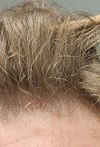
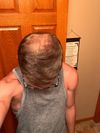
Transitioning from finasteride to dutasteride for hair loss, with suggestions to either slowly transition or frontload dutasteride. The user is also using minoxidil, nizoral, needling, and LLLT.
The user reduced their finasteride dosage and added vitamin D due to deficiency, questioning if this change could cause hair shedding. Another user suggests shedding is unlikely with this dosage change, but more likely with a stronger drug like dutasteride.
A user is concerned about hair loss and is hesitant to use medications like finasteride and minoxidil due to side effects, and is seeking natural alternatives such as garlic, biotin, and scalp massages. Suggestions include dermarolling, essential oils, and lifestyle changes like exercise and diet to improve blood circulation and block DHT.
The user resumed using topical finasteride after a two-week break and will update on side effects like water retention and gynecomastia in a month. They are also starting DIM and zinc.
The conversation discusses hair regrowth using oral minoxidil, oral finasteride, topical minoxidil, red light therapy, massage, and a keto diet. The user reports positive results and no negative effects on libido, attributing this to a healthy lifestyle and additional supplements.
A 31-year-old male experienced hair shedding after rapid weight loss and stopping vitamins, despite using minoxidil and other supplements. He is considering Saw Palmetto and Pumpkin Seed Oil instead of finasteride due to trying for kids, and is concerned about high ferritin and DHEAS levels.
The conversation discusses natural DHT blockers like rice bran oil, which may reduce 5α-reductase activity similarly to Minoxidil and Dutasteride. One user argues that finasteride is more reliable and effective than natural alternatives.
The post and conversation are about hair loss treatments and tips for healthier hair, including using a dermaroller, taking vitamins (D, omega 3, zinc, magnesium), and using a silk pillowcase. The user also inquires about the effectiveness of aloe vera and oils for hair.
The user is experiencing hair loss despite using finasteride three times a week due to side effects and is considering alternatives like topical finasteride, estrogen blockers, or dutasteride. They are also interested in potential treatments like GT20029 and pyrilutamide.
Setipiprant and Fevipiprant are questioned for their effectiveness in hair maintenance, with skepticism due to lack of convincing results beyond vellus hair growth. The user is satisfied with Minoxidil and Finasteride but is curious about the potential of DP2 inhibitors.
The user is exploring alternatives to hair transplants due to a weak donor area and is currently using finasteride, minoxidil, dermapen, low-level laser therapy, Nizoral shampoo, and a high-protein diet. They plan to switch to dutasteride and consider adding RU58841, while rejecting hair systems and considering a buzz cut.
User shared 12-month hair loss progress using oral minoxidil, oral dutasteride, and 2% ketoconazole shampoo. They detailed their medication regimen and dosages.
The user is concerned that drinking spearmint tea while on finasteride might harm sperm count, mobility, and testosterone levels, despite seeing positive effects on hair. They seek advice on whether to continue or stop the tea.
The user is considering switching from topical to oral finasteride due to lack of progress with their current hair loss treatment, which includes topical fin/min, microneedling, Nizoral shampoo, oral minoxidil, biotin, collagen, tretinoin, and hair masks. A suggestion was made to try oral finasteride for potentially better results and to monitor progress over 6-12 months.
The user is taking 1mg Dutasteride, 2.5mg oral Minoxidil, topical Minoxidil, 28mg iron, vitamin D3 + K2, and Selenium daily. They are concerned about their receding hairline despite good hair density and crown.
The user is experiencing diffuse thinning and inflammation despite using 2.5mg dutasteride daily, ciclopirox, and ketoconazole shampoos. They are considering treatments like hydroxychloroquine and JAK inhibitors due to suspected scarring alopecia and have faced challenges in obtaining a scalp biopsy.
The user has been using finasteride, minoxidil, vitamin B12, biotin, vitamin C, resveratrol, zinc sulfate, and Nizoral for 5 months without seeing results. Suggestions include reducing dermaroller frequency and trusting the process as more time may be needed.
The conversation discusses why CB-03-01, a potential hair loss treatment, isn't widely discussed despite evidence of its effectiveness and safety. Some users mention other treatments like melatonin, procianidin b2, and RU58841, debating their effectiveness and safety.
The conversation discusses hair loss treatments, specifically dutasteride, oral minoxidil, and microneedling. Users inquire about side effects, brands, and suggest using topical minoxidil.
A user struggled with hair loss and ineffective vitamin treatments from their doctor. They eventually obtained a finasteride prescription through a telemedicine service and felt relieved.
Slow, steady progress on hair loss treatments such as finasteride, minoxidil, microneedling and Nizoral; the need for patience when using these treatments over a period of months or years; and how to deal with discouragement due to slow progress.
Finasteride and Ashwagandha are discussed as potential treatments for hair loss, with mixed opinions on Ashwagandha's effectiveness and safety. Some users report no benefits from Ashwagandha, while others caution against its use due to potential liver issues.
The conversation discusses affordable hair loss treatments, including topical finasteride, minoxidil, tretinoin, and natural remedies like castor and peppermint oil. Specific treatments for hair loss are the focus.
A 30-year-old man is considering quitting Finasteride due to sexual side effects, including reduced libido and difficulty reaching orgasm, despite its effectiveness in treating hair loss. He is exploring other factors like relationship issues and potential low testosterone, and is considering getting blood work done.
A 28-year-old is experiencing hair loss despite using treatments like oral minoxidil, finasteride, and high-dose dutasteride (2.5 mg). They suspect lichen planus might be contributing to the issue and plan to continue treatment while monitoring progress.
The user is using a combination of hair loss treatments including dutasteride, minoxidil, RU58841, low-level laser therapy, ketokonozole, supplements, Viviscal, Nutrafol, microneedling, PRP, and scalp Botox injections, but is still experiencing hair shedding and thinning. Despite being on this regimen for two years, the user's hair condition is worsening, and they are seeking advice on what else they can do.
Omega 3 and 6 supplements are considered ineffective for hair growth by most users, with some suggesting they only help if combined with other nutrients or if the diet is poor. Users generally find traditional treatments like minoxidil and finasteride more effective.
The user is considering blood tests to understand their receding hairline and is exploring brewer's yeast for its biotin content. They have been using topical Minoxidil, biotin, collagen, and microneedling, but are avoiding oral Finasteride and Dutasteride.
User shared 1-year progress on Fin 1 mg, switching to 0.4 mg Dut and oral 1.25 mg Min. Good results with Fin, biotin supplement, and biotin shampoo; trying Dut and oral Min for potential better results.