The conversation is about using finasteride and KX826 for hair loss treatment. The original poster is using 0.25 mg of finasteride every other day due to side effects at a higher dose.
OP has been using alfatradiol and a mix of rosemary, peppermint, and jojoba oils for hair loss, with inconsistent dermapen sessions. They plan to add topical finasteride at 0.025% later.
PP405 is a potential hair loss treatment, but its safety and effectiveness are uncertain. Users advise caution and suggest waiting for more data before purchasing unverified versions.
Mixing Dutasteride with MCT oil may improve absorption due to its fat-soluble nature. Users suggest taking it with whole milk or using oil-based capsules for better effectiveness.
The conversation discusses using minoxidil, finasteride, spironolactone, and RU58841 for hair loss treatment. Users share experiences with these treatments, noting side effects and varying effectiveness.
The user does not respond well to minoxidil and is seeking an alternative to Tretinoin to upregulate sulfurtransferase activity for hair loss treatment. No specific alternative treatments were mentioned.
A 28 year old male experiencing diffuse thinning, chronic dandruff and scalp crust (seborrheic dermatitis), with replies discussing the use of topical fin for hormone imbalances and Nizoral for seb derm.
Finasteride has no effect on the user's estradiol levels, and body fat may influence aromatization. The user is on testosterone replacement therapy and uses everyday injections to manage high RBC count, with plans to measure DHT, DHEA-S, and pregnenolone levels.
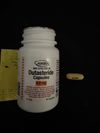
The user switched from finasteride to dutasteride to address temple hair loss and obtained generic oral minoxidil. They are questioning the legitimacy of Camber's dutasteride compared to other options.
Clascoterone 5% shows potential for hair thickening and darkening, especially when combined with treatments like finasteride. It may be a good alternative for those who experience side effects from other treatments.
The conversation discusses using gartanin from mangosteen mixed with castor oil to degrade the androgen receptor for hair loss treatment. Alternatives like setipiprant, minoxidil, and dermastamping are also mentioned, with concerns about cost and potential side effects.
Vitamin D deficiency might cause hair loss at the temples. The user has a vitamin D level of 9ng and is experiencing hair loss in that area, resembling a Norwood scale 1 (NW1) pattern.
Maximum serum DHT suppression for finasteride occurs at 8 hours, while for dutasteride, it occurs within 1 to 2 weeks with daily dosing. Dutasteride mesotherapy will be followed by blood tests to check serum DHT changes.
A 43-year-old male with advanced hair loss is experimenting with alternative treatments, including red light therapy, microneedling, scalp massages, an oil mix, and ketoconazole shampoo, after previously experiencing side effects from finasteride and minoxidil. He noticed some minor changes with red light therapy but remains skeptical about significant improvement.
A satirical post where someone claims to have developed a radioactive isotope scalp serum using Polonium-210 that outperforms Minoxidil and finasteride for hair regrowth. The serum reportedly stimulates DNA repair in hair follicles, leading to significant hair density increase, but the post is met with skepticism and concerns about safety.
A user reported that taking iron polymaltose significantly reduced their hair loss. They also mentioned hair loss due to DHT and asked if hair loss from iron deficiency is permanent or temporary.
The user has been using finasteride, minoxidil, and needling for 11 months with limited progress and plans to add sulforaphane for 3 months. Another user suggested trying Procyanidin B2 for better results.
A sugar gel called 2-deoxy-D-ribose (2dDR) shows potential for promoting hair regrowth by increasing blood supply to hair follicles, similar to Minoxidil, but its effectiveness in humans is unproven. It may benefit those who don't tolerate Minoxidil, but it is not a replacement for treatments like Finasteride or RU58841.
The user experienced side effects from finasteride and found improved mood and performance with DHT, but it worsened hair loss. They are considering options like TRT, HCG, and topical treatments like Saw Palmetto, but struggle with balancing hair preservation and functionality.
Korea launched its first OTC oral hair loss drug, dexpanthenol B5. Users discuss its anti-oxidative and anti-inflammatory effects but note a lack of efficacy studies.
The conversation discusses the effectiveness and side effects of DUT mesotherapy for hair loss. Users are seeking evidence and pictures of successful treatments.
Pelage is recruiting for phase 2 trials, showing promise for treating bald regions. The discussion highlights its potential effectiveness based on its mechanism of action.
The user follows an intensive hair loss protocol including dutasteride, biotin, black tea, pumpkin seed oil, peppermint shampoo, rosemary conditioner, mukemame, soy milk, lycopene, garlic, magnesium, chamomile, spicy food, citrus bergamot, zinc, multivitamins, kefir, and Greek yogurt. They plan to alternate between pumpkin seed oil and safflower oil and will share before and after pictures.
Clascoterone powder is now available, but it's expensive and not widely discussed due to past ineffective results at higher concentrations. Users are skeptical about its effectiveness and are seeking reliable sources.
The conversation discusses the potential of PP405 as a hair loss treatment, with some users expressing skepticism and others hopeful about its development. There is also mention of other treatments like Minoxidil, Finasteride, and Pyrilutamide, with users debating the effectiveness and safety of self-experimentation versus waiting for clinical trial results.
The user experienced severe hair shedding despite using oral finasteride, minoxidil, dutasteride, and RU58841, and was diagnosed with Non-Alcoholic Fatty Liver Disease (NAFLD). They are considering switching to topical treatments due to the ineffectiveness of their current regimen.
Topical melatonin was found to significantly increase hair density and decrease scalp conditions like seborrheic dermatitis. The user is considering using it alongside finasteride and oral minoxidil for treating hair loss and scalp health.
Dr. Tsuji's stem cell hair multiplication procedure may offer a future solution for hair loss, but it is initially expected to be very expensive, with prices potentially decreasing over time. In the meantime, users discuss using treatments like finasteride, despite side effects, to manage hair loss.
The conversation is about a user's 3-month hair loss treatment using topical minoxidil, oral finasteride, a derma roller, ketoconazole shampoo, rosemary oil, and vitamin D supplements, alongside weight loss. Users discuss shedding, vitamin D benefits, and reducing sugar intake.
PP405 is a new hair loss treatment advancing quickly in trials, generating excitement and skepticism about its effectiveness and marketing claims. Some see it as a potential alternative to minoxidil and finasteride, but concerns about long-term effects and the need for DHT blockers persist.