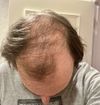
Male Pattern Baldness, and identifying early signs of it. The treatments discussed to combat and slow balding include finasteride, dutasteride and minoxidil.
A person struggling with hairloss is using treatments like dutasteride, oral minoxidil, and has had a hair transplant but remains deeply unhappy. Others suggest alternative treatments, acceptance, and focusing on other life aspects, emphasizing mental health and therapy.
Finasteride is effective for maintaining hair and stopping hairloss, with many users experiencing long-term success and minimal side effects. Some users consider switching to Dutasteride or adding Minoxidil for additional regrowth.
A 24-year-old male has been using oral Minoxidil (2.5mg daily) and daily Dutasteride for hairloss, noticing slight thickening but no major regrowth. Users suggest increasing Minoxidil dosage to 5mg and maintaining consistency, with some recommending additional treatments like topical Minoxidil or considering a hair transplant in the future.
A man is worried about telling his girlfriend he uses finasteride for hairloss. Most responses suggest it's not a big deal and advise being open if it comes up naturally.
A 23-year-old male saw significant hair improvement after using topical minoxidil for five years and oral finasteride for one year. He is considering adding dutasteride weekly and continues using Head & Shoulders and Stiproxal for dandruff control.
A user shared their 16-month hair regrowth progress using finasteride, oral minoxidil, and micro-needling, noting significant improvement and minor side effects like stray ear hairs. Consistency in treatment was emphasized, with noticeable hair improvement within the first 6 months.
The user feels hopeless about hairloss despite using finasteride, dutasteride, minoxidil, and RU58841, and having a hair transplant. They are advised to maintain consistency in treatment, consider increasing dutasteride dosage, and explore topical solutions for better results.
The user is experiencing continued hair thinning despite taking Finasteride 1 mg daily for over a year and is hesitant to try Minoxidil due to potential side effects and inconsistency. Suggestions include trying topical Minoxidil once a day, considering oral Minoxidil, and possibly getting a skin biopsy to determine the type of hairloss.
A 39-year-old user has been using topical 0.3% finasteride with 6% minoxidil for almost 7 months without seeing significant improvement in hair regrowth. They are considering switching to a gel with higher minoxidil concentration, adding retinoic acid, or trying topical dutasteride, while others suggest returning to 5% minoxidil foam, adding oral finasteride, or exploring microneedling and lifestyle changes.
Clascoterone (Breezula) shows a potential 500% increase in hair growth, possibly outperforming minoxidil and finasteride. It is in advanced trials, with hopes for FDA approval, but cost and side effects are concerns.
Bee venom at 0.001% concentration was more effective than 2% minoxidil in promoting hair growth in mice, possibly due to increased growth factors and reduced inflammation. Caution is advised due to potential allergic reactions and the reliance on animal data.
A user reported significant hair regrowth using a homemade 0.01% topical finasteride solution, highlighting its effectiveness and lack of side effects. The discussion included concerns about oral finasteride's side effects and the benefits of topical solutions.
The user is experiencing significant hairloss and is considering treatments like minoxidil, finasteride, and possibly a hair transplant. They are advised to consult a dermatologist and consider oral minoxidil and dutasteride, while being aware of potential side effects and the need for ongoing treatment.
Scientists claim a combination of caffeine, two proteins, and Centella asiatica extracts can cure hairloss, but skepticism remains due to past unfulfilled promises. Users discuss various treatments like minoxidil, finasteride, and microneedling, expressing doubt about the effectiveness of new methods.
A young man faces severe hairloss in his early 20s, using treatments like dutasteride and minoxidil with little success, impacting his self-esteem and relationships. He considers hair systems and therapy as potential solutions.
Creatine may cause hair shedding in some individuals, particularly those with genetic sensitivity to hairloss, but this is not universally experienced. Finasteride users report mixed results, with some experiencing resumed shedding when taking creatine.
Diet and lifestyle changes can reduce hair shedding but won't regrow hair lost to genetic male pattern baldness. Treatments like finasteride and dutasteride are necessary for significant hair regrowth.
PP405 is a potential hairloss treatment that inhibits mitochondrial pyruvate carriers, increasing lactate dehydrogenase activity and stimulating hair follicle stem cells. In a phase 1 trial, 31% of participants showed over 20% hair density increase with PP405 treatment.
Dutasteride is generally considered more effective than finasteride for hair regrowth, with some users experiencing better results, especially at higher doses. However, individual responses vary, and some users report side effects or no response to either treatment.
A 23-year-old male has been using Dutasteride for 10 months, alongside topical Minoxidil and Ketoconazole, but is experiencing increased hair thinning, particularly at the crown. Despite trying different dosages and treatments, including a brief attempt with oral Minoxidil, the user is frustrated with the lack of improvement and is seeking advice from others with similar experiences.
Users discussed their experiences with hairloss treatments, primarily finasteride (Fin) and dutasteride (Dut), often combined with minoxidil (Min) and derma rolling. Many reported mixed results, with some seeing slowed hairloss and others experiencing side effects or minimal improvement.
Finasteride and minoxidil are praised for effectively treating hairloss, with users sharing positive experiences and some discussing side effects. Others express concerns about limited treatment options and the need for more research and alternatives.
Minoxidil is more effective when combined with retinoic acid, such as tretinoin or tazarotene, enhancing hair growth. Some users experience significant regrowth, while others see minimal effects or side effects.
The user is experiencing significant hairloss after switching from finasteride to dutasteride for five months. Suggestions include that the hairloss might be a normal shedding phase, with some recommending continuing the treatment for up to 24 months or considering alternatives like RU58841.
Many delay hairloss treatment due to lack of awareness, denial, or fear of side effects. Treatments like finasteride, minoxidil (oral and topical), and hair transplants are discussed, with mixed results and concerns about side effects.
Creatine does not significantly affect DHT levels or cause hairloss. Some users continue using finasteride and minoxidil while taking creatine, expressing skepticism about its impact on hairloss.
The user successfully managed hairloss using Finasteride, Minoxidil, Ketoconazole shampoo, and a hair mask, experiencing significant hair growth and improved density. They attribute their success to consistency, improved nutrition, and a dedicated routine.
A 37-year-old user shared their positive 3-month progress using a topical solution of 5% minoxidil and 0.25% finasteride, combined with weekly microneedling and Nizoral shampoo. They reported no significant side effects and emphasized the importance of consistency and microneedling for hair regrowth.
A 24-year-old male is experiencing emotional stress from hairloss despite seeing significant progress after 4.5 months of using oral dutasteride and minoxidil, and has now switched to topical treatments. Many users encourage him to continue with the oral treatments due to his impressive results and suggest waiting at least a year before considering a hair transplant.