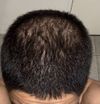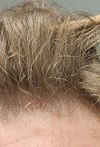
A 24-year-old shared three months of progress using dutasteride, minoxidil, and biotin for hair loss. The post includes progress pictures and discusses the effectiveness of these treatments.
The user reported subtle hair regrowth by focusing on scalp health and lifestyle changes, using Nizoral shampoo and methods to reduce inflammation and cortisol, without using finasteride, minoxidil, or other common treatments. Opinions in the conversation varied, with some skeptical of the results and others acknowledging the potential benefits of addressing scalp health and inflammation.
The conversation discusses whether a longtime NW7 scalp has vellus hairs under a microscope or is completely smooth. Treatments mentioned include Minoxidil, finasteride, and RU58841.
The conversation discusses using scalp antiandrogens like RU58841, pyrilutamide, or fluridil on the face to reduce sebum production, noting that clascoterone (winlevi) is an approved facial antiandrogen with underwhelming reviews.
A 22-year-old male experiencing hair thinning and loss, possibly due to seborrheic dermatitis or low vitamin D, is cautious about using minoxidil or finasteride due to heart palpitations and high blood pressure. Suggestions include using ketoconazole shampoo to control inflammation and focusing on treating the dermatitis first.
Users discuss hair loss and styling techniques to conceal thinning hair, mentioning treatments like finasteride and oral minoxidil. Some stop hair loss but not regrow hair, considering options like scalp micropigmentation or hair transplants.
Hair loss can begin in early adolescence and cause mental anguish. Treatments mentioned include eating cruciferous vegetables, engaging in physical activity, and maintaining scalp hygiene.
The user experienced hair thinning in the middle of their head despite using finasteride and minoxidil and having a hair transplant. They are concerned about the thinning and considering shaving their head, while being advised to continue treatment and manage stress.
A 15-year-old is experiencing hair loss and is considering treatment options. They are aware they cannot use DHT blockers like finasteride due to their age and are exploring other causes like Telogen Effluvium.
A 29-year-old male experienced hair loss and found improvement using a combination of onion hair oil, castor oil, ketoconazole shampoo, and aloe vera gel with vitamin E, while discontinuing minoxidil and finasteride due to side effects. He emphasizes the importance of scalp massage and oiling for hair growth and reduced hair fall.
The mechanism of Androgenic Alopecia and practical applications of treatments like Minoxidil, Finasteride, RU58841, dermarolling, scalp massages, anti-fungals, progesterone, estrogen, PPAR-γ activators, reducing oxidative stress, and scalp exercises. It explains why DHT is important in AA and how other factors might be involved such as hypoxia, increased DKK-1 expression, morphological changes to the scalp, skull growth during childhood/puberty, and blood flow.
The user is experiencing hair loss despite using dutasteride, minoxidil, and ketoconazole shampoo, and is concerned about continued shedding. Suggestions include checking for nutrient deficiencies, consulting a dermatologist, and considering other potential causes like seborrheic dermatitis or telogen effluvium.
The user experienced significant regrowth in the crown and hairline using 1.25mg finasteride daily for 13 months but noticed thinner scalp density. Suggestions included adding topical minoxidil or 0.5mg dutasteride, as scalp regrowth may lag behind other areas.
A 31-year-old has been using finasteride, dutasteride, and oral minoxidil for hair loss. They noticed a sudden triangular thinning patch on their scalp and are seeking advice, questioning if it could be medication-related.
A 19-year-old male with no family history of androgenetic alopecia (AGA) is experiencing hair loss and considering using a topical minoxidil and finasteride mixture. Despite low vitamin D levels and normal DHT serum levels, he seeks confirmation of AGA before starting treatment.
The conversation discusses a small patch of missing hair and whether treatments like Minoxidil, finasteride, or RU58841 could help. The user is seeking advice on addressing this specific hair issue.
Male androgenetic alopecia is commonly treated with topical minoxidil and oral finasteride, both requiring continuous use. Other options include hair restoration surgery, dutasteride, light therapy, and camouflaging agents.
The conversation discusses the frustration of having excessive body hair while experiencing scalp hair loss, with mentions of treatments like finasteride, minoxidil, and hair transplants using body hair. Users share experiences and advice, noting the role of genetics and DHT in hair growth patterns.
The conversation discusses the potential benefits of topical caffeine for Androgenetic Alopecia (APA) and female pattern hair loss. While some studies suggest positive results, there's no reliable scientific evidence to strongly recommend caffeine compounds for hair regrowth.
Maintaining good hair density is more important than preventing a receding hairline, as it can enhance a mature look. Treatments discussed include finasteride, minoxidil, dutasteride, and RU58841.
The user is stressed about hair loss and is using a HIMS topical treatment containing finasteride, ketoconazole, minoxidil, and biotin, but is concerned about the oily appearance it causes. They are considering switching to Rogaine (minoxidil) due to budget constraints and side effect concerns with oral finasteride.
The user is experiencing hair loss without a family history and suspects stress or telogen effluvium (TE) as the cause, despite using finasteride without results. Others suggest stress, vitamin deficiencies, or other conditions could be factors, and some mention that balding can occur without a family history.
A person dealing with hair loss is considering shaving their head, using scalp micropigmentation to cover a FUT scar, or trying a hair system. They are also contemplating treatments like minoxidil, finasteride, and dutasteride.
The conversation discusses hair thinning and treatments like Minoxidil, finasteride, and RU58841. The user is concerned about distinguishing between natural hair parting and actual thinning.
Orient Bio is developing a PLGA formulated version of Cyclosporine A to stimulate hair growth without its immunosuppressant effects. Users discuss various treatments like Clascoterone, PP405, minoxidil, and tacrolimus, expressing hope for new developments and sharing personal experiences with these treatments.
Hair loss can be distressing, but treatments like finasteride, dutasteride, minoxidil, and dermarolling are available, though not universally effective. Staying positive and considering options like wigs, hair transplants, and future treatments can help maintain self-worth and optimism.
Accepting baldness and the various ways people try to cope with it, such as shaving, using medications like minoxidil and finasteride, or getting a hair transplant. Participants discussed how true acceptance of hair loss involves confronting difficult emotions such as grief for one's former appearance and identity, as opposed to simply superficially hiding it with a shaved head.
A trans woman is using finasteride, minoxidil, microneedling, and HRT to address hair loss, with noticeable improvement in hairline shape and presence of vellus hairs. She is considering hair transplants if these treatments don't yield desired results within a year or two.
The conversation discusses a hair loss treatment regimen involving finasteride, dutasteride, spironolactone, bicalutamide, oral estradiol, microneedling, and minoxidil. The regimen aims to reduce androgenic alopecia by blocking DHT and androgens, with a caution about potential feminizing effects.
A 20-year-old is experiencing hair thinning and is considering Clascoterone and Minoxidil as treatments, avoiding finasteride due to concerns about fertility and hormones. A suggestion was made to use Clascoterone for local DHT targeting and combine it with Minoxidil for maintenance and regrowth while avoiding systemic side effects.