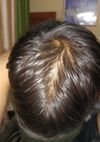
Choosing between two hair loss treatments, with a preference for a higher concentration of RU58841 and 5% minoxidil, avoiding oils like castor and argan that may hinder absorption.
A 20-year-old diffuse thinner has been using finasteride for 8 months and is considering adding minoxidil to their routine. A user suggests incorporating minoxidil for quicker regrowth, despite the hassle of daily application, while continuing finasteride.
Shiseido's S-DSC Hair Multiplication Treatment in Japan is available to foreigners but is expensive and not very effective. Despite past disappointments, there is hope for future treatments with more options in development beyond Minoxidil and Finasteride.
The conversation discusses the use of dutasteride (DUT) versus finasteride (FIN) for hair loss treatment, with some users preferring DUT for its effectiveness while others choose FIN due to its approval status, better long-term data, and lower risk of side effects. Users share personal experiences with both medications, including side effects and effectiveness.
The user is experiencing hair thinning at the front of the scalp and is seeking advice on regrowing long curly hair. They are considering treatments like Minoxidil, finasteride, and RU58841 to prioritize hair regrowth.
The conversation discusses creating a foam version of RU58841 for easier application on thick hair, comparing it to minoxidil foam. The user currently uses dutasteride, minoxidil, and needling for hair loss treatment.
Starting with 5 mg of oral minoxidil for faster initial results, then reducing to 2.5 mg to maintain progress. The user seeks opinions on this approach.
The conversation discusses whether oily scalp and sebum can hinder the absorption of topical hair loss treatments like Minoxidil and Finasteride, even when using tretinoin. The user is skeptical about the effectiveness of these treatments due to their oily scalp condition.
The user has been using dutasteride, minoxidil, and RU58841 for a year to stabilize hair loss and is considering a hair transplant. They are taking 5mg of oral minoxidil daily and are unsure of its effectiveness but have noticed more hair than a year ago.
The post discusses concerns about the practicality of using Minoxidil foam for hair loss, including the frequency of application, preparation, coverage area, and drying time. Responses suggest that missing a dose isn't detrimental, it can be applied once a day, it works on all hair areas, and it doesn't need to be perfectly dry before application.
The conversation is about exploring alternatives for hair loss treatment, specifically ds laboratory revita shampoo and nanoxidil, with the user currently using microneedling. The user is considering these options due to fewer side effects compared to other treatments.
Hair transplant success largely depends on individual biology, with many patients needing multiple procedures to achieve satisfactory density. Even top surgeons can't guarantee results, and many people use additional treatments like Minoxidil and Finasteride.
Mixing RU58841 powder with topical minoxidil is being considered to simplify application and manage dandruff. The user switched from finasteride to dutasteride due to continued hair shedding.
The user achieved impressive hair regrowth using 1mg finasteride and topical minoxidil, and is now adding dutasteride due to recent diffuse thinning. They experienced initial side effects with finasteride but no longer have issues.
The conversation discusses using a low dose of topical finasteride to achieve hair benefits with minimal systemic exposure. Users share experiences and opinions on dosing, systemic buildup, and side effects of both topical and oral finasteride.
High DHEA levels may contribute to hair loss by increasing DHT in hair follicles, potentially explaining why finasteride is ineffective for some. Treatments like high-dose dutasteride and RU58841 are suggested, but the underlying cause, such as adrenal issues, should be investigated.
The user improved hair density from 45% to 70% using dutasteride and minoxidil, but still uses hair fibers for a fuller look. They added a topical mix of minoxidil, finasteride, and bimatoprost, but doubt further significant improvement.
A 49-year-old is updating on hair regrowth progress using finasteride, minoxidil foam, tretinoin cream, and ketoconazole shampoo. They report thicker, darker hair and reduced scalp itch after switching to minoxidil foam.
The conversation is about someone's hair growth progress after using dutasteride and oral minoxidil for eight months, with users commenting on the increased hair density and volume. Some users are skeptical, but the original poster insists there is a significant improvement in hair density.
PTD-DBM therapy for hair loss is being developed by Dr. Kang-Yell Choi, with human testing planned in South Korea. Some clinics in the U.S. offer PTD-DBM/valproic acid therapy, but it hasn't completed trials yet.
Switching from 2% liquid minoxidil to 5% foam minoxidil reduced scalp irritation but increased eyebrow flakiness and thinning. The user speculates that propylene glycol in the liquid formulation might have been protecting against seborrheic dermatitis while causing contact dermatitis.
The conversation is about hair loss treatments, focusing on minoxidil and finasteride, with suggestions for microneedling and dermarolling to improve hair thickness. The original poster has used minoxidil for four years and finasteride for over a year but is exploring additional options for better results.
A user discusses using Alpecin Caffeine Liquid for scalp health and considers dissolving finasteride tablets into it for a DIY topical treatment. They inquire about potential absorption issues with this method.
Research and science related to a minor improvement in hair growth caused by the use of verteporfin, as well as potential treatments such as Minoxidil, Finasteride, and RU58841.
A 19-year-old male experiencing diffuse hair thinning has been using oral minoxidil and finasteride for 6 months with no improvement. Suggestions include continuing the treatment, checking for underlying conditions, and considering nutritional or hormonal causes.
The conversation discusses the application of RU58841 for hair loss, with the user applying 1.75 mg at 5% concentration for half an hour daily. The user mentions managing seborrheic dermatitis while using this treatment.
PTD-DBM is a Korean-developed treatment for hair loss, with limited information available and some users testing it personally. A user purchased PTD-DBM for $115 and plans to test it on their temples, but its effectiveness and authenticity remain uncertain.