A user reports high DHT levels despite taking finasteride and is concerned about inconsistent blood test results. They also take modafinil, vitamin D, and magnesium supplements.
The user is concerned about the legitimacy of online-bought Dutasteride due to its sugary taste and increased urination. Others suggest it looks legitimate but recommend consulting a doctor and possibly testing DHT levels.
The user has been taking dutasteride for 8 months and finasteride before that, with normal DHT levels but high estradiol and prolactin, leading to sexual side effects. The user is disappointed with these results.
A 36-year-old male using dutasteride and minoxidil has seen significant hair regrowth, confirmed by a dermatologist and supported by before-and-after photos. He plans to increase his oral minoxidil dosage and add dermapen to his routine.
The conversation discusses using homemade topical finasteride for hair loss, showing an increase in DHT levels despite treatment. The user applies 0.125mg daily, resulting in 113.4% of previous DHT levels.
The user experienced significant hair regrowth using finasteride and dutasteride, with noticeable results after switching to dutasteride. Minoxidil was deemed unnecessary due to the restoration of the hairline and lack of hair follicles in bald spots.
The conversation discusses using finasteride, dutasteride, RU58841, and testosterone to combat hair loss and block DHT, with some users expressing concerns about side effects and vegan options for medication. The discussion also touches on personal experiences with hormone treatments and the desire to maintain a youthful appearance.
The user experienced significant hair regrowth using Trestolone, GHK-Cu, and Minoxidil. They avoided Finasteride due to concerns about side effects and noted that their approach reduced androgenic load, contributing to hair regrowth.
The conversation is about a user experiencing positive hair regrowth results using 1mg of dutasteride, 10% minoxidil, and occasional microneedling, after unsatisfactory results with finasteride. Other users express interest in switching to dutasteride and share similar sentiments about finasteride.
The user shared their successful hair regrowth experience using Dutas, oral and topical minoxidil, vitamin D3, zinc, biotin, a laser cap, natural shampoos, ketoconazole shampoo, retinoic acid lotion, and mesotherapy. They reported no side effects and significant improvement in hair thickness and color over six months.
A user is seeking advice on making a topical bicalutamide solution as an alternative to RU58841 for hair loss, while already using dutasteride and minoxidil. They are considering crushing bicalutamide pills and adding them to their minoxidil.
The conversation discusses a botanically derived treatment for androgenetic alopecia using ingredients like saw palmetto, green tea, and evening primrose, showing impressive results over 270 days. Concerns include the study's uncontrolled nature and potential product motivation, with suggestions to enhance absorption through derma rolling.
A 24-year-old male shares his two-month progress on hair regrowth using 0.5mg Dutasteride, 2.5mg Minoxidil, 10mg Biotin, and Ketoconazole shampoo, noting significant crown improvement. Users discuss the effectiveness of oral Minoxidil, with some expressing skepticism about photo angles and the necessity of Biotin unless deficient.
An 18-year-old is using a high-dose hair loss treatment with 40mg daily dutasteride, finasteride, minoxidil, tretinoin, and topical bicalutamide. Despite health risk concerns, especially liver issues, they report hair regrowth progress and intend to continue the regimen.
The conversation is about gathering serum DHT data from individuals taking dutasteride to investigate its efficacy, especially in cases with unexpectedly low DHT reduction. The aim is to explore potential genetic factors affecting drug metabolism.
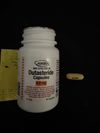
The user has been using Dutasteride 0.5mg, Biotin, and oral Minoxidil 2.5mg for 12 weeks to treat hair loss and is optimistic about future results. Others encourage consistency and express satisfaction with the progress.
The user is using a topical solution with finasteride, minoxidil, and tretinoin and is considering adding GHK-Cu to enhance hair growth and quality. Another user suggests diluting GHK-Cu and storing it in a smaller, refrigerated bottle.
The user is experiencing rapid hair loss despite using dutasteride, finasteride, and minoxidil, and is concerned about high estradiol and testosterone levels. They are advised to consult an endocrinologist for potential hormonal imbalances.
The conversation discusses the safety and cost of 2.5mg Dutasteride, and the potential for increased DHT reduction by combining Dutasteride with topical Finasteride. The original poster is currently using 0.5mg Dutasteride, 1.25mg oral Minoxidil, and a topical treatment, and is considering increasing the dosage to maximize results while avoiding less known treatments like RU58841.
The conversation is about a user making a homemade topical dutasteride solution to use alongside testosterone replacement therapy (TRT) and oral dutasteride. The user aims to reduce DHT locally at the testosterone injection site and on the scalp.
The user reported early stage diffuse hair thinning and increased DHT levels after 4 weeks on Finasteride and 8 weeks on Finasteride plus 4 weeks on Dutasteride, despite the medications being authentic and stored properly. They are considering increasing their Dutasteride dosage due to the lack of side effects and are unsure if the treatment is helping their hair.
A user was prescribed betamethasone dipropionate spray for a receding hairline, which caused skin peeling and depigmentation. They stopped using it and are considering alternatives like BPC-157/TB-500 for healing.
A 26-year-old male is documenting his hair regrowth journey using 0.5mg dutasteride and 5mg oral minoxidil, transitioning from 5% topical minoxidil. He reports no significant side effects after one week, except for slight water retention and increased libido.
The conversation is about using Biolabshop's RU58841 product, which includes GHK-Cu and melatonin, to improve hair quality and combat hair loss. The user has previously used finasteride, minoxidil, and Anageninc’s RU58841 with success and seeks feedback on the new product, especially from those on anabolic steroids or hormone treatments.
A 23-year-old man with hair loss, despite using dutasteride, oral minoxidil, and RU58841, is considering bicalutamide for regrowth but is concerned about feminization. Alternatives like topical estrogen, JXL069, and spironolactone are discussed, with suggestions to explore thyroid levels and other potential underlying conditions.
Dutasteride and finasteride are used for hair loss, affecting hormone levels like DHT and testosterone. Hormone balance is crucial, as changes can lead to side effects such as increased estradiol and potential hair loss.
The user experienced improved libido and erections after reducing DHT levels with 0.5mg of dutasteride once a week, despite previous side effects from finasteride. They are also on testosterone replacement therapy and have not noticed major personality changes.
The conversation discusses a topical finasteride therapy with hydrocortisone butyrate, estrone base, and breviline. A user suggests oral finasteride as a superior option.
Men discussing hair loss treatments, including bicalutamide, cyproterone acetate, dutasteride, minoxidil, and RU58841. They share experiences and concerns about side effects like infertility, liver health, and feminization.
The user switched from finasteride to dutasteride and experienced noticeable hair regrowth without side effects, though some users questioned the necessity of such a potent treatment given the minimal hair loss. The conversation also touched on potential side effects of dutasteride, such as reduced sperm quality, but the user reported no issues.