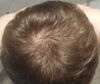
A user's 15 month progress with finasteride and minoxidil treatments, which have produced great results. Microneedling depth and frequency were discussed in the replies.
The user is taking oral minoxidil, dutasteride, and finasteride but hasn't seen improvement in hair thickness. They experienced hair loss after switching from topical to oral minoxidil.
Using 0.025% tretinoin may enhance minoxidil's effects for hair loss. Users suggest starting with 0.025% and gradually increasing the concentration, and discuss combining treatments like microneedling.
The conversation discusses using Dutasteride, oral Minoxidil, and other medications for hair loss, with the user expressing satisfaction despite potential side effects. The user prefers these treatments to maintain a youthful hairline, despite others suggesting alternative methods.
Hair loss treatment with topical finasteride/minoxidil, which had good results after 3.5 months of application. The user also asked if there was any reason to take the oral pill version and if anyone has ever tried mixing them together.
Minoxidil 5% is no longer effective for the user, who is considering stronger minoxidil or oral options despite availability issues. Suggestions include trying minoxidil 15%, oral minoxidil, microneedling, and exploring other treatments like finasteride and dutasteride.
The conversation discusses whether a product recommended by a Portuguese pharmacist is the same as Minoxidil. Treatments mentioned include Minoxidil, Finasteride, and RU58841.
Minoxidil 5% foam was used twice daily for 4 months, resulting in visible hair regrowth. Users discussed adding finasteride for better long-term results, with concerns about its side effects and alternatives like breezula and clascoterone.
A 24-year-old male has been using 1mg finasteride daily, 5% minoxidil twice a day, ketoconazole shampoo, and dermastamping for hair regrowth, noticing progress in crown thickness and some temple regrowth. He is considering adding oral minoxidil to enhance results but is concerned about potential side effects.
Concerns about the effectiveness of DHT inhibitors like finasteride and minoxidil due to potential polymorph issues. Experts suggest these concerns are largely unfounded, especially compared to rare cases like ritonavir.
The user shared positive results after using 5% minoxidil foam nightly and dermastamping weekly for hair growth, noting significant progress after three months. They plan to add finasteride in the future but are currently avoiding it due to age.
Minoxidil combined with tretinoin may improve hair regrowth due to their synergistic effects. Using a gel with 0.025% tretinoin and antibiotics might still be beneficial.
A user shared their 4-month hair regrowth progress using 0.5mg dutasteride and 2.5mg minoxidil, reporting no side effects and significant improvement. The conversation includes discussions on treatment choices, dosages, and personal experiences with hair loss treatments.
The user saw decent results using Minoxidil 2%, Alpecin shampoo, and Mycoseb shampoo for hair loss. They are considering starting Finasteride and Minoxidil 5% but seek advice on whether to use them now or later.
A user is experimenting with a DIY topical solution combining finasteride and minoxidil for hair loss, applying 0.5 mg of finasteride daily. Concerns include absorption issues, potential side effects, and product loss due to hair density, with some users suggesting oral intake for better results.
Pyrilutamide is seen as effective for maintaining hair without regrowth, while Minoxidil is known for growing new hair but causes shedding of old hairs. There is a question if using Pyrilutamide would inhibit the hair regrowth effects of Minoxidil.
A 21-year-old male used low-dose 5% topical Minoxidil inconsistently for four months, resulting in stopped hair shedding and improved hair density, though the hairline remained unchanged. Users discussed the potential use of finasteride and other treatments, with some suggesting consulting a dermatologist for further advice.
User shared a 4-month progress update on using minoxidil and 1.5 months on finasteride for hair loss. Reactions were mixed, with some expressing disbelief and others feeling inspired to start treatment.
Diluting finasteride in a Hims spray can be done using ethanol or propylene glycol to maintain the desired concentration without increasing minoxidil levels. This approach ensures the finasteride concentration is reduced to 0.025% without affecting the minoxidil strength.
The user experienced high liver enzyme levels, possibly due to topical finasteride or supplements, and decided to stop using finasteride while continuing minoxidil. After stopping finasteride and supplements, liver levels returned to normal, suggesting finasteride or supplements might have been the cause.
A 27-year-old male has been using 1mg finasteride and 2.5mg oral minoxidil daily for androgenetic alopecia, seeing good results in 3 months but experiencing thinning and density loss. He seeks advice on his Norwood scale level and when density might return.
The conversation is about the systemic absorption of Minoxidil and the potential switch from topical to oral Minoxidil due to its effectiveness. The user considers oral Minoxidil after experiencing no side effects from a year of using 15% topical Minoxidil.
Minoxidil is highly toxic to cats, and even small amounts can be fatal. The user decided against using topical minoxidil due to the risk to their cats and considered oral minoxidil and ketoconazole shampoo as alternatives.
Minoxidil is typically applied once daily, with some users opting for foam to minimize irritation. Users often combine it with finasteride or use oral minoxidil for improved results, while managing scalp irritation with ketoconazole or salicylic acid shampoos.
Mixing RU58841 with cetosomal minoxidil is discussed due to scalp irritation from ethanol PG vehicles. A mixture of the two turned bright pink when left to dry.
The user experienced no significant improvement in hair loss despite using Dutasteride, oral Minoxidil, and previously RU58841, and is uncertain if changes in medication or stopping RU58841 worsened the condition. Some users noted no change or slight improvement, while others suggested the possibility of Dutasteride causing issues.
Kirkland Minoxidil from Amazon may be fake, and it's safer to buy directly from Costco. Users suggest alternatives like Walmart's Equate or buying from Costco's website.
A 40-year-old male with Norwood IV hair loss is considering adding 1.25mg oral Minoxidil in the morning to his current evening spray containing 7% Minoxidil, Finasteride, ketoconazole, and biotin. He questions if this combination would be excessive or unnecessary.
The conversation discusses the effectiveness of hair loss treatments, with one user experiencing significant hair regrowth after 6 months using minoxidil at night, finasteride in the morning, microneedling every three days, a healthy lifestyle, vitamins, and a specific shampoo. Another user is inquiring about the timeframe for seeing results with minoxidil.