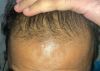
Stopping oral minoxidil after five days due to heart issues likely won't cause noticeable shedding or permanent hair loss. The user is concerned and seeks reassurance.
Inconsistent minoxidil use led to hair loss, prompting a plan to resume consistent application with derma stamping, red light therapy, and DHT blockers like clascoterone or RU58841. The user avoids finasteride and dutasteride due to past side effects.
The user is considering switching from an expensive topical hair loss treatment containing 8% Minoxidil, 0.3% Finasteride, Retinoic Acid, and Hydrocortisone to a cheaper Kirkland brand Minoxidil. They are concerned about the effectiveness of the lower concentration and the absence of additional ingredients.
The user has maintained hair thickness using oral finasteride and minoxidil for four years, with suggestions to consider dutasteride or a hair transplant for further improvement. Some users recommend trying topical minoxidil with tretinoin or increasing the oral minoxidil dose for better results.
The conversation suggests starting finasteride or dutasteride alongside minoxidil for better hair loss treatment, as minoxidil alone is seen as ineffective without a DHT blocker. Some users also mention considering RU58841 as an alternative to finasteride.
A user is combining topical finasteride with minoxidil and considering adding oral finasteride to their routine. Others share their experiences with similar treatments, including oral dutasteride and minoxidil, and discuss cost and dosage concerns.
The user has been using topical finasteride and minoxidil for a month to address hair thinning. They are experiencing shedding but have noticed small hairs on their temples.
The user is seeking alternatives to Minoxidil for hair growth, currently using 0.1% topical finasteride and 2% ketoconazole shampoo. Suggestions include microneedling, red light therapy, rosemary oil, and other topical treatments like cetirizine, Stemoxydine, and Latanoprost.
The user has been using 1mg Finasteride and 5% topical Minoxidil for 9 months with little improvement and is now switching to 5mg oral Minoxidil, continuing microneedling, and adding Anagenil Complex. They are seeking advice on whether to stop topical Minoxidil and the effectiveness of Anagenil Complex.
The user is seeking advice on mixing 5% Minoxidil with 0.025% Tretinoin for hair loss treatment, as they cannot find a suitable product in India and are considering making it themselves. They express concerns about mixing ratios and stability, while others suggest applying them separately or mixing them with other ingredients like finasteride and RU58841.
A 28-year-old male, previously on dutasteride for hair loss, is considering oral minoxidil or a compounded treatment of minoxidil, finasteride, and tretinoin after noticing hairline recession. The dermatologist suggested oral minoxidil and mentioned a compounded option, but the user is unsure about its benefits compared to current treatments.
The user experienced significant hair regrowth after switching from finasteride to dutasteride and from topical to oral minoxidil, despite some patchiness along the hairline. The user reduced the oral minoxidil dose due to low blood pressure concerns.
The user experienced significant hair regrowth after two months on a Hims oral treatment combining 3 mg minoxidil, 1.1 mg finasteride, and vitamins. The treatment is considered a normal/high dose, and the user reported initial side effects like oily skin and acne, which subsided over time.
The user has been using finasteride for 10 months with no significant regrowth but no further hair loss and is considering adding oral minoxidil despite concerns about side effects. Other users suggest combining finasteride with minoxidil for better results, as finasteride prevents further hair loss while minoxidil aids regrowth.
The conclusion of the conversation is that the user, AdamC11, has been using finasteride (0.5mg daily) and topical minoxidil for 2.5 years and has seen good progression and maintenance with no negative effects. They plan to continue with their current treatments as long as their hair holds, and will consider more potent treatments if they start losing ground.
A user is seeking advice on using a spray containing 0.3% finasteride and 6% minoxidil for hair loss. Another user suggests applying it in the morning to avoid transferring it to pillows and recommends reading a guide for microneedling advice.
A 24-year-old male experienced an increase in estradiol levels and symptoms like gynecomastia and excessive sweating after using Minoxidil for hair loss. His estradiol levels decreased after he stopped using Minoxidil.
A 24-year-old experiencing severe hair thinning has been using minoxidil for 2 years but is still shedding hair. A doctor recommended plasma treatment over a DHT blocker for better and healthier results.
The user believes that combining alfatrodial and fluridil with minoxidil effectively maintains hair, based on their 7-year experience. They suggest this combination for those who can't tolerate finasteride.
The user is considering adding topical dutasteride and increasing their oral minoxidil dose to 5mg, and is currently using oral finasteride, oral and topical minoxidil, derma stamping, tretinoin, and nizoral as part of their hair loss treatment regimen.
The user "mallanboy" shared their experience with using 0.5mg Dutasteride once a week, 0.5mg Finasteride every day, and 2.5mg Minoxidil every day for hair loss. They mentioned that their hairline has slightly improved and their hair density has increased after switching from topical minoxidil to oral minoxidil after 8 months. They hope to maintain their results until they are 30 years old for a hair transplant.
Oral minoxidil boosted vertex hair but not the hairline, with a stack including 5mg minoxidil, 2mg dutasteride, topical foam minoxidil, fluridil, and Nizoral. Users discuss dosing strategies, with some suggesting 2.5mg twice daily for sustained levels, while others recommend 5mg once daily based on clinical trials.
A man in his 50s, who has been on Finasteride for 15 years, is considering adding a custom topical Minoxidil blend to his treatment due to recent hairline recession. He questions whether the custom blend is more effective than generic Minoxidil, expresses concerns about shedding and body hair growth, and seeks advice on application timing with styling products and whether to pursue other treatments like PRP or laser.
Combining minoxidil with tretinoin may help those who don't respond to minoxidil alone. Some users report better results with this combination, along with oral minoxidil and finasteride.
The user experienced positive hair growth results using oral minoxidil and finasteride initially, then switched to dutasteride and higher-dose minoxidil. They plan to try topical minoxidil foam to improve the crown area and reported increased libido with dutasteride.
The conversation is about making oral minoxidil pills for personal use, including inquiries about ingredients and binders. The user mentions taking 2.5mg of oral minoxidil daily.
A 29-year-old shared a 6-month update on using 5% topical minoxidil and occasional dermarolling, reporting improved hair density and a fuller crown. They are considering adding finasteride to their routine but are concerned about side effects.
The user has been using a topical solution containing minoxidil and finasteride for 10 months but is not satisfied with the results, as there is no significant hair regrowth or thickening. They are questioning whether they are a non-responder or if they should continue the treatment longer.
The user reports significant hair regrowth using finasteride, topical minoxidil, and dermarolling twice a week, despite poor photo quality. Another user shares their experience with oral minoxidil and finasteride, noting ongoing shedding and considering additional treatments.
Minoxidil is discussed as a hair loss treatment, with concerns about potential eye issues. Some users express skepticism about these claims, while others emphasize the long-standing use of Minoxidil.