The conversation is about using topical cetirizine for hair loss treatment. The user mixes Aller-TEC tablets with a hair tonic but faces issues with the solution's consistency.
Comparing the effectiveness of minoxidil 5% and adenosine 0.75% for treating male androgenetic alopecia, and measuring patient satisfaction rate; results showed that adenosine is comparable to minoxidil but provides quicker results, however availability of products with adenosine is much less than those with minoxidil.
The user is using a hair loss treatment regimen that includes applying various topical solutions and taking oral medication. They are mixing their topical treatments to save time but are concerned about the effectiveness of the treatments when combined and stored.
Sea salt spray adds texture and volume to hair but can dry it out, so it's best used sparingly. Some users find it helpful for thicker-looking hair, while others suggest using it alongside other treatments for oily hair.
A bodybuilder discusses homebrewing Minoxidil and RU58841 using propylene glycol or MCT. They inquire about the feasibility and potential risks of these methods.
The user experienced chest soreness and mild gynecomastia after taking 1mg finasteride three times a week, which resolved after stopping the medication. They are considering trying a lower dose or topical finasteride to avoid side effects.
A 23-year-old male with Norwood 2.5-3 hair loss is considering using a lotion containing 0.3% finasteride and 6% minoxidil spray, as recommended by a dermatologist. He is hesitant about using oral finasteride due to potential long-term side effects.
A 35-year-old man shares his positive progress in hair regrowth using a daily routine of 5mg oral minoxidil and 0.5mg dutasteride, along with a low light cap, weekly dermarolling, and biweekly ketoconazole shampoo. He reports noticeable improvements without side effects and aims to inspire others considering similar treatments.
The conversation discusses using Nizoral 2% for hair loss treatment without having dandruff, with advice on allowing it to absorb for 10 minutes before rinsing and a personal experience of the product causing dry and itchy scalp.
Increasing the sult1a1 enzyme on the scalp may improve response to topical minoxidil. The user suggests using a baking soda solution, DMSO, and tretinoin to enhance enzyme activity and minoxidil effectiveness.
The user is using finasteride 1mg every other day and seeks a topical solution excluding minoxidil. They are considering various combinations of ingredients like finasteride, dutasteride, and tofacitinib, with options for nourishing oils and other additives.
A user's progress with their hair loss treatment, which includes finasteride and nizoral, as well as the potential for using minoxidil; other users providing advice based on their own experiences; and others discussing how buzz cuts can make diffuse thinning look worse than it is.
The user experienced sexual side effects from finasteride and switched to using only topical minoxidil without side effects. They are seeking alternatives to finasteride, such as topical finasteride, to maintain hair without adverse effects.
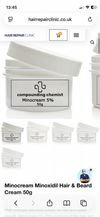
A user is considering switching from a 5% minoxidil spray to a minoxidil cream for easier application and less greasiness. They are inquiring about the Hair Repair Clinic 5% minoxidil cream, which includes optional tretinoin and other ingredients like isopropyl myristate and beeswax.
A 19-year-old is concerned about using low-dose sublingual minoxidil for hair loss and its potential side effects, while questioning its effectiveness against DHT. They are considering whether this treatment is the best option.
PP405 (Everychem 3HP) may help with hair regrowth, with mixed user experiences. Users often combine it with minoxidil and finasteride, but there are concerns about its efficacy and side effects.
A user shares their positive experience using the Rootique Dou applicator with 0.005% finasteride, noting it effectively delivers the product without greasiness and helps with hair regrowth without side effects. Another user reports regrowth using low-dose finasteride from ULO, while avoiding tretinoin due to skin irritation.
Hair is growing faster after 2 weeks of using topical vitamin D3 in alcohol/oil. The user plans to continue the experiment for 3 months before giving a full review.
The user is using 1% ketoconazole shampoo, 5% minoxidil foam, and a multi-peptide hair serum to address hair loss, aiming to improve from Norwood 5 to Norwood 3. They are considering adding topical finasteride if current treatments show progress and plan to use cosmetic products like fibers and DermMatch for appearance enhancement.
Reishi mushroom is significantly weaker than finasteride for inhibiting 5 alpha reductase, requiring much larger quantities to achieve similar effects. The effectiveness and safety of consuming large amounts of Reishi for hair loss are uncertain.
The user is taking oral minoxidil, dutasteride, and finasteride but hasn't seen improvement in hair thickness. They experienced hair loss after switching from topical to oral minoxidil.
The user experienced side effects with 1mg finasteride and is considering using a 0.5mg dose to prevent them. Another user suggested splitting the pills to achieve the lower dose.
The conversation discusses the use of topical spironolactone for hair loss, with the original poster applying 8 ml daily but learning that 2 ml is recommended. It also touches on hair transplants and the role of DHT sensitivity in hair loss, emphasizing individual differences in treatment outcomes.
People shared mixed experiences with RU58841 for hair loss; one person saw no improvement, another had significant gains and uses it with finasteride, while a third had an allergic reaction to the premixed solution. Some mix RU58841 powder into minoxidil themselves.
Volume boost shampoos, specifically Schwarzkopf Professional Bonacure Collagen Volume Boost Micellar Shampoo, may potentially impact hair due to creatine's effect on DHT. The user likes the shampoo for its gentle nature and thickening effect but is concerned about long-term use.
A user reported thickening their hairline using a nightly mixture of castor oil, peppermint oil, rosemary oil, and sandalore, without using minoxidil due to side effects. They also continued using alfatriodol for DHT blocking and saw modest improvements after 6 months.