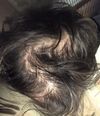
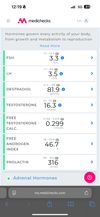
Men with early male pattern baldness (MPB) may have hormonal abnormalities similar to those in women with PCOS. Specific treatments mentioned include Minoxidil, Finasteride, and RU58841.
A female user is experiencing minimal regrowth and miniaturized hair after 6 months of treatment with oral minoxidil, spironolactone, and topical minoxidil. She seeks advice on whether she can restore her remaining follicles.
Some people have side effects from finasteride and dutasteride due to hormonal predisposition, especially if DHT dominant. Alternatives like RU58841, Pyrilutamide, and Breezula are suggested to target scalp androgen receptors without altering overall hormones.
A 41-year-old South Asian individual feels hopeless about hair loss and cannot use oral finasteride or dutasteride due to existing gynecomastia. They are seeking advice on alternative treatments.
The post discusses a hair loss treatment regimen using saw palmetto, pumpkin seed oil extract, EGCG (green tea) extract, grape seed oil extract, rosemary oil extract, and Zix. The user plans to use these DHT-blockers and 5AR inhibitors for six months and report the results.
The effects of Finasteride, a drug used to treat hair loss, prostate problems and other conditions. The post by iaskedadoctor describes the conversations they had with a Urologist about the effects of the drug on DHT levels throughout the body, how lower doses are beneficial in reducing side effects, how erectile dysfunction can be psychological as well as physiological, how morning erections are not necessarily important, and how persistent side effects appear to be rare. People also shared their experiences with taking Finasteride for hair loss, including potential side effects such as reduced ejaculate force and development of man boobs.
The user improved diffuse thinning without finasteride by using minoxidil foam, cold showers, gentle hair drying, 2% ketoconazole, sulfate-free tea tree oil shampoo, dermastamping, and supplements like Omega-3, Vitamin-D, Biotin, Keratin, Collagen, B3, Zinc, and Magnesium. The regimen was followed for about six months under dermatologist guidance.
The user is considering starting finasteride for hair loss prevention, expressing concerns about potential side effects like reduced libido and erectile dysfunction. They are currently taking saw palmetto, vitamin D, zinc, vitamin C, and biotin but are unsure if these will be effective.
Finasteride helps with hair loss by lowering DHT levels in the scalp, which is more important than blood DHT levels. If finasteride is not effective, consulting a doctor or considering switching to dutasteride may be advisable.
A user's experience with using 5AR inhibitors (Finasteride and Dutasteride) in combination with Minoxidil foam and microneedling, which resulted in substantial improvements to their crown density and hairline, despite high systemic levels of testosterone and dihydrotestosterone.
Intermittent finasteride dosing, like taking it every third day, may reduce side effects while still lowering DHT levels. Users report side effects such as brain fog and weaker erections, which often subside after stopping the drug.
Combining 0.5 mg oral finasteride with topical finasteride and minoxidil during an Enclomiphene cycle may help manage increased DHT levels. Monitoring for side effects is advised.
Reishi mushroom is significantly weaker than finasteride for inhibiting 5 alpha reductase, requiring much larger quantities to achieve similar effects. The effectiveness and safety of consuming large amounts of Reishi for hair loss are uncertain.
A user is concerned about taking 1mg/day of finasteride due to potential gynecomastia, given their blood results. They seek advice on how their hormone levels might be affected by blocking DHT.
Low-dose daily aspirin reduces the effectiveness of topical minoxidil in treating androgenetic alopecia. Aspirin inhibits sulfotransferase enzymes, which are necessary for minoxidil to work.
Finasteride users discuss potential side effects, including Post Finasteride Syndrome (PFS), with varying opinions on its legitimacy and impact. Some users report side effects like changes in semen consistency and reduced pre-ejaculate, while others emphasize the rarity and reversibility of side effects.
A user shared their experience with finasteride, noting improved hair thickness but reduced libido and erection issues. They stopped finasteride, saw a return of libido but also rapid hair loss, and are now considering using Cialis to manage sexual side effects while on finasteride.
The user experienced hair density loss after increasing finasteride dosage from 3x to 7x a week. It was suggested that this might be a temporary adjustment issue, and adding minoxidil could help.
Dutasteride may reduce bone mineral density, but there's no increased risk of osteoporosis or fractures compared to finasteride. Users suggest resistance training to counter potential bone effects.
The user is concerned about high prolactin levels and low testosterone levels after stopping finasteride for three weeks. They are considering resuming finasteride but are worried it might further increase prolactin levels.
People with diffuse thinning and retrograde hair loss are discussing treatments like finasteride, minoxidil, and dutasteride, with some reporting improvements and others experiencing issues like scalp inflammation and increased sebum. Suggestions include addressing scalp inflammation, considering gut health, and possibly using topical antiandrogens or micro-needling.
A user took 1.5 mg Finasteride and topical Minoxidil for 11 months, resulting in significant changes in blood values but no noticeable hair improvement. They experienced side effects like mood swings and increased visceral fat, leading them to stop Finasteride.
The conversation is about a transgender individual's experience with hair regrowth using topical minoxidil and hormone replacement therapy (HRT), expressing concern about the slow growth and thin appearance of their hair. Some responses encourage patience and highlight the variability of results, while others discuss the role of HRT and its effects.
A user shared their 2-month progress using 1mg finasteride daily, 5% minoxidil with 0.1% finasteride topically twice a day, and Vitamin D3 weekly. They experienced initial side effects like weaker erections and mood swings, which resolved after one month.
The conversation discusses using natural DHT blockers like saw palmetto, beta sitosterol, pumpkin seed oil, pygeum africanum bark, and nettle root as alternatives to finasteride for hair loss, with mixed opinions on their effectiveness. Some users report minimal improvement with natural options and better results with finasteride or dutasteride, despite concerns about potential side effects.
The user stopped using finasteride after two weeks due to gynecomastia symptoms and shared blood work results questioning if they indicate a cause for the side effects. The user is considering restarting finasteride and seeking advice on their blood work levels in relation to gynecomastia.
The user experienced sexual side effects from a topical finasteride and minoxidil combo and stopped using it after three weeks. They plan to use foam minoxidil nightly to slow hair loss and seek alternative treatments that don't affect sexual health.
A 23-year-old has been using finasteride, dutasteride, and spironolactone to combat hair loss and hormonal acne, with mixed results and concerns about side effects. The user is experimenting with spironolactone despite its potential risks, hoping for skin and body hair improvements.