Search
for
Sort by
Community Join
390-420 / 1000+ resultscommunity Source for Pyrilutamide has disappeared
Anageninc stopping the sale of Pyrilutamide due to a cease and desist order from Kintor, with some speculating that it was either a hoax or subpar product.
community Horrible news, Stemson Therapeutics has shut down
Stemson Therapeutics has shut down, disappointing those seeking a hair loss cure. Current treatments like minoxidil, finasteride, and dutasteride are discussed, with some users experiencing side effects and exploring alternatives like PP405.
community Switch from RU58841 to Pyrilutamide, after 2 years?
A user switched from RU58841 to Pyrilutamide for hair loss treatment after experiencing side effects and continued hair shedding with RU. They are now losing hair faster with Pyrilutamide and questioning if they should revert to RU58841.

community Switching from finasteride to dutasteride for a lower/resolved side effect profile? Advice appreciated
The user is considering switching from finasteride to dutasteride due to side effects like brain fog and lower libido. They experienced hair regrowth with finasteride but are concerned about potential side effects of dutasteride.
community My thoughts on Pyrilutamide after 6 months
community Results dissappearing after 9 months, curious if anyone else has experienced the same.
community Finally got to see my dermatologist for dutasteride today. He said that dutasteride will not cause a shed. Everyone on Reddit says otherwise.
User lost ground on finasteride, switched to dutasteride. Dermatologist said no shedding, but online experiences differ.
community What is up with the DUT hate on tressless?
The conversation is about the effectiveness of Dutasteride (DUT) for hair loss. Some users have had positive results with DUT, while others have experienced negative effects. Different opinions and experiences are shared, including the mention of Ashton Kutcher using DUT for 20 years without problems.
community Study: Dutasteride Mesotherapy Accelerates Hair Loss in Female Patients with Metabolic Syndrome
Dutasteride mesotherapy in women with metabolic syndrome accelerated hair loss after initial regrowth, while women without metabolic syndrome saw continuous regrowth. The user with mild insulin resistance is hesitant to try topical dutasteride and seeks experiences from others with insulin resistance.
community Depressed that DUPA rules me out of a transplant
A user is upset about hair loss due to seborrheic dermatitis and DUPA, which prevents a hair transplant. They mention using jojoba oil and discuss treatments like Minoxidil, finasteride, and RU58841.
community Not shedding a lot but miniaturization continuing on dut 0.5mg ED (3months)/ oral min 3mg ED
The user is experiencing hair miniaturization despite using dutasteride 0.5mg daily and oral minoxidil 3mg daily for three months. They are advised to continue the treatment as full effects may take up to a year.
community Switched from fin to dut and still shedding
The user switched from finasteride to dutasteride for hair loss treatment and is experiencing shedding after 4 months. Another person suggests that this is not unusual and recommends giving it more time.
community Dutasteride mesotherapy help me !
The user experienced side effects like watery semen, erection problems, and decreased libido from finasteride, which resolved after stopping it. They are considering dutasteride mesotherapy as an alternative, as advised by their dermatologist, and are concerned about potential side effects.
community Feeling pretty hopeless... Dry skin and eczema causing my alopecia.
The user has been using dutasteride, lymecycline, betamethasone, and minoxidil for hair loss but struggles with eczema and dry skin. They feel hopeless as no treatments or moisturizers have helped, and they are concerned about their appearance due to their soft facial features.
community Quitting minoxidil after 1.2 years of hair transplant
The user experienced side effects like dull skin and eye bags from minoxidil after a hair transplant and is considering alternatives like redensyl. They stopped using finasteride due to side effects and are concerned about maintaining hair without minoxidil.
community Anti androgen shed all over scalp
The user is experiencing intense hair shedding all over the scalp after applying pyrilutamide to the hairline and taking oral castor oil. They are also using topical finasteride and latanoprost, but are unsure which treatment is causing the shedding.
community M21 I stopped finesterid 3 Months ago... this is how it looks now
A user stopped finasteride due to side effects and rapid hair loss, considering a hair system. Others suggested alternatives like dutasteride, minoxidil, and topical finasteride.
community more than three months on fin and no visible shedding or growth in hairline
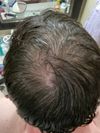
community 3 Months on Finasteride with Side Effects - Should I Switch to Dutasteride?
The user has been using finasteride for three months without improvement and is considering switching to dutasteride due to ongoing hair shedding and side effects. They are also inconsistently using minoxidil.
community Has anyone had suicidal thoughts because of their ruined appearance?
The conversation discusses feelings of despair and low self-worth due to hair loss and other perceived physical shortcomings. The user expresses a lack of motivation and struggles with societal expectations, despite trying various self-improvement methods.
community When to switch finasteride/dut?
community Kintor's email response to me, regarding false advertising, and my proposal for them to develop a topical dut formulation with meaningful efficacy.
Kintor apologized for using misleading images in their advertisements and promised stricter review processes. They are also considering developing a topical dutasteride formulation.
community My Last Post on this Subreddit: Nuclear Option
User starts final hair loss regimen with various treatments and plans to leave subreddit for mental health. Others believe user's hair is fine and the regimen is unnecessary and potentially harmful.
community British tabloid dutasteride fear mongering
The conversation discusses the impact of hair loss treatments like dutasteride and finasteride, with some users expressing skepticism about media claims linking these drugs to severe side effects like suicidal ideation. Many participants criticize the media, particularly British tabloids, for fearmongering and emphasize the psychological impact of hair loss itself.
community Hydrophobic Finasteride. Why don’t we have it?
The conversation discusses the potential benefits of creating a hydrophobic version of finasteride to reduce systemic side effects while maintaining scalp health. It compares this idea to fluridil, which is designed to be hydrophobic and has less systemic absorption.
community My Experience Switching from Finasteride to Dutasteride
Switching from finasteride to dutasteride improved erections, sex drive, and mood for one user, though experiences vary widely. Some users report fewer side effects with dutasteride, while others experience more severe issues or hair loss.
community So what happened here with Landon Donovan?!
community Switching generic brands
The user noticed slight hair loss after switching to Milpharm finasteride and is considering switching to Accord finasteride. They seek advice on whether to continue with Milpharm or switch brands.
community Galenic lotion. Science behind the components
A user is considering a hair loss treatment lotion containing minoxidil, adenosine, caffeine, melatonin, and azelaic acid, questioning the interaction between caffeine and adenosine receptors. Another user suggests adding a topical anti-DHT ingredient like spironolactone, noting it should not be taken orally by men.