Hair loss treatments discussed: Minoxidil, Finasteride, RU58841, and Spironolactone. Woman with androgenetic alopecia and alopecia areata shares experience using Spironolactone.
A person is experimenting with microneedling on one temple while using Minoxidil to address hair loss. They plan to needle weekly and apply Minoxidil twice daily, avoiding application around needling sessions.
Minoxidil may not be effective due to low sulfotransferase activity, and the user considers adding tretinoin to the regimen. They are unsure about the timing and combination with microneedling.
OP experienced diffuse thinning for 11 years and used Minoxidil and Finasteride previously. They now use Pyrilutamide 0.5% and Alfatradiol 0.1%, resulting in significantly reduced hair loss.
Automatic-Law-3612's progress with hair loss treatments, including topical finasteride, topical dutasteride, minoxidil and pyrilutamide. They have been using these products for two weeks and noticed baby hairs in their temples getting longer.
A user received a custom topical treatment for hair loss from Rootsbyga, which includes minoxidil and possibly other ingredients to enhance its effectiveness. The initial test cost $120, and the monthly topical costs around $70, with concerns about long-term use of steroids like hydrocortisone.
User shared 6-month progress using topical finasteride, biotin, and occasional dermarolling, reporting no side effects except possible depression. Replies praised the results and shared personal experiences with finasteride.
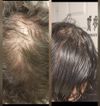
A user reports significant hair density increase and new growth at the temples after two months of using finasteride, minoxidil, ketoconazole, dermarolling, MK-677, zinc, and vitamin D3, with shedding stopping a week ago. They recently added MK-677 to their regimen.
The user was using 1mg finasteride daily and oral minoxidil 2.5mg daily for two years, then added RU58841 to their routine two months ago and is asking for opinions on any changes in hair growth. They provided progress pictures without dermarolling and maintained consistent lighting for comparison.
A user shared their four-year experience using 0.5mg dutasteride and topical minoxidil once daily for aggressive early hair loss, maintaining their hairline and regrowing hair on the vertex. They've experienced positive social feedback and increased confidence but also deal with dry eyes from dutasteride and worry about its long-term effects and cost.
Pyrilutamide, a potentially effective hair loss treatment; other topical treatments like RU58841 and CB-03-01 that may have fewer side effects than Pyrilutamide; and the Phase 3 clinical trials of Pyrilutamide, which is likely to be approved by the FDA soon.
The user plans to mix Kirkland minoxidil with spironolactone tablets for hair loss. They cannot use finasteride, saw palmetto, or spearmint tea due to side effects like insomnia and low testosterone.
A user is experiencing ongoing hair loss despite using 0.5mg dutasteride and 2.5mg oral minoxidil for several years and is seeking advice. Suggestions include ensuring correct diagnosis, checking for other health issues, considering finasteride, trying topical antiandrogens, and consulting a dermatologist.
The user changed their hair loss treatment in October/November, experienced increased shedding, and now sees no new hair growth, with a worsening condition and a possible bald spot. They also have severe seborrheic dermatitis, which may be affecting their scalp and hair loss.
An update on the use of Pyrilutamide, a new drug for hair loss, which has resulted in no shedding or testicle ache; other users have questioned the science behind this and shared their own experiences with Finasteride, Minoxidil, and microneedling.
DLQ01, a prostaglandin F2α analog, shows promise for hair growth by directly stimulating PGE2/PGF receptors without needing conversion, and can be combined with minoxidil and retinoids like tretinoin for enhanced effectiveness. Minoxidil's efficacy may be reduced by COX-1 inhibitors, but using prostaglandin analogs like Latanoprost or Bimatoprost can help maintain its effectiveness.
The conversation discusses using topical spironolactone for temple hair loss, alongside low-dose minoxidil and possibly PDRN injections, without finasteride or dutasteride. The user is skeptical about the injections due to cost and mild hair loss severity.
A user is testing clascoterone (Winlevi) on their scalp for hair loss and has noticed a reduction in scalp sebum after one month. They are also using other unspecified treatments and plan to provide an update after the second month.
Pyrilutamide is officially available for purchase, and users suggest Fluridil as an alternative topical anti-androgen. Some users report positive results with pyrilutamide from Koshine.
Clascoterone 5% shows potential for hair thickening and darkening, especially when combined with treatments like finasteride. It may be a good alternative for those who experience side effects from other treatments.
The conversation is about using pyrilutamide and RU58841 as topical solutions to prevent hair loss. Pyrilutamide is considered safer but less potent than RU58841, which some users find effective despite potential side effects like heart palpitations.
The user is experiencing severe hair shedding after using RU58841, stemoxydine, and minoxidil, and has stopped using finasteride due to side effects. They hope the shedding is temporary and will lead to regrowth.
The user is considering a second hair transplant or scalp micropigmentation to address thinning in the crown area and hide scars from a previous transplant. They have been using finasteride and minoxidil for three years but are concerned about the appearance of their donor area and the effectiveness of scalp micropigmentation.
User experienced itching, redness, and hives from Minoxidil foam and is questioning if they are allergic to Minoxidil or another ingredient. They have switched to oral Finasteride.
The conversation discusses using topical spironolactone for hair loss, with the original poster already using oral and topical minoxidil, dutasteride, and latanoprost. Opinions differ on the effectiveness and safety of adding spironolactone, with some users suggesting alternative treatments like finasteride and vitamin supplements.
The conversation discusses the potential of developing a selective oral SARM to target androgen activity in the scalp and skin, as an alternative to oral Dutasteride and Finasteride, which have systemic side effects. It also mentions Clascoterone and RU58841 as topical treatments for hair loss.
Alfatradiol is discussed as a hair loss treatment with minimal side effects, but its effectiveness is debated, and it's not widely known or available outside Germany. Some users report side effects like gyno and ball ache, while others find it effective in stopping shedding and itching.