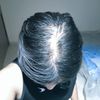
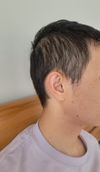
Hair regrowth progress after two months using oral finasteride, oral minoxidil, biotin, and vitamins. Significant improvement with new hair growth and reduced shedding.
The user experienced increased hair shedding after one month on 0.25 mg finasteride, despite initial improvement. This shedding may be a normal phase in the hair cycle and could improve in the coming months.
Addressing hair loss by checking vitamin D and iron levels is crucial before adding more treatments. Supplementing these deficiencies can significantly reduce shedding.
The user is experiencing increased hair shedding, scalp sensitivity, and itching despite using finasteride for four months, and has tried various shampoos without relief. They are advised to consult a dermatologist for potential scarring alopecia and consider other treatments like adding Dutasteride.
A 20-year-old male switched from MorrF5 to Zeelab’s MinoxilF, both containing minoxidil 5% and finasteride 0.1%, and is experiencing unexpected hair shedding. He is seeking guidance on whether the shedding is due to the brand change or if it's a normal reaction.
User is experiencing hair loss despite using Minoxidil, finasteride, RU58841, dermarolling, and supplements like fish oil, collagen, hyaluronic acid, and biotin for over a year. They feel mentally distressed as their hair isn't growing longer and they avoid barbers and hats to hide thinning.
The user is experiencing hair loss without a family history and suspects stress or telogen effluvium (TE) as the cause, despite using finasteride without results. Others suggest stress, vitamin deficiencies, or other conditions could be factors, and some mention that balding can occur without a family history.
A user started finasteride for hair loss and saw improvement, but is now experiencing shedding and thinning in new areas. They added Nizoral due to dandruff caused by finasteride. Replies suggest that shedding is normal around 6 months and advise to stick with the treatment.
The user has been using 2mg minoxidil and 1mg finasteride daily for over a year, with inconsistent use for two months, and is experiencing a shedding phase. Suggestions include adding dutasteride, micro-needling, and considering a shorter haircut to manage appearance during shedding.
The user has been experiencing prolonged hair shedding despite using Dutasteride, Minoxidil, and topical Finasteride, with blood tests showing high free testosterone and low SHBG. Suggestions include adjusting Minoxidil dosage, considering topical anti-androgens like RU58841, and addressing metabolic factors to increase SHBG.
The user is using finasteride for hair loss and is frustrated with shedding but plans to add oral minoxidil for convenience and safety. There are concerns about using topical minoxidil around pets.
The user experienced initial regrowth with finasteride and minoxidil but is now facing increased hair thinning, possibly due to a second shedding phase. They are considering increasing finasteride dosage or adding dutasteride, despite availability issues, and have started microneedling.
The user experienced increased hair shedding and thinning after 6 months of using finasteride, despite using minoxidil and keto shampoo. They are considering switching to dutasteride due to concerns about the lack of improvement.
The conversation discusses identifying permanent hair loss and includes treatments like microneedling and biotin vitamins. The user is unsure whether the reduction in wispy hairs is due to hair revitalization or loss.
OP increased their dutasteride dosage from 0.1mg to 0.5mg and initially saw regrowth but is now experiencing significant hair shedding. They are concerned if this shedding is normal or if they should revert to the lower dosage.
The user feels hopeless about hair loss despite using finasteride, dutasteride, minoxidil, and RU58841, and having a hair transplant. They are advised to maintain consistency in treatment, consider increasing dutasteride dosage, and explore topical solutions for better results.
A 33-year-old male experienced sudden, rapid hair loss, possibly due to a reaction to mentholated shampoo and undiluted tea tree oil, with a history of seborrheic dermatitis. He is currently taking finasteride, vitamin D3, a multivitamin, and biotin, and is seeking further medical evaluation.
The conversation humorously suggests that drug use might be more effective for hair retention than traditional treatments like minoxidil or finasteride. It attributes full heads of hair in homeless individuals to lifestyle factors like reduced stress or hormonal changes.
LazyJam shaved their head after not seeing significant results from using finasteride and microneedling for hair loss, feeling more self-acceptance and saving money. Others in the conversation discuss their own reasons for continuing hair loss treatments, such as personal appearance, self-esteem, and not wanting to shave regularly.
The user is experiencing hair loss despite using oral dutasteride for 7 months and topical minoxidil for 3 months. They are concerned about miniaturization and question if the current minoxidil application is less effective without the previous finasteride mix.
A user experienced significant hair loss after starting microneedling, despite using dutasteride and topical minoxidil. They are advised to consult a doctor as the shedding pattern is unusual and may indicate alopecia areata or other scalp conditions.
A 19-year-old male experienced significant hair loss, initially thought to be male pattern baldness (MPB), and used minoxidil and briefly finasteride. After realizing the issue was telogen effluvium (TE), he improved his diet and supplemented with vitamins, which led to substantial hair regrowth.
The user is experiencing excessive hair thinning and is unsure of the cause. They are seeking opinions on treatments like Minoxidil, finasteride, and RU58841.
A 28-year-old male is experiencing hair loss, possibly due to seborrheic dermatitis, itchiness, or shampoo use, and is considering treatments other than minoxidil or finasteride. He plans to consult a doctor for further advice.
After years of using dutasteride and oral minoxidil without success, the individual decided to shave their head and stop treatment. They considered scalp micropigmentation and hair systems but ultimately accepted their hair loss.
A 20-year-old male with a high hairline seeks advice on potential hair loss, noting a family history that typically doesn't progress beyond Norwood 2. A user suggests it appears to be a mature hairline rather than hair loss and advises monitoring for changes.
An 18-year-old experiencing hair loss and seborrheic dermatitis has tried finasteride, dutasteride, and various shampoos without success. They are considering anti-androgens like RU58841 and KX-826 for oil control and dandruff reduction.
Minoxidil and finasteride are used for hair regrowth, but initial shedding can be distressing. Consistent use is important, and many users eventually see regrowth and thickening.