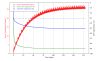
User shared 6-month hair loss treatment update with Dut 3x/week, oral min, and dut+prp mesotherapy. Experienced positive results, no side effects, and recommends the regimen.
The user has been using minoxidil for hair loss and is considering trying a compounded topical treatment with 0.1% dutasteride, minoxidil, tretinoin, collagen, and silicon, as recommended by a trichologist. They learned that dutasteride might be more effective than finasteride and are seeking opinions on the use of topical dutasteride.
The conversation is about someone who has been using finasteride and minoxidil for over three years without satisfactory results for hair thinning. They have started using dutasteride and added RU58841 seven months ago but have not seen improvements yet.
A new hair loss treatment called TDM-105795 is discussed as a potential replacement or add-on to Minoxidil. Users express hope for new effective treatments.
The user experienced improved libido and erections after reducing DHT levels with 0.5mg of dutasteride once a week, despite previous side effects from finasteride. They are also on testosterone replacement therapy and have not noticed major personality changes.
Considering a switch from finasteride to dutasteride for hair loss treatment, and the use of minoxidil as a last resort due to its effects on hair texture.
A user has been using finasteride and minoxidil for hair loss without success and is considering switching to dutasteride. They are concerned about low DHT levels and are seeking advice on how to implement dutasteride effectively.
A 55-year-old user shared progress pictures after 5 months of using dutasteride 6 times a week and minoxidil 2.5 mg daily, reporting hair regrowth and some side effects like mild erectile dysfunction and foot swelling. The user attributes recent hair loss to creatine and notes improvement after adjusting the treatment regimen.
The conversation discusses a personal theory on the role of DHT in stress and reproduction, suggesting it converts testosterone for reproductive traits. The discussion includes skepticism and mentions individual differences in physiology and neurochemistry.
A 40-year-old shared progress pictures showing results after 3.5 months of using dutasteride for hair loss. The conversation likely discusses this specific treatment and its effects on hair regrowth.
A 24-year-old is using 1 mg oral dutasteride and 1 mg oral minoxidil daily, along with monthly mesotherapy including zinc, dutasteride, minoxidil, biotin, and panthenol, to treat hair loss. The user is considering increasing the minoxidil dose but will consult with their doctor first.
A 21-year-old experiencing diffuse thinning is considering switching from finasteride to dutasteride after using topical and oral minoxidil and finasteride. They have seen some regrowth but are concerned about overall density loss, especially at the crown.
Vitamin D may counteract DHT and help with hair growth, as seen in mice and human hair cultures. Some users discuss using Vitamin D, magnesium, and other supplements for hair health, while others humorously note the success in mice.
The user has been using Minoxidil and finasteride with success and is now trying Dualgen-5R with retinoic acid but without finasteride, along with microneedling. They plan to share results in 5-6 months.
The user is starting Dutasteride mesotherapy and seeks advice on whether to apply the solution immediately after microneedling or wait 12-24 hours. They couldn't find instructions for first-timers.
The user switched from finasteride to dutasteride, taking 0.5 mg oral dutasteride and 2.5 mg oral minoxidil daily, and reported significant hair regrowth with no side effects. The user experienced a shedding phase lasting a bit over a month after switching to dutasteride.
A person had a hair transplant at Diamond Hair Clinic with Dr. Mehmet Demircioglu using the Sapphire FUE method with 4500 grafts. They are using Duasteride, oral and topical Minoxidil, and vitamins for recovery and hair growth.
The user experienced significant hair regrowth after switching from finasteride and minoxidil to dutasteride. They believe dutasteride is highly effective for treating hair loss.
The conversation discusses a 13-month hair loss treatment update using dutasteride, minoxidil, nizoral, and a 1.5mm derma roller, with the original poster reporting no side effects and some improvement in hair thickness. Participants request before-and-after pictures with consistent hairstyles to better assess the treatment's effectiveness.
The user has been using oral Dutasteride, RU58841, and Minoxidil for three years without success and is considering adding topical Finasteride or Dutasteride to target DHT both locally and systemically. Other users suggest sticking to a consistent treatment plan, exploring different combinations, and considering other factors like potential misdiagnosis or inconsistent medication use.
The conversation discusses DIY cosmetic procedures like PRP, mesotherapy, and micro-needling, with some users experimenting with Minoxidil, finasteride, and RU58841 for hair loss. It highlights a community of mostly older women performing these treatments themselves.
TDM-105795 showed promising hair growth results, with higher efficacy than placebo and minimal side effects. It activates dormant hair follicle stem cells and may maintain gains without immediate loss, unlike minoxidil.
The conversation discusses combining oral dutasteride with topical finasteride to further reduce scalp DHT levels for hair regrowth. Users debate the effectiveness and safety of this combination, with some suggesting alternatives like topical antiandrogens such as RU58841, fluridil, and alfatradiol.
The user switched from finasteride to 0.5mg oral dutasteride and added 2.5mg oral minoxidil, along with occasional microneedling, to improve hair regrowth. They reported no side effects and are hopeful for continued progress, especially in the temple area.
Using dermaneedling or dermapen for hair loss while managing seborrheic dermatitis and dandruff. Treatments mentioned include ketoconazole, peppermint and jojoba oil, and rubbing alcohol.
A Dutasteride Simulator predicts serum dutasteride, serum DHT, and scalp DHT levels using models from research papers. It simulates various dosing schedules to determine steady-state effects and visualizes outcomes, including hair growth-related scalp DHT suppression.
The conversation discusses the effectiveness of different doses of Dutasteride (Dut) in reducing scalp DHT levels. It suggests that 1mg and 1.5mg doses would reduce scalp DHT by amounts between 51% and 79%.
The user shared progress on hair restoration using dutasteride, oral minoxidil, and 2800 grafts, noting significant improvement in hair thickness and coverage. They discussed the importance of continuing DHT blockers like finasteride or dutasteride post-transplant to prevent further hair thinning.
OP used 1mg finasteride for 4 years, then had a hair transplant, and for the past 6 months has been using 0.5mg dutasteride and 2.5mg oral minoxidil twice daily. The treatments resulted in significant hair density and thickness improvement.
Switching from finasteride to dutasteride led to hair density loss, prompting consideration of returning to finasteride. Consistency with dutasteride and adding RU58841 did not prevent the loss, and users suggest giving dutasteride more time or consulting a dermatologist.