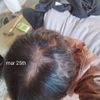
A user is using oral finasteride, oral dutasteride, and drinking topical minoxidil for hair loss, despite health warnings. Switching from finasteride to dutasteride did not improve hair density.
The user is experiencing hair loss despite using dutasteride and minoxidil and is considering adding RU58841 or other treatments like microneedling. Suggestions include stopping smoking, trying dutasteride mesotherapy, using tretinoin, maintaining a healthy lifestyle, and possibly using a red light cap.
A child accidentally took Avodart, leading to concerns about DHT suppression and its effects. Users humorously discuss potential consequences and treatments like DHT injections and topical solutions.
A user shared their 1-year and 3-month hair loss treatment progress using 0.5mg Dutasteride daily, topical and then oral Minoxidil, and microneedling, noting hair darkening and some side effects like watery semen and testicular pain. Despite initial setbacks after switching to oral Minoxidil, they are seeing progress and plan to increase the dosage.
The conversation discusses making homemade topical solutions of dutasteride or finasteride using tablets, with suggestions to use alternatives like MinoxidilMax or stemoxydine due to difficulties in formulation. Some users recommend sticking to oral pills for effectiveness and ease.
The conversation discusses using minoxidil, finasteride, spironolactone, and RU58841 for hair loss treatment. Users share experiences with these treatments, noting side effects and varying effectiveness.
A 30-year-old male is using dutasteride, minoxidil, ketoconazole shampoo, and various supplements for hair loss, reporting no sexual side effects but experiencing tinnitus. He stopped microneedling and tretinoin cream, saw quick results, and experiences low-intensity shedding.
A 20-year-old has been using finasteride for 2 years and switched from 5% to 10% minoxidil, causing issues. The doctor now prescribes 5% minoxidil twice daily, dutasteride on alternate days, and 3 PRP sessions for hair regrowth.
The conversation discusses using finasteride, dutasteride, RU58841, and testosterone to combat hair loss and block DHT, with some users expressing concerns about side effects and vegan options for medication. The discussion also touches on personal experiences with hormone treatments and the desire to maintain a youthful appearance.
The conversation is about concerns regarding the safety of using stemoxydine (Serioxyl Advanced) around cats, with the user also using minoxidil, oral minoxidil, dutasteride, and microneedling for hair loss. The user is seeking advice on whether stemoxydine is toxic or lethal to cats.
Switching from finasteride to dutasteride worsened hair loss and caused a burning sensation. Users suggest sticking with finasteride, using ketoconazole shampoo, and consulting a dermatologist.
The user is happy with the progress in hair density after using a regimen of oral Dutasteride, topical Minoxidil, Tretinoin cream, Ketoconazole shampoo, and an LLLT helmet. They reported no side effects and noted that Dutasteride and Tretinoin were particularly effective.
The user has been using topical finasteride and minoxidil for five months with little progress and is considering oral dutasteride to lower DHT levels, questioning if minoxidil is more effective with reduced DHT. They also use microneedling and tretinoin in their treatment routine.
OP has been using oral minoxidil (5mg) and oral dutasteride (0.5mg) but sees little progress and is unsure if they should continue. Other users suggest being consistent, giving it more time, and addressing scalp inflammation.
The user is concerned about the safety of combining 4mg oral Minoxidil, 450mg caffeine, and 6 hours of intense weight lifting. They are seeking reassurance that this combination won't be harmful.
A user is considering taking oral minoxidil 3mg every other day or thrice a week to minimize side effects and save money. They seek opinions on this dosing strategy.
The user has been using oral finasteride and topical minoxidil for over three years without regrowth, despite reduced hair loss. They are hesitant to try oral minoxidil and dutasteride due to potential side effects and cost, and have not found success with tretinoin or microneedling.
Combining finasteride with minoxidil and tretinoin is discussed, with concerns about potential overdose. It is suggested that high doses of finasteride do not provide additional benefits beyond 1 mg.
Microneedling before applying topical finasteride or dutasteride may enhance their effectiveness by increasing local absorption in the scalp, despite concerns about systemic absorption. Users discuss combining this method with oral treatments and minoxidil, noting potential benefits and side effects.
A user expressed concern about using low-dose topical finasteride while conceiving, but was reassured that the risk of affecting a fetus is negligible. The user stopped using finasteride during pregnancy and switched to minoxidil and ketoconazole, while others shared experiences and advice on using these treatments safely.
Minoxidil bottle developed crystals, possibly due to air exposure, but the trichologist advised not to worry. The user questions the advice, noting the lack of recommendations for finasteride or derma rolling.
The user experienced hair improvement using 1mg finasteride daily for six months, managing seborrheic dermatitis with rosemary and eucalyptus oil. They are considering switching to dutasteride for potentially better results.
A user is starting a hair loss treatment with Minoxidil (5 mg oral and 10% topical), Dutasteride, and Zinc, and is concerned about the high dosages. Other users suggest following the dermatologist's advice, starting with topical treatments, and discussing dosage concerns with the doctor.
A 24-year-old male with androgenetic alopecia is using a treatment of Dutasteride 0.5 mg, oral Minoxidil 2.5 mg, L-cysteine, and a Ketoconazole/Caffeine/CBD shampoo. He's considering using a dermaroller to improve results, taking biotin and iron vitamins, and quitting nicotine due to its potential link to hair loss.
The discussion focuses on hair loss treatments, with suggestions to increase oral Dutasteride to 1 mg or more, as topical Dutasteride is less effective. Other treatments mentioned include RU58841, Minoxidil, and dermastamping, with some users recommending injectable mesotherapy and topical Finasteride.
Topical dutasteride may have limited absorption due to its higher molecular mass compared to finasteride, potentially affecting its efficacy in suppressing DHT locally. Microneedling might enhance dutasteride absorption, possibly offering stronger local DHT suppression with fewer systemic effects.
The user is using Dutasteride and oral Minoxidil for hair regrowth and is considering adding topical Minoxidil but is allergic to propylene glycol, which is present in the product they found. They need a solution with tretinoin that does not contain propylene glycol.
The user has maintained hair thickness using oral finasteride and minoxidil for four years, with suggestions to consider dutasteride or a hair transplant for further improvement. Some users recommend trying topical minoxidil with tretinoin or increasing the oral minoxidil dose for better results.
A user reversed hair loss using 0.5 mg of dutasteride daily without side effects. Others noted hair thickening but questioned the absence of minoxidil use.