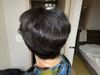
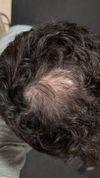
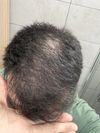
A user is using oral finasteride, oral dutasteride, and drinking topical minoxidil for hair loss, despite health warnings. Switching from finasteride to dutasteride did not improve hair density.
Tretinoin can increase hair follicles and is used alongside minoxidil and finasteride for hair growth, though it may cause skin peeling. Users report varying results, with some experiencing regrowth and others questioning its efficacy for hair.
The user is experiencing hair loss despite using finasteride and Rogaine, with conflicting diagnoses from different hospitals. One suggests no hair loss, while another recommends continuing medication; a suggestion to see a dermatologist for proper assessment is given.
A 30-year-old man shares his positive experience with a topical solution containing 0.1% finasteride, 7.5% minoxidil, tretinoin, caffeine, and fluocinolone acetonide after experiencing side effects from oral finasteride and no results from 5% minoxidil. He reports noticeable hair growth in two months with minimal side effects, attributing success to the new topical combination.
The user has been using Minoxidil, finasteride, and a dermaroller for a year with little effect on hair loss. They are considering a hair transplant and are questioning the number of grafts needed and the feasibility of transplanting onto a partially bald scalp.
Using finasteride may slow beard growth due to reduced DHT, but minoxidil can enhance beard growth. Some users report slower beard growth on finasteride, while others see continued improvement with minoxidil.
The conversation is about hair loss treatments, with a focus on using coconut/rosemary oil, minoxidil, and finasteride. Oils may help with scalp health, but minoxidil is for regrowth, and finasteride or dutasteride is needed to stop hair thinning.
A user was prescribed a combination of 0.6mg dutasteride, 5mg minoxidil, and 1mg zinc daily for hair loss, which is higher than standard doses. Other users suggest starting with lower doses, especially for minoxidil, and recommend seeking a second opinion.
Iron and zinc vitamins helped improve hairline regrowth for someone with celiac disease. Nutrient deficiencies, like iron, can contribute to hair loss, especially around the temples.
Managing seborrheic dermatitis using ketoconazole shampoo, Nizoral, and oils like MCT and coconut oil. The user considers shaving their head and consulting a dermatologist.
The user experienced initial success with topical finasteride 0.025% and melatonin but noticed rapid hair thinning after three months. They are considering switching to a higher dose of topical finasteride or oral finasteride, as advised by others, while being cautious about potential side effects.
The user is exploring hair loss treatments in China, currently using finasteride and minoxidil, and is concerned about seborrheic dermatitis. Clinics are recommending selenium sulfide, doxycycline, and mesotherapy ampoules like PT88/PT66 or SP88/SP66, but the user is unsure about their effectiveness.
Using estrogen for hair regrowth is considered ineffective and risky, with potential side effects like breast growth and hormonal changes. Alternatives like finasteride, dutasteride, and minoxidil are suggested, but estrogen is not recommended unless transitioning.
A 25-year-old experienced worsening hair loss and side effects like low libido and watery semen after using minoxidil, finasteride, and later switching to dutasteride. Despite trying various treatments, including topical solutions and micro-needling, they saw no improvement and are now seeking advice.
The user shared their hair growth journey using minoxidil, finasteride, and ketoconazole shampoo, along with vitamins and serums, reporting significant progress in five months. They emphasized the importance of stress management and plan to add a derma roller, castor oil, and a high-protein diet.
A user shared their experience using 5% minoxidil twice daily, 1 mg finasteride daily, and weekly derma stamping for hair loss, noting no crown thinning but front diffuse thinning and hairline issues. They experienced fewer side effects on 0.5 mg finasteride but returned to 1 mg, and did not experience shedding after starting treatment.
The user is considering using minoxidil, finasteride, and microneedling for hair regrowth and is concerned about maintaining progress if they stop microneedling. They are also contemplating switching from topical to oral minoxidil for convenience.
The user discusses their hair regrowth success with minoxidil, red light therapy, massage, and derma stamping but expresses concerns about using finasteride due to potential side effects. They are interested in using clascoterone as a topical treatment for hair loss and are exploring the possibility of creating a topical formula from raw clascoterone powder.
A 31-year-old male switched from topical to oral Minoxidil (2.5 mg) and Finasteride (0.6 mg) but feels it's less effective, noticing less hair density and thickness. He is concerned about the effectiveness of the oral treatment compared to the previous combination with topical Minoxidil.
The user switched from topical to oral minoxidil (5mg daily) a year ago, saw no improvement, and experienced chest pain and trouble sleeping after stopping. They are considering whether to resume and taper the dosage due to stress and anxiety.
A 35-year-old is seeking advice on hair loss treatments, considering minoxidil, finasteride, and possibly a hair transplant in Turkey. They have previously tried microneedling for a year.
The conversation discusses hair loss treatments, specifically the use of finasteride, dutasteride, and RU58841. The user is seeking alternatives after finasteride failed to stop hair loss, with suggestions to try dutasteride or consider RU58841 under caution.
A 19-year-old male is experiencing hair loss and has been prescribed finasteride by a Telehealth company. He plans to start finasteride, improve his lifestyle, and take supplements like DIM and Zinc to manage potential side effects.
A user shared positive results from using 0.5 mg finasteride daily for 3.5 months, noting no side effects and visible hair regrowth. Others commented on their experiences, with some expressing hope and others cautioning about potential side effects.
The user experienced hair regrowth over four months using 5% topical minoxidil, oral biotin, and saw palmetto. They also use rosemary and mint conditioner and biotin shampoo.
The user experienced significant hair regrowth and improved hair health after 5 months of using 0.5mg finasteride and 2.5mg minoxidil daily, with only minor side effects like reduced libido. The user is optimistic about achieving over 90% regrowth and may not need a hair transplant.
Starting with 5 mg of oral minoxidil for faster initial results, then reducing to 2.5 mg to maintain progress. The user seeks opinions on this approach.
A man used finasteride, minoxidil, and a derma pen for a year to improve hair growth with no significant side effects. He plans to continue the treatment and explore new options.
A 30-year-old is using rosemary oil and starting microneedling to address weakening hair, seeking advice on frequency and combination. Another user suggests using finasteride and minoxidil for better results, criticizing the effectiveness of rosemary oil and emphasizing the importance of understanding hair loss causes.
The conversation discusses using Dutasteride, Finasteride, and Minoxidil for hair loss treatment. The user plans to gradually increase Dutasteride dosage to 2.5mg if no side effects occur, while others suggest combining it with Minoxidil and microneedling for better results.