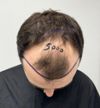
Researching the cause of hair loss and treating it by preventing DHT in the scalp with medication such as finasteride or dutasteride, estrogen, minoxidil, dermarolling, and possible topical antiandrogens.
A user is seeking advice on obtaining oral minoxidil in Australia through telehealth services. They are considering options like Mosh and are unsure if they should mention previous use or claim it's for hypertension.
The conversation discusses hair loss treatments, focusing on finasteride, minoxidil, and other options like PRP and ketoconazole. It highlights the importance of asking specific questions during a dermatology visit to determine the cause of hair loss and appropriate treatments.
A dermatologist refused to prescribe finasteride due to concerns about recent research linking it to male breast cancer, suggesting a topical alternative with minoxidil instead. The user is advised to seek a second opinion, as the evidence for such risks is inconclusive and the dermatologist's reasoning seems questionable.
The potential of using Verteporfin to prevent hair loss scars and possible regrowth, with two doctors currently testing it, although the price of a 15mg bottle is expensive.
The conversation discusses the potential of a new hair loss drug, CB-03-01, with users sharing their experiences and seeking advice on dosages and application methods. One user mentions using topical finasteride, minoxidil, dermarolling, and a clean diet for hair maintenance but is interested in CB-03-01 due to side effects from finasteride.
Finasteride treatment is being considered, and it's advised to track DHT, testosterone, estradiol, and SHBG levels to monitor hormonal changes. These tests will help understand the treatment's impact.
The conversation is about someone seeking information on long-term users of CB-03-01 for hair loss, having experienced negative side effects from finasteride and facing rapid hair thinning.
The conversation is about hair loss treatments, specifically mentioning finasteride, minoxidil, and the possibility of a hair transplant in Turkey. Users share humorous reactions and personal experiences with these treatments.
The user is exploring hair loss treatments in China, currently using finasteride and minoxidil, and is concerned about seborrheic dermatitis. Clinics are recommending selenium sulfide, doxycycline, and mesotherapy ampoules like PT88/PT66 or SP88/SP66, but the user is unsure about their effectiveness.
The user has been taking oral Finasteride and topical Essengen 6 Plus for hair loss and is experiencing increased depression. They plan to get bloodwork to check hormone levels and are seeking advice on which tests to include.
Dutasteride can be prescribed in the U.S. through online services like Dr. B, HiDrB.com, and PushHealth, or by finding a willing dermatologist or PCP. Many users report success with these methods, often at low costs with insurance.
Finasteride is effective for treating male pattern baldness (MPB) with minimal side effects, and topical finasteride is similarly effective. Dutasteride is also effective but less understood, and Minoxidil is less effective than Finasteride.
The conversation discusses the high prices of hair loss treatments, specifically cb-03-01 and KY19382. It also mentions the use of Minoxidil, finasteride, and RU58841.
The user is considering getting blood work to investigate the cause of ongoing hair loss despite using finasteride and dutasteride. Others suggest that while blood tests can provide useful health information, they may not change the hair treatment outcome.
A user is seeking a prescription for topical finasteride with minoxidil from their general practitioner, preferring it over buying online. They are advised that a dermatologist might be needed for the prescription, and alternatives like CVS clinics or online services are suggested.
The conversation is about a person using oral minoxidil, biotin multivitamins, dutasteride lotion, a hair growth serum with redensyl, capixyl, and procapil, ketoconazole with zinc shampoo, and monthly PRP treatments with a derma roller for hair growth. Someone encouraged them to continue with their regimen.
A user shared impressive progress at 4 months post-hair transplant with 5120 grafts by Dr. Ahmet Yildirim in Istanbul. The user expressed satisfaction with the results, which exceeded expectations.
Selecting a hair transplant clinic requires avoiding pitfalls like prioritizing quantity over quality and aggressive sales tactics. Ensure the clinic uses experienced surgeons and recommends treatments like minoxidil and finasteride before a transplant.
A user visited a dermatologist for hair loss concerns and was prescribed a hair lotion called "Lotion revolotion evdermia," which is meant for hair toning, hydration, and anti-aging, not regrowth. The user found the dermatologist's behavior and the prescription to be questionable.
Minoxidil helps regrow hair, while finasteride prevents hair loss. It's common to use both for androgenetic alopecia; consult your doctor if unsure about the treatment plan.
A user noticed increased hair loss and was prescribed Betamethasone dipropionate 0.05% lotion by a dermatologist. Another user suggested changing doctors and asking for finasteride instead.
The user has been experiencing hair thinning despite taking finasteride and minoxidil for six months. Bloodwork suggests a vitamin D deficiency, and users recommend consulting a doctor and possibly supplementing vitamin D.
A 24-year-old shared a 4-month update on their hair transplant of 3900 grafts done by Dr. Serkan Aygin in Turkey, costing 3100 euros. They have been using topical minoxidil at night and 1mg of finasteride daily for about a year and a half before the transplant.
The conversation discusses hair loss treatments, specifically Minoxidil, finasteride, and RU58841. It mentions a CEO becoming the first patient for HairClone.
PP405 and ABS-201 are promising treatments for male pattern baldness. PP405 shows rapid hair growth in human trials, while ABS-201 shows significant regrowth in animal studies but is still in early human trials.
Amplifica starting clinical trials for new hair loss drug. SCUBE3 protein discovered, stimulates hair growth, could be alternative to Minoxidil and Finasteride.
The user is experiencing diffuse thinning and inflammation despite using 2.5mg dutasteride daily, ciclopirox, and ketoconazole shampoos. They are considering treatments like hydroxychloroquine and JAK inhibitors due to suspected scarring alopecia and have faced challenges in obtaining a scalp biopsy.
David Barreto shared that a London-based research group is conducting a 12-month trial for a new nutraceutical treatment for pattern hair loss, designed with Dr. Carlos Puig. The trial aims to provide robust data, with results expected in 1-2 years, potentially representing a significant advancement since finasteride’s introduction in 1997.