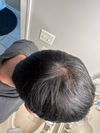
Hair loss discussion includes potential HMI-115 treatment. Topical mucuna pruriens shows good results, blocking prolactin possibly more important than blocking DHT.
The user is trying RU58841, oral minoxidil, and dermarolling to combat hair loss caused by increased scalp testosterone after using finasteride and dutasteride. They plan to document their results.
The user shared positive hair regrowth results using Minoxidil 5% and stinging nettle root over six months. They avoided finasteride due to concerns but are open to using it if needed.
The user experienced reduced hair loss using grey-market KX-826 alongside Minoxidil foam, achieving better results with Minoxidil liquid but restricted to foam due to an allergy. Initial side effects included shortness of breath, racing heart, and dizziness, which subsided after the first week.
A user is considering switching from finasteride to dutasteride after minimal success with finasteride, minoxidil, and other treatments. Another user reports positive results with dutasteride after switching from finasteride.
HMI-115, a newly discovered hair loss treatment that could potentially be effective for those with diffuse thinning and telogen effluvium. It is based on prolactin receptor antagonist signaling and has already undergone Phase I trials in women, with potential commercialization by 2027.
The user has been using 0.5 mg dutasteride and 2.5 mg oral minoxidil for a year, recently adding microneedling and topical minoxidil, with some improvement but the crown remains the weakest area. Consistency and realistic expectations are advised, as progress is slow and coverage is challenging with fine hair.
User shared 12-month hair loss progress using oral minoxidil, oral dutasteride, and 2% ketoconazole shampoo. They detailed their medication regimen and dosages.
The conversation discusses a 6-month hair loss treatment update using 1mg finasteride and 5% minoxidil daily. Some users apply minoxidil once or twice a day, and there's no mention of using a dermaroller or dermastamp in the treatment.
A 42-year-old male has been using finasteride successfully for over 10 years but is now experiencing thinning at the crown. He is considering adding minoxidil or switching to dutasteride for better results.
A user is trying to reverse male pattern baldness (MPB) naturally by taking high doses of Vitamin D, improving diet, exercising, reducing stress, and other lifestyle changes, but plans to use finasteride if no results are seen in 60 days. Other users are skeptical, advising medical treatments like finasteride and warning against potential vitamin D overdose and the ineffectiveness of natural remedies for genetic hair loss.
A 33-year-old man shares his positive hair regrowth results using 1mg finasteride daily, 5% topical minoxidil twice daily, and a 0.5mm dermaroller weekly. He feels more confident and encourages others to try the routine despite potential side effects.
A user shared their positive experience with hair regrowth using 1mg finasteride and 5% topical minoxidil daily, showing significant improvement in hair density over six months. The conversation includes supportive comments and questions about the treatment details, such as whether finasteride was taken orally or topically and if microneedling was used.
A 33-year-old male is documenting his hair regrowth progress using minoxidil, red light therapy, copper peptides, and micro-needling, with noticeable improvement in hair thickness and coverage. He plans to add a topical finasteride/minoxidil spray and aims for a shadow on his scalp rather than a full head of hair.
A 25-year-old with aggressive diffuse NW5 hair loss is using Minoxidil, oral Finasteride, RU58841, Ketoconazole, and dermastamping, experiencing slow progress and mental health struggles. Despite some visible regrowth, the user feels discouraged due to ongoing hair loss and is seeking reassurance and advice.
An 18-year-old has been using 5% topical minoxidil for 2 months for hair loss, with a history of vitamin D deficiency and thyroid imbalance. Users suggest starting finasteride and blocking DHT for androgenetic alopecia (AGA).
Despite using finasteride and dutasteride for years, the user experienced continued hair thinning and is now visibly balding. They are considering trying minoxidil but are doubtful about its effectiveness.
The user has experienced limited hair regrowth using 1mg oral finasteride, topical minoxidil foam, and occasional dermarolling since August 2023. They are considering switching to dutasteride, adding oral minoxidil 2.5 mg, and RU58841 to improve results.
A potential baldness cure, possibly PP405, might be available before the release of GTA 6, which is delayed to 2026 or 2027. There is skepticism about the effectiveness and release timeline of PP405.
Kintor's GT20029, a treatment for hair loss, has completed Phase 1 successfully, showing promise as an androgen receptor degrader that could potentially regrow hair. It is considered more effective than Pyrilutamide, with infrequent dosing and minimal systemic absorption.
A user's 11-month hair loss treatment progress using 0.5mg dutasteride every other day, 50mg RU58841 in the morning, 5mg oral minoxidil, topical minoxidil at night, and microneedling with a 1.5mm needle every other week. The user's improvement was significant, going from a severe hair loss stage (NW7) to a mild/moderate stage (NW2-3).
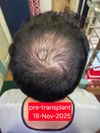
A 28-year-old male shares his 7-month progress after a crown hair transplant, using topical minoxidil foam, finasteride, and microneedling. He seeks feedback on whether his crown's progress is typical and if further thickening is expected between months 7 and 12.
Kintor is producing a cosmetic with KX826, starting at 0.5% concentration and moving to 1%. The 0.5% concentration wasn't as effective as minoxidil and finasteride, but the 1% concentration shows promise.
The user started using EssenGen 6-Plus, containing 6% minoxidil and 0.05% finasteride, along with 1% Nizoral shampoo, and reported noticeable hair growth in 7 weeks. They experienced some chest tightness but are monitoring it, and they are satisfied with the progress despite using a silicone-containing shampoo.
The person is using 1mg of finasteride daily, 2mg of minoxidil, and weekly dermarolling with a 1mm needle. They sometimes use topical minoxidil as well.
KX-826 shows promise for hair maintenance at higher doses with minimal side effects, despite failing Phase III trials. The user believes it is more effective than Minoxidil, Finasteride, and RU58841.
The user experienced hair regrowth using a combination of Minoxidil, Finasteride, and RU58841, with Minoxidil used initially and the other treatments added later. The user believes the combination of Finasteride and RU58841 contributed to the regrowth, with RU sourced from MVsupplement.
A user achieved significant hair regrowth from Norwood 3 to a dense Norwood 2 after five months using oral dutasteride, oral minoxidil, and a topical solution with minoxidil, retinoic acid, and hydrocortisone. The user reported no side effects and found the topical treatment especially effective for the hairline.