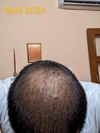
An 18-year-old with diffuse hair thinning is considering switching from a topical Minoxidil 10% + Finasteride 0.1% solution to Minoxidil 5% foam and oral Finasteride 0.5mg, while also addressing vitamin D deficiency and potential scalp inflammation. Users suggest using Nizoral shampoo for inflammation, considering dutasteride for better results, and maintaining vitamin D levels to protect hair follicles from DHT.
A user named "EgyptStar81" who has been dealing with hair loss since age 15 due to genetics, chemotherapy and finasteride/minoxidil treatment. Possible solutions such as dutasteride, oral minoxidil, hair transplants and extensions were suggested.
A 25-year-old male has been using finasteride and 2.5mg oral minoxidil for 8-10 months and is seeking advice on improving hair growth at the crown. He is considering whether to continue with finasteride or switch to dutasteride.
The conversation discusses using GHK Cu + AHK Cu peptides combined with topical dutasteride and minoxidil for hair regrowth. It mentions negative side effects of finasteride and promotes a specific copper peptide serum.
A 28-year-old has been using oral dutasteride 0.5 mg, topical minoxidil 5%, and Cafune shampoo for 104 days with positive results and is considering adding microneedling. No side effects from dutasteride have been reported.
The conversation is about hair loss treatments, specifically discussing the use of dutasteride, minoxidil, and the potential benefits of a DNA test and PRP therapy. Opinions vary, with some users skeptical about the DNA test and PRP, suggesting sticking with current treatments.
A 30-year-old MTF individual shared a 6-month update on hair loss improvement using minoxidil, retinol, and microneedling, along with lowering testosterone to reduce DHT. They reported positive results, feeling happier and more confident.
The user reports that their hair loss treatment with oral minoxidil, dutasteride, finasteride, topical minoxidil, ketoconazole shampoo, and microneedling has plateaued, with no significant additional regrowth. They have stopped using creatine to simplify their regimen and are relieved with the current state compared to before treatment.
A user shared their hair regrowth progress after using 1mg of finasteride daily for six months, with a break of two weeks due to knee surgery. Some suggest adding minoxidil for better results, while others discuss finasteride's effectiveness in promoting hair growth, which can be slower but significant.
The user has been using 2.5 mg oral minoxidil daily and initially 0.5 mg finasteride daily, later switching to 0.25 mg dutasteride daily, but has not seen significant progress in hair regrowth after 15 months. The user is concerned about crown balding and thinning despite treatment.
Triple Hair Inc. developed a new topical treatment, TH07, combining Finasteride, Latanoprost, and Minoxidil for androgenic alopecia. Users discussed its effectiveness compared to other treatments and shared their own product combinations.
The user experienced hair regrowth and improved hair density using oral finasteride and topical minoxidil, with microneedling as an additional treatment. They are considering a hair transplant for low-density areas but are uncertain due to existing follicles.
A 25-year-old woman with androgenic alopecia has been using minoxidil, spironolactone, and dutasteride but sees little improvement in hair thinning. She is considering switching to oral minoxidil and exploring other treatments like PRP and hair systems.
The conversation is about finding 1.5mm cartridges for a Dr. Pen device, with a preference for purchasing through Amazon. The discussion does not mention specific hair loss treatments like Minoxidil, finasteride, or RU58841.
The conversation is about someone who initially had positive results with Minoxidil for hair loss, lost those gains due to a hospital stay, and is now not seeing the same results upon resuming treatment. They plan to add microneedling and/or tretinoin to their regimen and are seeking success stories from others who did not respond to Minoxidil alone.
A user who has been using finasteride and minoxidil for 4-5 months with 5000 IU of vitamin D daily to treat their hair loss, resulting in impressive progress. Other users have given advice about adding Vitamin K2 to the regimen.
The user is experiencing prolonged hair shedding despite using 1mg finasteride, 2.5mg minoxidil, and considering adding topical finasteride. They are also deficient in Vitamin D and B, and are exploring if supplements or dosage adjustments could help.
Finasteride, Minoxidil, Bioneer CosmeRNA, Technoderma, Kintor, Hope, Breezula, and Follicum treatments showed increases in hair count, with Technoderma showing the highest increase at 24.3 hairs/cm². Amplifica has not yet published results.
A user's six-month update on their hair loss treatment plan, which includes topical finasteride and minoxidil, dermarolling, and ketokonazole. Replies to the post appreciate the comparison pictures and commend the results achieved from the treatments.
KX-826 is undergoing trials for hair loss treatment, showing similar effectiveness between 0.5% and 1.0% dosages, with mild side effects compared to finasteride. Users discuss combining KX-826 with other treatments like minoxidil and clascoterone for better results.
Kintor Pharmaceutical's Phase 2 results with the drug Pyrilutamide, a potential alternative to 5-ARI drugs like Finasteride and Dutasteride but without the side effects. It could be used in combination with other topical treatments such as Minoxidil. The safety of the drug has been demonstrated in 6 months of use, however there are still questions about long term efficacy and systemic absorption.
A 25-year-old male experienced hair regrowth after switching from topical minoxidil to a combination of topical minoxidil and oral finasteride, along with microneedling and multivitamins. He reported no significant side effects from finasteride, except mild discomfort, and emphasized the effectiveness of oral finasteride over topical solutions.
A user experienced significant hair improvement using oral finasteride for six months, adding microneedling and switching to non-sulfate shampoo. They managed side effects by working out and noticed no negative impact on libido.
The user experienced persistent acne and skin issues with dutasteride, leading them to stop its use. They switched to finasteride, which caused mild acne and potential liver concerns, prompting consideration of alternative treatments like topical finasteride and GHK-Cu.
A user successfully reversed hair loss over 17 months using 0.5mg dutasteride and 5mg oral minoxidil daily, noting significant improvement without a transplant. Minor side effects like headaches and testicular discomfort were reported but resolved quickly.
The user stopped oral minoxidil due to side effects and is now using dutasteride mesotherapy and plans to start oral dutasteride. They are concerned about potential hair shedding and wonder if dutasteride alone will be effective.
A 26-year-old has seen hair improvement after 18 months on finasteride, with no side effects, and is considering switching to dutasteride despite difficulty obtaining a prescription. They also use dermastamping and are hesitant to try minoxidil, preferring to explore dutasteride first.
A user shared successful hair regrowth results after 9 months using 0.5mg Dutasteride and 2.5mg Minoxidil daily, with no side effects. The user chose Dutasteride over Finasteride for its potency and perceived lower side effects.
A 25-year-old switched from finasteride to dutasteride, experiencing significant hair regrowth and improved hair quality after 6 months, taking it three times a week. The user stopped finasteride entirely, citing dutasteride's longer half-life as more effective.