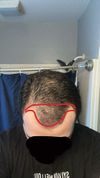
The user underwent a second hair transplant for the crown and mid-scalp, achieving good density. They are using minoxidil, finasteride, and biotin, and considering PRP treatments to enhance growth.
The conversation discusses hair regrowth progress using finasteride, oral minoxidil, dermarolling, scalp massages, and Nizoral shampoo. Users share experiences and suggest additional treatments like dutasteride, pyrilutamide, caffeine shampoo, rosemary oil, and red light therapy.
A user had a failed hair transplant with 2800 FUE grafts at a clinic in Turkey, where finasteride was used, and the procedure was poorly executed by technicians rather than the main surgeon. The user later sought repair from a more experienced doctor, highlighting issues with large clinics that handle multiple patients daily.
The user shared progress on hair restoration using dutasteride, oral minoxidil, and 2800 grafts, noting significant improvement in hair thickness and coverage. They discussed the importance of continuing DHT blockers like finasteride or dutasteride post-transplant to prevent further hair thinning.
A user shared their hair restoration journey after a botched transplant, highlighting successful results with 8000 grafts and 5mg oral minoxidil, while choosing not to use finasteride due to potential side effects. The user reported no side effects from minoxidil, except for extra body hair, and expressed satisfaction with the current results.
Significant hair regrowth was achieved using 1 mg Finasteride, 5% Minoxidil, and dermarolling, with a switch from a 0.5 mm to a 1 mm roller after two months. The user is happy with the results but is still considering a hair transplant for more density.
The conversation humorously discusses hair loss treatments, focusing on finasteride and hair transplants, with references to public figures like Trump and Biden. It speculates on whether Trump has stopped using finasteride, noting his hair thinning and potential side effects.
A user shares their struggle with hair loss despite trying treatments like finasteride, minoxidil, and dutasteride, and expresses frustration over ineffective medical advice and a failed hair transplant. Others in the conversation suggest alternative treatments, acceptance of baldness, and focusing on other life aspects.
A user shared progress pictures showing hair improvement after using oral finasteride and topical minoxidil for two and a half months. They are considering a hair transplant but are advised to wait for full results from the treatments.
The post and conversation are about hair transplant tips and experiences. The user emphasizes thorough planning, essential packing, and post-surgery care, and regrets not using finasteride earlier.
HMI 115 is being discussed as a potential hair loss treatment, with skepticism due to past disappointments like cosmeRNA, brezula, and pyrilutamide. The user is questioning if they should be hopeful for new developments in the next six years.
The post discusses speeding up verteporfin trials for hair loss treatment. The original poster, involved in the trials, requests help in crowdsourcing doctor emails to spread awareness and gather more support for the trials.
A user is upset about hair loss due to seborrheic dermatitis and DUPA, which prevents a hair transplant. They mention using jojoba oil and discuss treatments like Minoxidil, finasteride, and RU58841.
User experienced hair regrowth after eliminating scalp itch with RU58841. Others discussed itch and hair loss connection, and effectiveness of combining RU58841 with 5AR inhibitors.
Hair loss treatments discussed include Minoxidil, Finasteride, microneedling, red light therapy, and biotin pills. The most proven treatments are Minoxidil, Finasteride, and microneedling, while other methods are considered less effective or satirical.
Verteporfin may improve hair transplant outcomes and reduce scarring, potentially allowing patients to avoid finasteride. Dr. Barghouthi seeks collaborations, volunteers, and financial support for research on verteporfin.org.
How diffuse unpatterned alopecia (DUPA) is not an invitation to self-diagnose oneself with aggressive AGA and that seeking a specialized dermatologist may help people experiencing hair loss. Treatment options discussed include topical clobetasol propionate, oral minoxidil, and discontinuing finasteride.
User discusses verteporfin for hair regrowth through "super microneedling" and preventing scarring. They mention a case of an old man regrowing hair after a head injury and suggest verteporfin could recreate this result.
Scalp tension potentially affecting hair loss, and potential treatments for male pattern baldness such as Minoxidil, Finasteride and RU58841. Evidence from a study was discussed which suggests that the cause of MPB lies within the follicle itself and is not dependent on its surrounding environment.
The user experienced significant hair thickening after using topical minoxidil and oral finasteride for about 5 months and is considering switching from finasteride to RU58841. Other users encourage the original poster to continue the current treatment due to the positive results.
The conversation discusses hair loss treatments, focusing on Tsuji's hair cloning and Shiseido's RCH-01, with skepticism about their effectiveness on humans. It compares these to PRP, noting PRP's higher efficacy in studies.
A young person struggling with hair loss switched from finasteride to 0.5mg dutasteride and Oral Minoxidil 2.5mg, hoping for improvement before graduation. They are considering a hair transplant and exploring other treatments like stemoxydine and hair fibers, while dealing with the emotional impact of early balding.
A new hair loss treatment, PP405, showed promising Phase 2a results with 31% of patients experiencing over 20% hair density increase without systemic absorption, avoiding hormonal side effects. The treatment is expected to be expensive, with Phase 3 trials starting mid-2026, and there is skepticism about the data's strength.
A user applied minoxidil for hair loss and worried about its toxicity to cats after their cat drank from a water fountain they touched. After consulting a vet and pet poison control, they were reassured that the exposure was not enough to harm the cat, and others advised using gloves and being cautious in the future.
The conversation humorously discusses hair loss treatments, with mentions of minoxidil and finasteride. Suggestions range from hair transplants to satirical advice like using snake oil or adopting extreme diets.
The user has been using finasteride and minoxidil for hair loss but is experiencing thinning at the crown and is considering a hair transplant. They are seeking advice on other treatments to try before proceeding with a transplant and how to find a reputable doctor.
A hair loss treatment plan includes finasteride, dutasteride, RU58841, pyrilutamide, minoxidil, and microneedling to inhibit DHT and promote hair growth. It also recommends supplements like Reishi and Lion’s Mane mushrooms, and a shampoo with ketoconazole, caffeine, and melatonin.
A user reported hair regrowth and increased thickness after 11 months using finasteride 1mg, taken 3-4 times a week, with noticeable improvement starting around the third or fourth month. No side effects were mentioned, and the user is considering reducing the dosage to find the minimum needed to maintain results.