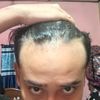
A user's positive experience with finasteride for hair loss treatment over two months, noticing less visible scalp after haircuts. The user also used a derma roller occasionally but did not use minoxidil.
A 27-year-old using minoxidil and dutasteride for hair loss has seen significant improvement but is considering a hair transplant for a more defined hairline. Most responses suggest the hair looks good, advise against a transplant, and recommend patience or trying microneedling or tretinoin.
The user is thrilled with their hair transplant results, which involved 4000 grafts and cost £2700 in London. They are using finasteride, minoxidil spray, and a volumizing shampoo, experiencing no side effects and planning to continue the regimen for ongoing hair maintenance.
OP uses microneedling, Minoxidil, and recently started RU58841 for hair loss. Users suggest adding finasteride, but OP is concerned about side effects.
The user has been using Dutasteride for over a year for hair loss and is considering a hair transplant if it doesn't work. Suggestions include adding Minoxidil and microneedling, but some advise against a transplant as the current treatment seems effective.
The user shared their 7-month progress using a topical solution of finasteride and minoxidil for hair loss, noting some improvement in hair thickness but acknowledging poor photo quality. They plan to switch to a combination of topical dutasteride, finasteride, and minoxidil, hoping for better results.
The user is using topical dutasteride, finasteride, minoxidil, and tretinoin but seeing no results or side effects. They also microneedle every two weeks but experience little bleeding, questioning if a thick scalp is preventing treatment effectiveness.
A 30-year-old male is considering using dutasteride and fluridil for hair loss maintenance and is curious about the effectiveness of topical spironolactone, as he cannot take finasteride. He is also planning a hair transplant.
The conversation is about a person using dutasteride and minoxidil for hair loss, considering adding RU58841 and PP405 for more density. They are seeking advice on using these treatments and exploring other options like GT20029.
User experienced hair growth after 1 year using Dut 0.5mg weekly, Min 2.5mg daily, and derma 1.5mm weekly. Hair became thicker, healthier, and hairline improved after adding derma rolling.
The user had a hair transplant with 4500 grafts and has been using minoxidil twice daily for over a year but stopped finasteride due to severe side effects. The transplant cost $3500 and improved their self-confidence, positively affecting their dating life.
The user is experiencing hair loss at Norwood 2.5 and is using minoxidil, finasteride, and vitamins, noticing minimal regrowth after 8 months. They are considering using a dermaroller but are unsure of its effectiveness.
A user is interested in seeing scalp tattoos as a response to hair loss, specifically looking for creative designs rather than scalp micropigmentation. They are considering this approach for their own Norwood 5 hair loss situation.
Dr. Bloxham's new channel will discuss verteporfin and other future hair loss treatments. Users express interest and hope for the effectiveness of these treatments.
The user reported significant hair regrowth and stopped hair loss after using Pyrilutamide and Minoxidil for four months. They found Pyrilutamide effective in blocking DHT locally without side effects, preferring a gray market version over Koshine's product.
The user has been using 5ar inhibitors for 3 years to combat hair loss, starting with Finasteride and then switching to Dutasteride. They also use topical Minoxidil and microneedling as part of their routine, and have seen improvements in their hairline.
The conversation discusses hair loss treatments, specifically comparing Dr. Pen and Derminator for hair growth. The user is seeking advice on affordable options due to a low income.
User sees possible hair regrowth using minoxidil and 0.5 dermaroller weekly for 2.5 months. Others suggest checking progress in 6 months and considering finasteride, but user experienced side effects from it.
Microneedling combined with latanoprost may convert vellus hairs to transitional or terminal hairs. The user suggests using oral minoxidil to increase vellus hair, then applying a high concentration of latanoprost with microneedling for conversion.
A user's 18-month hairline progress using minoxidil, finasteride, Nizoral, microneedling, and scalp massage. They share their routine and discuss treatment effectiveness and photo order confusion.
The user is using dutasteride and minoxidil for hair loss and noticed new hair growth after initially thinking there was no progress. Encouragement was given to continue the treatment as it takes time to see full results.
The user has been using minoxidil, dutasteride, and mesotherapy for hair loss for 9 months and recently added a derma-roller to their routine. Commenters agree there is visible progress and improvement in hair thickness.
A user shared their 4-month hair regrowth progress using 0.5mg dutasteride and 2.5mg minoxidil, reporting no side effects and significant improvement. The conversation includes discussions on treatment choices, dosages, and personal experiences with hair loss treatments.
A product called HairMDL includes Minoxidil, Dutasteride, Latanoprost, caffeine, Tretinoin, and Triamcinolone. Users are curious about its effectiveness and safety, particularly regarding the topical steroid Triamcinolone.
The post discusses a successful hair loss treatment involving a hair transplant, finasteride, and minoxidil. The user underwent a 2000 graft hair transplant at the hairline in a clinic in Sweden.
The user shares their experience with hair loss treatments, including oral finasteride, oral minoxidil, and a topical lotion for dandruff, expressing dissatisfaction with past treatments like PRP and hair transplants. They seek advice on a DNA test to determine suitable medications and express frustration with dermatologists' advice.
A user underwent a second hair transplant for increased density and to address hair loss in the crown area, with 3,800 grafts at a cost of 2,200 euros at Estepalace, including additional services. Some commenters discussed the appearance of the hairline and the importance of using DHT blockers like finasteride or dutasteride post-transplant.
The conversation discusses experiences with topical dutasteride for hair loss, comparing formulations from FUEClinic, MinoxidilMax, and Strut. Users share their results and side effects, with some preferring topical over oral treatments to minimize systemic absorption.