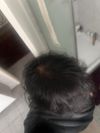
The user is experiencing hair thinning at the crown and midscalp and is seeking advice. They are considering treatments like Minoxidil, finasteride, and RU58841.
A 19-year-old is using keto shampoo, topical Minoxidil 5% for 3 months, and topical finasteride 0.1% for 1.5 months to address hairloss. They are noticing baby hairs and shedding, questioning if the hairs will thicken and if more time is needed for finasteride to work.
The conversation discusses alternatives to finasteride for hairloss, including topical treatments like minoxidil, RU58841, CB-03-01, and dutasteride. Users also mention other options like alfatradiol, topical caffeine, and mesotherapy, while expressing concerns about side effects and the effectiveness of these treatments.
A woman experiencing hormonal hairloss is on dutasteride and bicalutamide, which initially improved her hair, but she is now experiencing a second shedding phase with significant short hairloss. Despite normal hormone levels and no deficiencies, she is unsure if this shedding is normal and seeks advice.
The user experienced aggressive hairloss despite using oral finasteride and minoxidil, with additional issues like dandruff and eyebrow hairloss. They are considering switching to oral minoxidil and dutasteride due to scalp inflammation and lack of improvement.
After years of using dutasteride and oral minoxidil without success, the individual decided to shave their head and stop treatment. They considered scalp micropigmentation and hair systems but ultimately accepted their hairloss.
The user experienced significant hair improvement with minoxidil and finasteride but later faced shedding and diffused thinning after developing seborrheic dermatitis. They are seeking advice after trying treatments like ketoconazole, coal tar shampoos, fluconazole, and hydrocortisone cream.
User shared 12-month hair growth progress using finasteride and dutasteride, with nizoral 3x per week. They experienced a finasteride shed but saw improvement after a year and offered advice for managing hairloss expectations.
The user experienced initial hair improvement with finasteride but noticed worsening hairloss after switching to dutasteride. They are considering returning to finasteride due to persistent hair shedding and scalp itch.
A dental technician claims malocclusion causes pattern hairloss due to poor scalp circulation. Users debate this, noting treatments like finasteride, minoxidil, and microneedling focus on DHT and blood flow.
Corticosterone inhibits GAS6, affecting hair follicle stem-cell activity, with potential implications for stress-related hairloss. Ashwagandha and Vitamin K are suggested for reducing cortisol, but their effectiveness is debated.
A 57-year-old man with severe hairloss since age 14 tried various hairloss treatments over two years, including finasteride, dutasteride, minoxidil, and supplements, with some minor regrowth. He also experimented with topical treatments and microneedling, but results were not cosmetically significant.
The user is experiencing increased hairloss and was diagnosed with male pattern baldness. They are considering using oral or topical finasteride to manage the condition and are contemplating cutting their hair short.
Minoxidil and Nizoral alone are unlikely to stop hairloss effectively, as they do not address the root cause, which is often DHT. Many users suggest incorporating a 5AR inhibitor like finasteride or dutasteride for better results, despite concerns about potential side effects.
An 18-year-old diagnosed with male pattern baldness is using probiotics, saw palmetto, pumpkin seed oil, soy isoflavones, biotin, fish oil, quercetin, a multivitamin, and ketoconazole shampoo. Replies suggest these methods are ineffective and recommend finasteride, minoxidil, and a derma roller.
The user is experiencing significant hairloss despite using treatments like finasteride, minoxidil, dutasteride, micro-needling, rosemary oil, and various vitamins. In the conversation, others suggest checking iron and hemoglobin levels, maintaining a positive attitude, and adding RU58841 to the treatment regimen.
Animajax, who started off completely bald, has seen hair regrowth using finasteride 1.25mg, oral minoxidil 2.5mg, occasional topical minoxidil, dermastamping, benzoyl peroxide, and tretinoin. They recently added nizoral and plan to switch to a topical solution combining minoxidil and dutasteride.
Dutasteride has effectively stopped hairloss for some users, while others continue to experience shedding despite using dutasteride, finasteride, and minoxidil. Some users report side effects like erectile dysfunction when switching from finasteride to dutasteride.
Topical dutasteride is more effective than oral finasteride for male pattern hairloss, with fewer side effects. Some prefer oral treatments for convenience, while others use topical solutions like minoxidil and dutasteride, sometimes with microneedling, for better results.
The user experienced significant hair regrowth over three months using 1.25mg oral finasteride, 5mg oral minoxidil, and weekly dermarolling. Initial side effects included mood swings, but these stabilized over time.
A 23-year-old male is experiencing rapid hair thinning and receding hairline, feeling emotionally drained. He has tried GFC, PRP, ketoconazole shampoo, and supplements without improvement and is considering minoxidil, finasteride, and possibly a hair transplant.
A user shared their successful hair regrowth experience using 1.25mg finasteride daily, alternating oral and topical minoxidil, and weekly dermarolling. They reported significant improvement in their hairline and crown coverage over a year, with minimal side effects.
The conversation is about hairloss anxiety and treatments like Minoxidil and finasteride. Users discuss self-acceptance, relationship support, and alternatives like shaving or learning to cut hair at home.
Hair regrowth progress using finasteride, minoxidil, and dermarolling. Visible improvements started around month 6, with initial shedding from minoxidil.
User noticed tiny dots on their head after using 0.5% dutasteride and 8% minoxidil, which others identified as developing hair follicles. Encouragement was given to continue the treatment.
Accutane use led to hairloss and seborrheic dermatitis for many, with treatments like dutasteride, minoxidil, and Nutrafol being used to manage symptoms. Some users reported improvement, while others experienced persistent issues or side effects from treatments like finasteride.
The user has been using Finasteride for over four months to treat androgenetic alopecia but continues to experience hairloss and thinning. They recently started using Minoxidil and are considering switching to Dutasteride due to concerns about Finasteride's effectiveness.
The user has tried finasteride, minoxidil, dutasteride, microneedling, retinol, topical finasteride, and ketoconazole for hairloss but continues to experience hair recession. They are considering adding oral minoxidil or RU58841 and are unsure about the next steps.
A 30-year-old with diffuse thinning and a balding crown is using a treatment regimen of a 2-in-1 pill containing finasteride, minoxidil, and biotin, along with various supplements. After two weeks, no side effects have been experienced, and updates with pictures will be posted monthly.
Hairloss can significantly impact confidence and mental health, but there are various treatments like finasteride, minoxidil, dutasteride, hair systems, and lifestyle changes that may help. It's important to maintain hope and focus on what can be controlled, as different solutions work for different people.