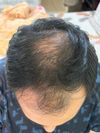
The conversation discusses hair loss treatments, specifically Minoxidil, finasteride, and RU58841. Users are asked to share their experiences with Pyri/Koshine.
A user discusses making DIY dutasteride capsules from powder bought from China, using a mix of MCT oil and propylene glycol. Others warn about the risks of incorrect dosing, potential degradation, and the possibility of receiving fake products.
The user experienced hair loss issues after switching from finasteride to dutasteride and back, with stress and seborrheic dermatitis affecting hair quality. They plan to continue finasteride, treat seborrheic dermatitis, and monitor nutrient levels, considering low-dose oral minoxidil if safe.
The user increased their dutasteride dose from 0.5mg to 3mg daily to address hair thinning, noticing a change in shedding patterns and possibly thicker hair. Other users discuss the effectiveness of different dutasteride doses on DHT levels and suggest staying consistent with the treatment.
Dutasteride and finasteride are used for hair loss, affecting hormone levels like DHT and testosterone. Hormone balance is crucial, as changes can lead to side effects such as increased estradiol and potential hair loss.
The conversation discusses seeking a stronger treatment than Dutasteride (DUT) for hair loss. Suggestions include combining DUT with RU58841, increasing DUT dosage, and using transgender hormone replacement therapy or testosterone blockers, though some options may have feminizing side effects.
A 28-year-old male is experiencing temple regrowth but crown thinning while using 5mg minoxidil and 0.5mg dutasteride. The shedding phase is seen as a positive sign of treatment effectiveness, with expectations of noticeable improvements around 6 to 12 months.
The user has been using finasteride and dutasteride mesotherapy for 2 months with no noticeable change in hair loss or shedding. They experienced side effects from oral minoxidil and suspect seborrheic dermatitis.
The user switched from finasteride to dutasteride eight months ago due to worsening hair loss but continues to experience hair thinning and seeks advice on additional treatments. They are asking for suggestions on medications, topical therapies, lifestyle changes, or professional treatments.
A user reports significant hair density increase and new growth at the temples after two months of using finasteride, minoxidil, ketoconazole, dermarolling, MK-677, zinc, and vitamin D3, with shedding stopping a week ago. They recently added MK-677 to their regimen.
The user is experiencing worsening hair loss despite using 0.5mg dutasteride, 2.5mg minoxidil, and Nizoral. They are seeking advice and reassurance from others who have faced similar issues.
PTD-DBM is a Korean-developed treatment for hair loss, with limited information available and some users testing it personally. A user purchased PTD-DBM for $115 and plans to test it on their temples, but its effectiveness and authenticity remain uncertain.
How diffuse unpatterned alopecia (DUPA) is not an invitation to self-diagnose oneself with aggressive AGA and that seeking a specialized dermatologist may help people experiencing hair loss. Treatment options discussed include topical clobetasol propionate, oral minoxidil, and discontinuing finasteride.
Female with PCOS experiences receding and thinning hair, wants dutasteride instead of spironolactone. Discusses desire to reduce DHT without losing libido.
OP switched from finasteride to dutasteride due to hair loss, but after 5 months, they are experiencing diffuse thinning and scalp issues. They are considering additional treatments like RU58841 and are using minoxidil, essential oils, and keto shampoo to manage symptoms.
A user is concerned about taking evening primrose oil alongside finasteride and minoxidil due to its potential effects on hormonal balance and DHT inhibition. They seek advice on whether to continue the supplement or if their worries are unfounded.
The user switched from finasteride to dutasteride due to side effects and is experiencing fewer side effects with dutasteride, though some scalp itching has occurred. Blood tests show elevated testosterone and estrogen, low DHT, and normal liver and cholesterol levels, leading the user to feel confident in the long-term benefits of dutasteride for hair regrowth.
Elevated bile acids can inhibit the enzyme AKR1C2, leading to increased DHT levels, which may accelerate hair loss in those predisposed to androgenetic alopecia. Treatments mentioned include topical minoxidil and finasteride.
Hair loss is linked to a higher rate of body dysmorphic disorder (BDD), OCD, and depression. Finasteride and dutasteride are not linked to increased suicidal risk, though some users report mental health side effects.
Finasteride and Dutasteride do not cause depression or "Post Finasteride Syndrome," with concerns often linked to the nocebo effect and preexisting mental health issues. The EU is unlikely to ban these drugs, but access may become more restricted due to ongoing debates.
Dutasteride effectively reduces DHT levels and significantly increases testosterone levels. Users are cautious about adding oral minoxidil due to potential heart issues and are considering dosage adjustments with medical guidance.
Finasteride and dutasteride can affect sexual function, cognition, and mood. Alternatives like minoxidil, pyrilutamide, and alfatradiol have varied effectiveness and side effects.
The conversation discusses hair loss treatments, including scalp massage, and the importance of blocking DHT for hair loss management. The user shares blood test results, which appear normal, and seeks advice on effective tests and treatments, expressing a preference for natural methods over medication.
The conversation discusses the safety and cost of 2.5mg Dutasteride, and the potential for increased DHT reduction by combining Dutasteride with topical Finasteride. The original poster is currently using 0.5mg Dutasteride, 1.25mg oral Minoxidil, and a topical treatment, and is considering increasing the dosage to maximize results while avoiding less known treatments like RU58841.
User shared 6-month hair loss treatment update with Dut 3x/week, oral min, and dut+prp mesotherapy. Experienced positive results, no side effects, and recommends the regimen.
Switching from finasteride to dutasteride can initially increase hair shedding, but some users eventually see improvement. Experiences differ, with some finding dutasteride more effective, while others face worsening hair loss or side effects.
Some people have side effects from finasteride and dutasteride due to hormonal predisposition, especially if DHT dominant. Alternatives like RU58841, Pyrilutamide, and Breezula are suggested to target scalp androgen receptors without altering overall hormones.
The user is documenting their experience with oral dutasteride (dut) 0.5 mg and minoxidil (min) 5 mg for hair loss, planning to add RU58841 after three months. They previously used finasteride with success and are now experiencing increased shedding but also new hair growth.
The user is exploring alternatives to finasteride and dutasteride due to concerns about side effects, and is using rosemary and jojoba oil, ketoconazole, minoxidil, microneedling, multi-peptide serum, saw palmetto, and stinging nettle for hair loss. They are also considering CB 03 01 and spironolactone.
A man in his late twenties switched from finasteride to dutasteride for hair loss and is sharing his 3-month progress, noting increased shedding but no side effects. Some responders think the treatment is working.