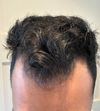
A drug that regrows body parts, but not hair, sparking debate on hair loss treatments. Discussions include the use of finasteride, dutasteride, and the potential for new methods to restore hair.
Hair loss can be caused by various factors such as stress, thyroid issues, and genetics. Treatments mentioned include dutasteride, DHT blockers, and thyroid medication, though results vary.
A 24-year-old male has been using 5% minoxidil for five years and recently added 0.025% topical finasteride to his routine. He noticed some improvement in his crown area but is considering stronger treatments like oral finasteride or dutasteride for better results, especially on the temples.
Finasteride and Minoxidil are popular treatments for hair loss, but opinions vary on their effectiveness and side effects. Some users report success, while others experience issues like gynecomastia or sexual dysfunction.
A 30-year-old is experiencing positive hair growth results using finasteride daily, minoxidil twice daily, and dermastamping/dermarolling biweekly from July 2025 to January 2026. Friends and family have noticed significant improvement.
A user is treating hair loss with 0.5mg Dutasteride three times a week, 5mg oral Minoxidil daily, and topical finasteride and minoxidil, seeing some improvement but insufficient density. They are considering increasing Dutasteride dosage and addressing high estradiol levels, while also trying to quit vaping.
A 20-year-old started using finasteride, topical minoxidil, and high-dose Vitamin D3 a month ago and is already seeing new hair growth. Others suggest adding dermastamping for better results.
A user shared their 6-month progress using finasteride for hair loss, reporting significant improvement without side effects. They previously used saw palmetto and currently take omega-3, curcumin, and vitamin D supplements.
The conversation humorously discusses using "pure willpower" as a method to combat hair loss, alongside treatments like dutasteride, finasteride, and RU58841. The original poster claims that this unconventional approach, involving shouting affirmations and avoiding distractions, has led to noticeable hair regrowth.
The user experienced positive hair growth results after a year of using finasteride, initially taking 1mg daily but switching to a Monday, Wednesday, Friday schedule due to side effects like erectile dysfunction and watery semen. The side effects improved after switching to the reduced schedule, with normal erections returning within a month.
The user has been using topical minoxidil with tretinoin for 9 months without much regrowth and suspects finasteride is responsible for any improvement. They are inquiring about tests to determine response to topical minoxidil and seeking advice on switching to oral minoxidil, including potential side effects and monitoring requirements.
The user is considering stopping finasteride after 1.8 years due to concerns about side effects and is exploring alternatives like minoxidil and topical finasteride. They are also considering microneedling and are advised to wait for new treatments like breezula/clascoterone.
The user experienced severe sexual side effects from topical finasteride with minoxidil but found no side effects with low-dose dutasteride and finasteride serums from Ulo after a hair transplant. They also used a hair growth serum with saw palmetto without side effects.
The user experienced increased hair density after starting 1mg finasteride in February and 2.5mg oral minoxidil two months ago, along with 10mg biotin daily. They initially used topical minoxidil but switched to oral due to application difficulties and have seen improvements without significant side effects.
The user reports noticeable hair regrowth along the hairline and scalp after using finasteride 1.25mg daily, minoxidil 5% twice daily, and biweekly dermarolling and dermastamping since July 2025. They mention experiencing occasional low energy, possibly due to finasteride or shorter winter days.
Choose a knowledgeable dermatologist to avoid ineffective treatments for hair loss. Finasteride, dutasteride, and oral minoxidil are more effective than topical versions and supplements like zinc and biotin are not helpful for balding.
The user is considering shaving their head completely after buzzing it due to a receding hairline and is unsure if the bald look will suit them. Another user suggests they look good with the buzz cut and recommends exploring the "Bald" subreddit for more support.
Nizoral, a ketoconazole shampoo, can cause scalp dryness and hair shedding if overused. Users discuss alternatives like Selsun Blue, finasteride, and dutasteride for managing hair loss and seborrheic dermatitis.
The user experienced significant hair regrowth and reduced shedding after two years of using finasteride, minoxidil, and a laser helmet, along with maintaining scalp health with specific shampoos. Consistency and patience were key to their success, despite initial heavy shedding.
A 27-year-old male shared his hair regrowth progress after 100 days using 5% Minoxidil twice daily, 1.25mg Finasteride daily, and weekly microneedling. He noticed improvements and hopes to avoid a future hair transplant.
The user is considering stopping topical minoxidil due to inconvenience and side effects while continuing finasteride for hair loss. They seek advice on the experience of stopping minoxidil and potential alternatives.
PP405 is discussed as a potential hair loss treatment, with doubts about its effectiveness and availability. Users mention using finasteride and minoxidil, and express concerns about PP405's cost and market release.
A user shared their 88-day progress using 1.25mg finasteride, topical minoxidil, and weekly 1mm microneedling, noting improvement from NW 4.5 to around NW 3. Another user complimented the progress.
New hair loss treatments include Breezula, PP405, ET-02, KX-826, GT20029, VDPHL01, and CosmeRNA, with some showing promise in reactivating stem cells and reversing greying. Breezula and VDPHL01 are highlighted as potential add-ons or alternatives to current treatments like finasteride and minoxidil.
The user experienced balance issues after taking finasteride for 2 months and is seeking advice on whether to continue. They are concerned about potential additional side effects.
Dutasteride can slow hair loss and potentially stabilize it, but results vary by individual. Minoxidil and dutasteride may lose effectiveness over time, and hair loss might continue despite treatment.
The conversation is about using a dermastamp for hair loss treatment and concerns about a potentially scam product, pp405. It suggests sticking with known treatments like finasteride and minoxidil.
A 24-year-old male experienced increased hair shedding after switching to a new topical finasteride and minoxidil solution with a better carrier. He is concerned whether this shedding indicates progress or a setback in his hair loss treatment.
A user is experiencing increased hair shedding after using a homemade topical finasteride mixture with stemoxydine for six weeks. They are concerned about whether the low dose could cause shedding so early.