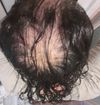
RU58841 is used without finasteride by some due to side effects, with mixed results. Users report combining RU58841 with minoxidil and adjusting finasteride doses to manage hair loss.
The user experienced significant hair regrowth using 1.25 mg finasteride daily and inconsistent oral minoxidil, with no side effects reported. Finasteride primarily increased hair density, while minoxidil contributed to thicker, healthier hair.
A 22-year-old has been using topical finasteride and minoxidil with microneedling for hair loss, considering switching to oral finasteride or dutasteride due to slowed progress. Recent changes in application technique and increased microneedling frequency seem to have led to noticeable hair regrowth, prompting reconsideration of switching treatments.
A user experienced side effects from hair loss treatment and contacted HIMS, resulting in their subscription being canceled. They were taking Zinc to manage symptoms and are considering consulting a doctor.
The conversation discusses hair regrowth using Nizoral weekly and 1000mg of pumpkin seed oil daily. Users also mention using finasteride, rosemary oil, and nutritional yeast for hair loss treatment.
The user has been using a topical spray containing minoxidil, finasteride, biotin, and ketoconazole for 5 months and noticed initial improvement but now feels progress has reversed. Another user reassures them that shedding is common and temporary, suggesting hair will likely improve in the coming months.
The user experienced hair loss diagnosed as chronic Telogen Effluvium and male pattern baldness, treated with finasteride and minoxidil, later switching to dutasteride due to side effects but with limited success. The user plans to return to finasteride due to side effects from dutasteride, while others suggest maintaining consistent treatment and considering additional options like oral minoxidil and lifestyle changes.
The user has been using finasteride for four years and topical minoxidil with microneedling for a year but has not seen significant results in slowing hair loss. They are considering trying dutasteride despite concerns about its intensity, and others suggest trying oral minoxidil or combining treatments for better results.
Stopping minoxidil can lead to significant hair loss, but resuming it may help regain hair. Users emphasize the importance of continuing minoxidil and finasteride to maintain hair health.
The conversation discusses the emotional struggle of hair shedding while using finasteride and minoxidil, with users sharing encouragement and tips like using hair fibers, cutting hair shorter, and trusting the process for eventual regrowth. Many users emphasize that shedding is temporary and a sign that the treatment is working, suggesting patience and temporary solutions like hats and hair fibers.
A user is experiencing scalp flaking from a finasteride/minoxidil topical solution and considers using salicylic acid shampoo to remove propylene glycol residue. Another user suggests trying a leave-in conditioner to address dryness and flaking.
A user shared their hair loss journey, starting with minoxidil and finasteride, and later switching to dutasteride, but still experiencing hair loss. Other users discussed their experiences with dutasteride, noting side effects like shedding and reduced libido, but some reported maintaining their hair over time.
Foam minoxidil may be a good alternative for those who experience irritation from liquid minoxidil, though opinions on its effectiveness vary. Some users suggest oral minoxidil as a more effective option with fewer side effects at low doses, while others recommend foam or alcohol-free topical versions for sensitive scalps.
Minoxidil is on sale at Costco, but it poses a significant risk to pets, especially cats. Users discuss the pros and cons of foam versus liquid minoxidil, with some preferring liquid for better results despite its greasiness and dandruff issues.
A user shared their experience with hair transplant scab removal, noting that most scabs came off easily without bleeding by using oil and shampoo. They sought advice on whether any hair was lost during the process, and others reassured them that no hair was lost and to trust the healing process.
The user is experiencing increased hair shedding and is concerned about regression despite consistent use of finasteride, minoxidil, and other treatments. The consensus is that this is likely a temporary shedding phase, and adjustments to the dermarolling frequency are suggested.
The user shared their hair recovery progress using oral finasteride, minoxidil, and occasional dermarolling and ketoconazole shampoo, noting significant improvement since starting in September 2023. They experienced no side effects from finasteride and found topical finasteride ineffective, leading to its discontinuation.
RU-58642 is a powerful anti-androgen that was not developed further, possibly due to safety concerns or financial reasons. RU58841 is a topical alternative, but it is less effective than finasteride and dutasteride, and its long-term effects are not well-studied.
A 28-year-old male stopped hair loss and thickened his hair using oral dutasteride and oral minoxidil after topical treatments failed. He experienced no side effects and recommends these oral treatments for others struggling with hair loss.
The user experienced increased hair shedding after switching from finasteride to dutasteride, despite lifestyle improvements and additional treatments like oral minoxidil and PRP. They are concerned about persistent shedding, changes in hormone levels, and potential chronic telogen effluvium, and are considering a scalp biopsy for further investigation.
The user started using topical finasteride 0.025% and minoxidil 5% for hair loss but is experiencing increased shedding after two months without signs of regrowth. They are seeking advice on when to expect results or consider switching treatments.
The conversation discusses the belief that zinc, caffeine, and weightlifting may contribute to hair loss by increasing DHT levels. The original poster plans to reduce zinc and caffeine intake and stop weightlifting to see if it improves their hair condition.
Combining 0.5 mg oral finasteride with topical finasteride and minoxidil during an Enclomiphene cycle may help manage increased DHT levels. Monitoring for side effects is advised.
The user experienced hair regrowth using dutasteride daily, microneedling weekly, and Nizoral shampoo, after stopping minoxidil due to side effects. They also use a mix of pumpkin seed, rosemary, and peppermint oil, and are considering RU58841 for more temple area thickness.
The user experienced significant hair regrowth using oral minoxidil for 2 years and finasteride for 1.5 years, with no side effects reported. They are considering derma rolling and possibly a hair transplant in the future.
The user switched from topical to oral finasteride and minoxidil for hair loss and experienced swelling and sensitivity in the left chest area. They are concerned about these symptoms but noticed improvement after skipping a dose.
The conversation humorously discusses hair regrowth treatments, specifically minoxidil and finasteride, with a user claiming significant hair loss reduction using oral minoxidil. It highlights varying responses to treatments and the frustration of hair loss.
A user shared their 4-year experience with oral finasteride and 2-year experience with oral minoxidil for hair regrowth, noting minor side effects like weaker erections and increased hair growth elsewhere. They reported significant regrowth primarily from finasteride and maintained a consistent dosage of 1mg finasteride and 2.5mg minoxidil daily.
Topical finasteride may not work for some due to incorrect application, insufficient dosage, or individual differences in skin and hair thickness. Oral finasteride and minoxidil are often more effective, with consistent application and patience being key for results.