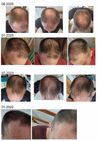
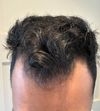
A 39-year-old from Bangalore shared his successful hair transplant journey, which included 3537 scalp and 1521 beard grafts, boosting his confidence. He also started medication alongside the transplant.
The user shared progress pictures showing significant hair regrowth using Minoxidil and a dermapen, expressing concerns about potential side effects of finasteride due to low testosterone levels. Another user reported increased testosterone and no side effects from finasteride, with improved libido.
Dermatologists have differing opinions on hair loss treatments, with some using topical dutasteride, oral minoxidil, exosome therapy, PRP, and various other therapies. The user plans to use a topical solution of dutasteride, minoxidil, tretinoin, PRP, and LLLT.
Whey protein is unlikely to cause hair loss, and some users suggest it might be beneficial if dietary protein is insufficient. Hair loss is generally considered genetic, and there is skepticism about the dermatologist's advice to switch from whey protein to whole foods.
Dutasteride may affect semen parameters but not significantly enough to impact fertility unless baseline fertility is already low. Finasteride and minoxidil are used for hair regrowth, with no side effects reported by one user.
Tony Soprano humorously imagined using Minoxidil and Finasteride for hair loss. Users joke about the character's potential treatments and his son's acting career.
A 26-year-old is starting a hair loss treatment using 1mg oral finasteride daily, 5% topical minoxidil foam twice daily, 2% ketoconazole shampoo weekly, and microneedling once a week. They noticed worsening hair loss over the past year and are seeking advice.
A 35-year-old shared a 2-month update on their hair transplant of 3153 grafts, noting redness, itching, and some pimples, while using finasteride for over 12 years to maintain hair. Users discussed the effectiveness and timing of starting finasteride, with some suggesting consulting a doctor for young individuals considering the treatment.
The conversation is about using dutasteride 0.5mg, minoxidil 5%, and RU58841 for hair loss treatment. Users discuss dosage, potential side effects, and experiences with these treatments.
GHK-Cu serums for hair growth have mixed results, with some users not seeing significant benefits. Users have tried various brands like Tricomin and Actifolic without success.
The user experienced significant hair regrowth after 7 months using 1mg finasteride and 2.5mg oral minoxidil, with initial lightheadedness as the only side effect. The user feels more confident and believes the minoxidil contributed most to the regrowth.
A user shared their positive experience with a hair transplant in Turkey using the DHI and Sapphire FUE techniques, without taking finasteride or minoxidil post-surgery. They emphasized that transplanted hairs from the donor area are resistant to hair loss, but acknowledged that native hairs might still thin without medication.
RU58841 5% is theoretically equivalent to 2mg of dutasteride for hair loss treatment, with RU58841 offering higher potential but more variability due to absorption issues. Users discuss the effectiveness of RU58841 and dutasteride, with some preferring dutasteride for consistent results and others finding success with RU58841.
A 55-year-old man shared his successful hair transplant results, using 9,100 grafts from his scalp and beard, and is also using minoxidil, finasteride, and multivitamins. The discussion includes opinions on the necessity of DHT blockers and the effectiveness of the transplant, with some users questioning the need for such procedures at an older age.
A 35-year-old had a hair transplant with 3,153 grafts at HLC Ankara, experiencing some pain and numbness but pleased with the density and results. The procedure cost $10,000, and the user has been using finasteride for over 13 years.
The user has been using minoxidil foam and a dermaroller for three months to combat hair loss, with noticeable progress. They are seeking finasteride but face difficulties obtaining it in Germany.
The FDA will now require only one clinical trial for drug approval, potentially speeding up the release of hair loss treatments like PP405. Pelage is expected to present full results of PP405 Phase 2a trials and move to Phase III in mid-2026.
A user experienced worsened hair condition after a PRP session and is considering stopping further sessions. They are using a Dermapen, electric massage, iron, saw palmetto, and plan to start minoxidil, but have had side effects with finasteride and are advised to consider dutasteride under medical supervision.
Significant hair regrowth was achieved after 4.5 months using 0.5 mg Dutasteride and 5 mg oral Minoxidil. Tips on obtaining prescriptions and discussions on effectiveness and side effects were also shared.
A 27-year-old experienced significant hair regrowth after a hair transplant with 4349 grafts, supported by minoxidil and finasteride, improving his confidence. He plans to update on further progress at 9–12 months.
Dutasteride and oral minoxidil are not yielding noticeable results for some users, with some considering alternatives like microneedling or hair transplants. Others report slowed hair loss but no regrowth, and some experience side effects or minimal improvement, leading to frustration and consideration of different treatments.
A new hair loss protocol using FDA-approved topical treatments targets eight pathways, potentially improving results by 60-75% compared to the standard 40-50% from oral minoxidil and finasteride. The protocol includes minoxidil, finasteride, tacrolimus, cetirizine, bimatoprost, lithium gluconate, losartan, melatonin, NAC, caffeine, and tretinoin, with a monthly cost of $35-50 in Mexico and $80-150 in the US.
A user shared their positive experience with a hair transplant at Moart Clinic, involving approximately 10,000 grafts for a new hairline and crown. The procedure was smooth, with no pain, and the user is very satisfied with the results.
The user shared their 5-year progress using finasteride and topical minoxidil for hair growth, noting initial success but recent thinning and side effects. They plan to switch to dutasteride and oral minoxidil, addressing low iron levels and monitoring potential side effects.
The conversation discusses the price variation of finasteride in India, with examples from different brands. The user seeks advice on choosing a cost-effective yet effective option.
The user shared a 6-month progress update on hair loss treatment using Dutasteride (0.5mg), Minoxidil (5%), and Dermanator 2. They reported improved hair density and coverage, especially in the crown/mid-scalp, and are focusing on enhancing the hairline.
A 36-year-old man restarted hair loss treatment after a break, using topical Minoxidil 5% twice daily, topical Finasteride 0.01% daily, and Ketoconazole 2% three times a week, along with supplements like Vitamin B12, D3, C, Biotin, Omega-3, zinc, and copper. He avoids oral Finasteride due to side effects and plans to evaluate progress after a year.
A user underwent a hair transplant at Moart Clinic in Seoul, receiving 1100 grafts in the crown area after Dutasteride and oral Minoxidil failed to improve a stubborn bald spot. The procedure was successful, with minimal pain and good post-op recovery, costing $6900 USD before a tax refund.
A user shared their positive experience 5 months after a hair transplant, emphasizing the importance of thorough research and using finasteride and minoxidil to control hair loss. They had 3700 grafts transplanted to the front/mid-scalp and used medications to fill in the crown.
An 18-year-old male has been taking oral finasteride 0.25 mg daily for almost four months to address hairline recession, experiencing mild sexual side effects like softer erections and lower libido. He also uses Tugain 5%, ketoconazole, and vitamins, noticing slowed shedding but no major regrowth, and seeks advice on managing side effects and hair loss.