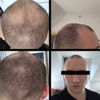
A 27-year-old male experiencing hair loss at Norwood 3 level has tried minoxidil and finasteride but stopped finasteride due to sideeffects. He is exploring alternatives like Dermapen, Regenepure DR Shampoo, saw palmetto, and considering aromatase inhibitors for managing sideeffects, while also seeking advice on DHT blockers.
A user shared their 3-month experience using finasteride, reporting no sideeffects and noticeable hair improvement. Their regimen included finasteride, keto nizoral, biotin, multivitamins, omega-3, flaxseed, and a high-protein diet.
Clascoterone (Breezula) shows a potential 500% increase in hair growth, possibly outperforming minoxidil and finasteride. It is in advanced trials, with hopes for FDA approval, but cost and sideeffects are concerns.
A user shared their 5-month experience using topical finasteride for hair loss, noting sideeffects like watery semen and puffy nipples, which led them to stop the treatment. They saw no significant hair improvement and have since switched to using minoxidil.
The user experienced anxiety and heart pounding from oral minoxidil, despite its effectiveness, and switched back to topical minoxidil. After managing anxiety, they found oral minoxidil more effective, but sideeffects differ for each person.
An 18-year-old is considering testosterone replacement therapy with finasteride or dutasteride for hair loss but worries about sideeffects. Users recommend alternatives like minoxidil, RU58841, and consulting a doctor.
Breezula shows promise in stabilizing hair loss and potentially promoting regrowth at the one-year mark, offering hope for those who can't tolerate 5AR inhibitors. Its local targeting of androgen receptors could be a significant advancement if it avoids systemic sideeffects.
A participant using Veradermics VDPHL01, an extended-release oral minoxidil, experienced significant hair regrowth from Norwood 6 to Norwood 3V without sideeffects. They plan to use dutasteride after the treatment to maintain results.
A 20-year-old has been using 1.25mg finasteride daily and 5% minoxidil twice a day for seven months with no sideeffects, noticing thicker hair but no reversal of hairline recession. Users discuss the effectiveness of finasteride and minoxidil, with some mentioning additional treatments like derma rolling and lifestyle changes.
The user is concerned about hair loss and is considering treatments like finasteride and minoxidil but is unsure about their effectiveness and sideeffects. They have experienced mixed reactions to shaving their head and are struggling with confidence due to balding.
People are using lower doses of finasteride than the recommended 1mg daily due to concerns about sideeffects, cost, and new data suggesting lower doses can be nearly as effective. Some users report stability or slight improvements with lower doses, but the effectiveness compared to 1mg daily is debated.
Using dutasteride 0.5mg three times a week may be more effective than daily finasteride for hair regrowth, but experiences vary, with some users reporting sideeffects like anxiety and mood swings. Others suggest combining finasteride with dutasteride initially, while some find topical minoxidil more tolerable.
Minoxidil and finasteride are discussed for hair loss, with concerns about minoxidil's heart-related sideeffects. New treatments like PP405 are met with skepticism, often humorously noted as always being "five years away."
PP405 shows promising results for hair growth, potentially outperforming finasteride without sideeffects like erectile dysfunction. Users discuss using treatments like minoxidil, pyrilutamide, nizoral, and alfatradiol while waiting for PP405's availability.
A user is seeking hair loss treatments without using systemic DHT blockers like finasteride due to sideeffects. Suggestions include clascoterone (not FDA approved), pyrilutamide, RU58841, and low-dose topical finasteride, with a recommendation to consult a doctor.
The conversation discusses the use of dutasteride and minoxidil for hair loss treatment, with concerns about potential sideeffects and the effectiveness of dutasteride compared to finasteride. The user is advised to monitor for sideeffects and consult with a doctor, while also considering the differences between the medications.
The user experienced positive hair regrowth after 4-5 months using oral minoxidil (10mg) and finasteride (1mg) without sideeffects. Concerns were raised about the high dosage of minoxidil and potential long-term health risks.
The conversation discusses using topical dutasteride as an alternative to oral finasteride to prevent hair shedding caused by creatine supplementation. Users share experiences with finasteride, dutasteride, and creatine, noting potential sideeffects and effectiveness concerns with topical treatments.
The user experienced significant hair regrowth using a combination of oral minoxidil and dutasteride over five months. They reported no sideeffects and noticed new hair growth, particularly around the hairline.
Hair loss treatments like finasteride and dutasteride are discussed, with concerns about sideeffects such as depression and brain fog. Some users argue about the necessity and impact of DHT on libido and other bodily functions.
Using estrogen for hair regrowth is considered ineffective and risky, with potential sideeffects like breast growth and hormonal changes. Alternatives like finasteride, dutasteride, and minoxidil are suggested, but estrogen is not recommended unless transitioning.
The user is concerned about hair loss and is hesitant to use treatments like finasteride and minoxidil due to potential sideeffects. Another user suggests gradually introducing finasteride to minimize sideeffects and maximize results.
PP405 is a potential hair loss treatment that may activate dormant hair follicles, but there are concerns about its effectiveness, cost, and sideeffects. Users discuss treatments like minoxidil, finasteride, and RU58841, expressing skepticism about PP405's long-term success and accessibility.
A user shared their positive experience using finasteride and minoxidil at 36, after having unpleasant sideeffects at 18. They report no current sideeffects and are seeing good progress with their hair, including using microneedling weekly.
PP405 is discussed as a potential alternative to finasteride, but its effectiveness and market availability are uncertain. Users share experiences with finasteride, minoxidil, and topical treatments, noting sideeffects and application techniques.
PP405 is a promising new hair loss treatment that may reactivate dormant hair follicles without sideeffects. It could surpass traditional treatments like minoxidil and finasteride if successful in further trials.
A dermatologist advised stopping oral Minoxidil for a 19-year-old and suggested a topical mix with Minoxidil, Finasteride, Tretinoin, and Melatonin, while continuing oral Finasteride. The user is curious about the effectiveness and sideeffects of switching to Dutasteride compared to the topical mix.
Minoxidil and Nizoral alone are unlikely to stop hair loss effectively, as they do not address the root cause, which is often DHT. Many users suggest incorporating a 5AR inhibitor like finasteride or dutasteride for better results, despite concerns about potential sideeffects.
Finasteride significantly improved hair density and hairline over 3.5 years, with no major sideeffects reported. Users discussed the effectiveness of finasteride, with some considering adding or switching to minoxidil, and shared personal experiences and timelines for seeing results.